Timeless fashion trends are the cornerstone of every stylish wardrobe. These are the iconic looks that seem to defy the changing seasons and years, consistently making their way back into the spotlight. Whether it’s the classic trench coat, the little black dress, or the ever-versatile denim jeans, some fashion elements never seem to go out of style. But what exactly makes these trends so enduring? In this post, we’ll uncover the hidden secrets behind these timeless fashion trends and explore the factors that ensure their lasting appeal across generations.
The Influence of Iconic Figures

Throughout history, fashion icons have played a significant role in shaping trends that last beyond their time. Figures like Coco Chanel and Audrey Hepburn didn’t just popularize clothing—they elevated fashion to a cultural status, cementing their personal styles as timeless. For instance, Chanel’s little black dress became synonymous with elegance and simplicity, while Hepburn’s sleek and chic aesthetic has influenced countless modern-day designers. Their ability to make ordinary clothing items feel extraordinary ensured these trends remained relevant long after they first appeared.
Celebrity influence continues to be a driving force in the longevity of certain trends. Modern-day icons like Rihanna, Meghan Markle, and Harry Styles have revived and reinvented timeless pieces, ensuring their place in the fashion world today. By pairing these pieces with fresh updates, they make timeless styles feel contemporary, offering new generations ways to interpret them. This cyclical relationship between past and present keeps the magic of timeless fashion alive in today’s ever-changing world.
The Role of Simplicity and Versatility
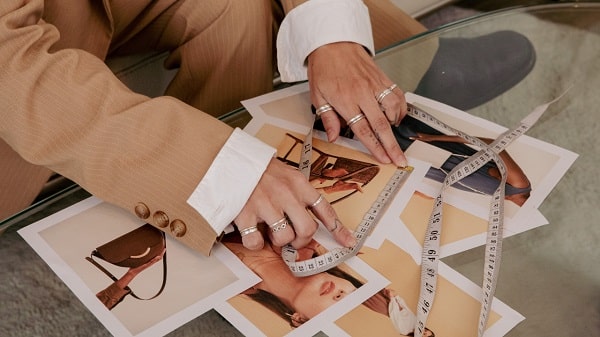
Simplicity and versatility lie at the heart of many enduring fashion trends. Timeless pieces often feature clean lines and understated designs, making them easy to pair with a wide variety of outfits and styles. The little black dress, for example, has been a staple in women’s wardrobes for decades, mainly because it is simple yet elegant and can be accessorized for any occasion. Similarly, a classic white shirt or a well-fitted pair of jeans can work in both casual and formal settings, showcasing how versatility ensures longevity in fashion.
These simple pieces are often neutral in color, which adds to their timelessness. Neutral tones like black, white, beige, and navy can be effortlessly mixed and matched, providing endless outfit options. The beauty of such pieces is that they transcend fleeting fashion fads and adapt to individual tastes. Whether it’s a classic blazer or a minimalist dress, the beauty of simplicity lies in its ability to remain relevant season after season, proving that less really is more when it comes to enduring style.
Craftsmanship and Quality Materials
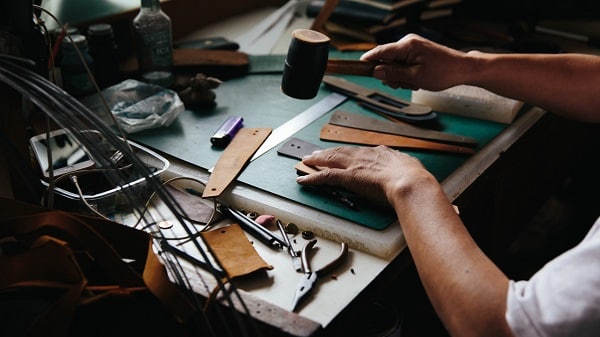
The longevity of timeless fashion also comes down to the materials and craftsmanship that go into creating these iconic items. Fashion pieces made from high-quality fabrics like leather, wool, and silk tend to last longer, both in terms of durability and style. These materials are not only timeless but often improve with age, becoming more beautiful as they develop character over time. A well-made leather jacket, for instance, only looks better as it ages, and its quality is a key factor in its staying power.
Moreover, craftsmanship plays a significant role in the endurance of a piece. High-quality tailoring ensures that garments fit perfectly, which in turn enhances their appeal and versatility. Many timeless pieces are designed to be worn for years, with attention paid to every detail—from stitching to finishing. In a world dominated by fast fashion, investing in quality pieces made from durable materials not only provides value but ensures that these pieces remain in style for generations to come.
The Evolution of Timeless Trends

Fashion is not static, and even timeless trends evolve over time to stay relevant in modern contexts. For example, while tailored suits have long been a symbol of sophistication, their cuts and fits have transformed to reflect contemporary tastes. In the past, suits were stiff and structured, but today’s versions are more relaxed, featuring softer fabrics and looser fits. This evolution ensures that the trend remains stylish without feeling outdated. Such updates keep these classic items in constant demand, allowing them to adapt while still maintaining their original charm.
Moreover, trends often resurface after a period of dormancy, proving that fashion is cyclical in nature. Items like high-waisted jeans, which were once a defining feature of the 80s and 90s, have made a major comeback in recent years, albeit with slight modifications in their fit and style. Designers continuously reinterpret past trends, infusing them with modern twists while keeping the essence intact. This blend of history and innovation is what makes these trends timeless—they manage to maintain their original appeal while seamlessly blending into today’s ever-changing fashion landscape.
The Intersection of Culture and Timeless Fashion
Fashion is deeply intertwined with cultural movements, and this connection helps sustain certain trends over time. Many timeless pieces reflect the changing values and social shifts of their eras, such as the rise of the flapper dress during the Roaring Twenties, which symbolized freedom and rebellion. Similarly, the leather jackets and band tees of the 70s and 80s became associated with punk and youth culture, capturing a generation’s defiance and individuality. These items transcend their initial context, becoming symbols of cultural moments that continue to resonate with people.
In the modern era, the global exchange of cultural influences also plays a role in sustaining timeless trends. Traditional clothing from different parts of the world, such as the kimono or the Indian sari, has seen a resurgence in mainstream fashion. This cross-cultural fusion allows fashion trends to be constantly reinterpreted, reflecting both a respect for history and a desire to innovate. As people continue to embrace these global influences, timeless fashion trends become a bridge between past and present, uniting different cultures under the umbrella of shared style.
Sustainable Fashion and Timelessness
In recent years, sustainability has emerged as a key factor in promoting timeless fashion trends. Consumers are increasingly opting for clothing that is designed to last, both in terms of durability and style. This shift reflects a growing awareness of the environmental and ethical implications of fast fashion. By investing in well-made, classic pieces that can be worn year after year, consumers contribute to a more sustainable fashion ecosystem. The appeal of timeless fashion aligns with the growing trend toward reducing waste and consumption, ensuring that certain items remain stylish for longer.
Sustainable fabrics and ethical manufacturing practices are also playing a major role in the perpetuation of timeless fashion. Materials such as organic cotton, recycled fabrics, and vegan leather are gaining popularity due to their lower environmental impact. Brands that prioritize these materials not only cater to a more eco-conscious audience but also ensure that their clothing stands the test of time in both quality and relevance. As sustainability becomes more integrated into the fashion industry, timeless trends continue to thrive, not just as aesthetic choices but as essential elements of a more responsible fashion future.
Embracing the Timelessness of Fashion
Timeless fashion trends are more than just a reflection of past styles; they represent the enduring appeal of quality, simplicity, and cultural significance. These trends have survived because they adapt to the times while retaining their original charm. Whether it’s the influence of iconic figures, the evolution of trends, or the growing focus on sustainability, these enduring pieces continue to resonate across generations. By investing in classic, high-quality items, anyone can create a wardrobe that transcends fleeting trends, embracing a style that is as relevant today as it was decades ago.