

The interest in herbal teas has surged, not just for their soothing flavors but for the myriad health benefits they bring to the table. These natural remedies have been around for centuries, offering more than just a calming effect. From aiding digestion and boosting the immune system to reducing stress and improving heart health, herbal teas encompass a wide range of benefits. This blog post delves into the specific advantages of several types, each with its unique properties that contribute to overall well-being. The exploration of these teas will reveal surprising health benefits that go beyond mere relaxation.
Chamomile Tea
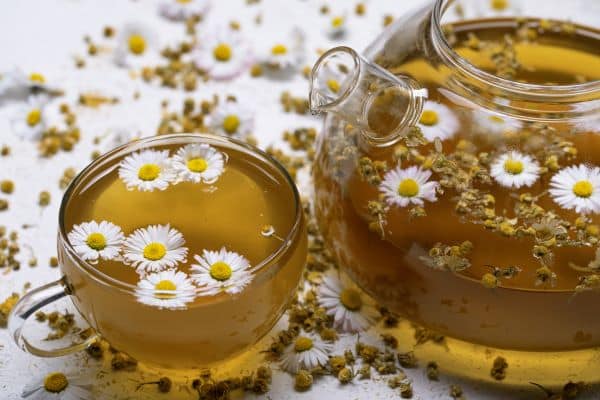
Chamomile tea is renowned for its ability to improve sleep quality and alleviate stress. Studies have shown that chamomile contains apigenin, an antioxidant that binds to certain receptors in the brain, potentially reducing insomnia and promoting sleepiness. This makes it a favored choice for those seeking a natural remedy to enhance their sleep routine. Furthermore, chamomile tea’s calming effect on the mind aids in reducing stress and anxiety, making it an excellent beverage for relaxation after a long day.
The health benefits of chamomile tea extend to the digestive system and the prevention of certain diseases. Its anti-inflammatory and antioxidant properties contribute to soothing the digestive tract, alleviating issues such as indigestion, nausea, and gas. Research suggests that regular consumption of chamomile tea may also play a role in lowering the risk of several diseases, including heart disease and cancer, by combating inflammation and improving immune function.
Ginger Tea

Ginger tea is a powerful ally for digestive health, offering relief from nausea, motion sickness, and indigestion. The active ingredient in ginger, gingerol, is responsible for its potent anti-inflammatory and antioxidant effects. This makes ginger tea an effective natural remedy for soothing the stomach and promoting the healthy movement of food and fluids through the gastrointestinal tract. It’s particularly beneficial for those suffering from motion sickness or morning sickness, providing relief without the side effects of conventional medication.
Beyond digestion, ginger tea is praised for its immune-boosting properties. Regular consumption can enhance the immune response, thanks to its high levels of antioxidants and bioactive compounds. These elements aid in fighting off infections and diseases by neutralizing harmful free radicals and reducing inflammation. Additionally, ginger tea has been found to alleviate pain and stiffness in individuals with osteoarthritis, showcasing its broad spectrum of health benefits.
Peppermint Tea

Peppermint tea serves as a digestive aid, helping to relieve symptoms of Irritable Bowel Syndrome (IBS), including bloating, gas, and abdominal pain. The menthol in peppermint has a soothing effect on the muscles of the digestive tract, which can alleviate discomfort and improve digestion. This makes peppermint tea a preferred option for those looking to naturally manage digestive issues. Furthermore, its refreshing flavor not only pleases the palate but also supports oral health by reducing bad breath.
The benefits of peppermint tea extend to respiratory health, where its menthol component acts as a natural decongestant. It helps to break down mucus and relieve coughs, making it a beneficial drink during cold and flu season. The cooling sensation of menthol also soothes sore throats and acts as an anti-inflammatory agent, providing relief from respiratory conditions. Drinking peppermint tea can be a comforting and effective way to ease respiratory symptoms and enhance overall respiratory function.
Echinacea Tea
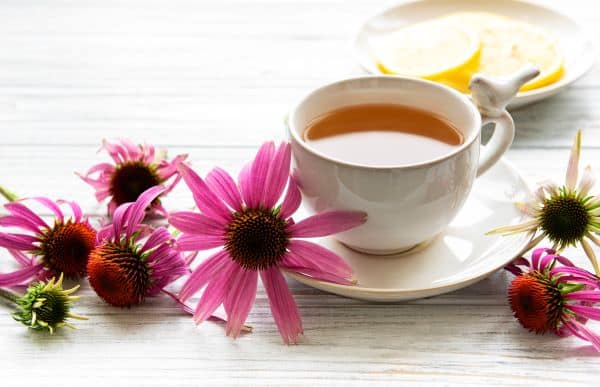
Echinacea tea is widely consumed for its immune-boosting properties. Originating from the echinacea plant, it has been traditionally used to reduce the duration and severity of colds. Research supports the claim that echinacea increases the number of white blood cells, which fight infections, making it a natural aid in bolstering the body’s defenses. Additionally, echinacea tea is believed to enhance the immune system’s ability to fend off pathogens, potentially reducing the frequency of colds and flu.
The benefits of echinacea tea are not limited to immune support. It also shows promise in the realm of wound healing due to its anti-inflammatory properties. By reducing inflammation, echinacea tea can help speed up the healing process of cuts and bruises. Furthermore, some studies suggest that the antioxidant components of echinacea may contribute to overall skin health, making it a beneficial drink for those looking to support skin regeneration and resilience against damage.
Lemon Balm Tea

Lemon balm tea, made from the leaves of the lemon balm plant, offers calming effects on the nervous system. This herbal tea is known for its mild sedative properties, which can help reduce anxiety and promote a sense of calmness. Consuming lemon balm tea has been associated with improved mood and cognitive function, thanks to its ability to increase the availability of neurotransmitters that regulate emotions. Its gentle soothing effect makes it an ideal beverage for those seeking relief from stress and anxiety.
The cognitive benefits of lemon balm tea extend to improving memory and focus. Studies have indicated that lemon balm can enhance cognitive performance, making it a useful aid for tasks requiring concentration and attention. Additionally, there is interest in the potential of lemon balm tea in managing symptoms of Alzheimer’s disease, as it may help to protect brain cells and support cognitive function in older adults. This makes lemon balm tea not only a tool for relaxation but also for cognitive health.
Hibiscus Tea
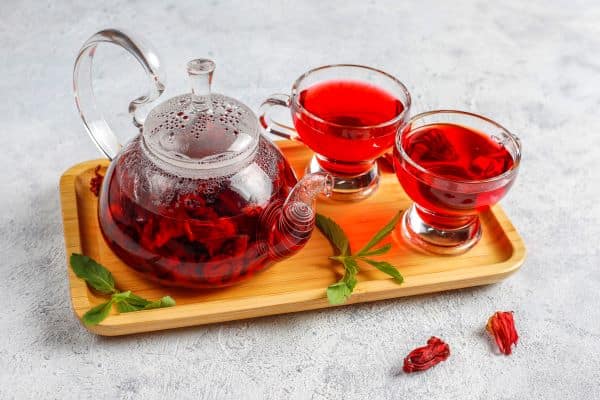
Hibiscus tea, made from the colorful flowers of the hibiscus plant, is not only visually appealing but also rich in antioxidants. These antioxidants help fight free radicals, reducing oxidative stress and protecting against chronic diseases, including heart disease. Hibiscus tea has been shown to have a positive effect on blood pressure and cholesterol levels, contributing to overall heart health. Regular consumption can lead to a decrease in systolic and diastolic blood pressure, making it a natural choice for those looking to maintain or improve cardiovascular health.
In addition to heart health, hibiscus tea may aid in weight management. Its diuretic properties help in flushing out toxins and excess fluids from the body, while also offering a metabolism-boosting effect. Some studies suggest that hibiscus extract can inhibit the absorption of starch and glucose, potentially aiding in weight loss efforts. This, combined with its refreshing taste, makes hibiscus tea a popular choice for those seeking to manage their weight while enjoying a flavorful beverage.
Passionflower Tea

Passionflower tea is derived from the leaves and vines of the passionflower plant and is widely used for its sedative and anxiolytic effects. It is particularly effective in improving sleep quality, making it a valuable natural remedy for insomnia and other sleep disorders. The calming properties of passionflower tea help quiet the mind and prepare the body for rest, facilitating deeper and more restful sleep. Additionally, its use in reducing anxiety is well documented, offering a natural alternative to pharmaceutical anxiolytics for managing daily stress.
Beyond its calming effects, passionflower tea has potential benefits for gastrointestinal health, especially in symptoms related to nervousness. The antispasmodic properties of passionflower can help soothe an upset stomach and reduce cramps, making it beneficial for those with gastrointestinal issues of a nervous origin. Research into the analgesic properties of passionflower also suggests it could be useful in pain management, offering a multifaceted approach to wellness with a single herbal remedy.
The Bottom Line
Herbal teas offer a diverse array of health benefits that extend well beyond their pleasant aromas and tastes. From the calming effects of chamomile and lemon balm to the immune-boosting properties of echinacea, each tea brings its own unique set of advantages. Hibiscus and ginger teas contribute to heart health and digestion, respectively, while peppermint and passionflower provide relief for respiratory issues and anxiety. Incorporating these herbal teas into a daily routine can enhance well-being naturally, offering a simple yet effective way to support both physical and mental health. However, it’s important to consult with a healthcare provider before starting any new health regimen, especially for those with existing health conditions or who are pregnant.