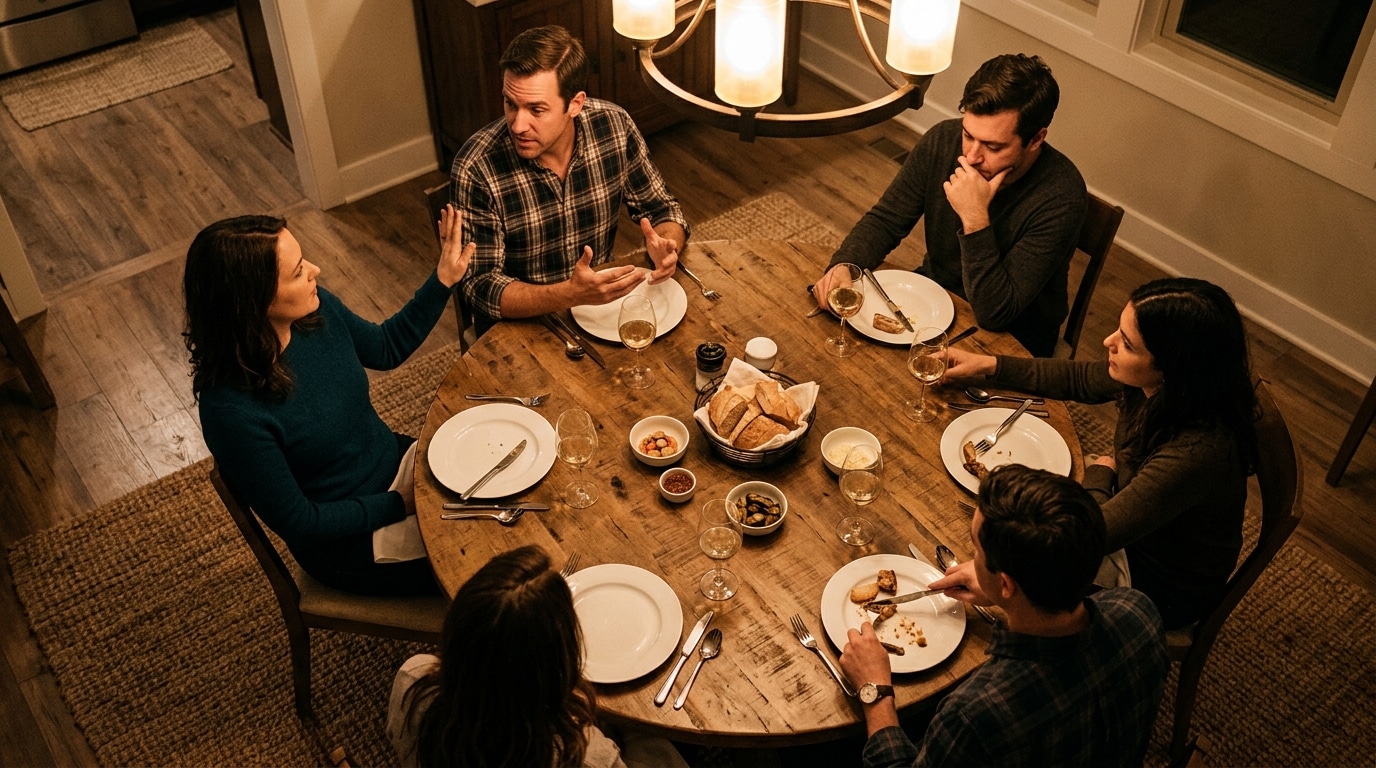

Things People Do in Movie Theaters That Drive Everyone Crazy
From glowing phone screens to loud conversations, a look at the common behaviors that disrupt the cinematic experience for fellow moviegoers.
Going to the movies remains one of the most popular entertainment activities worldwide, offering audiences the chance to escape into stories on a massive screen with immersive sound. Yet the shared nature of this experience means that annoying movie theater behaviors can quickly transform an exciting outing into an exercise in frustration. From phones that illuminate the darkness to conversations that compete with the dialogue, certain habits have become universally recognized irritants that drive everyone crazy and diminish the communal magic of cinema.
The Constant Glow of Phone Screens During Films
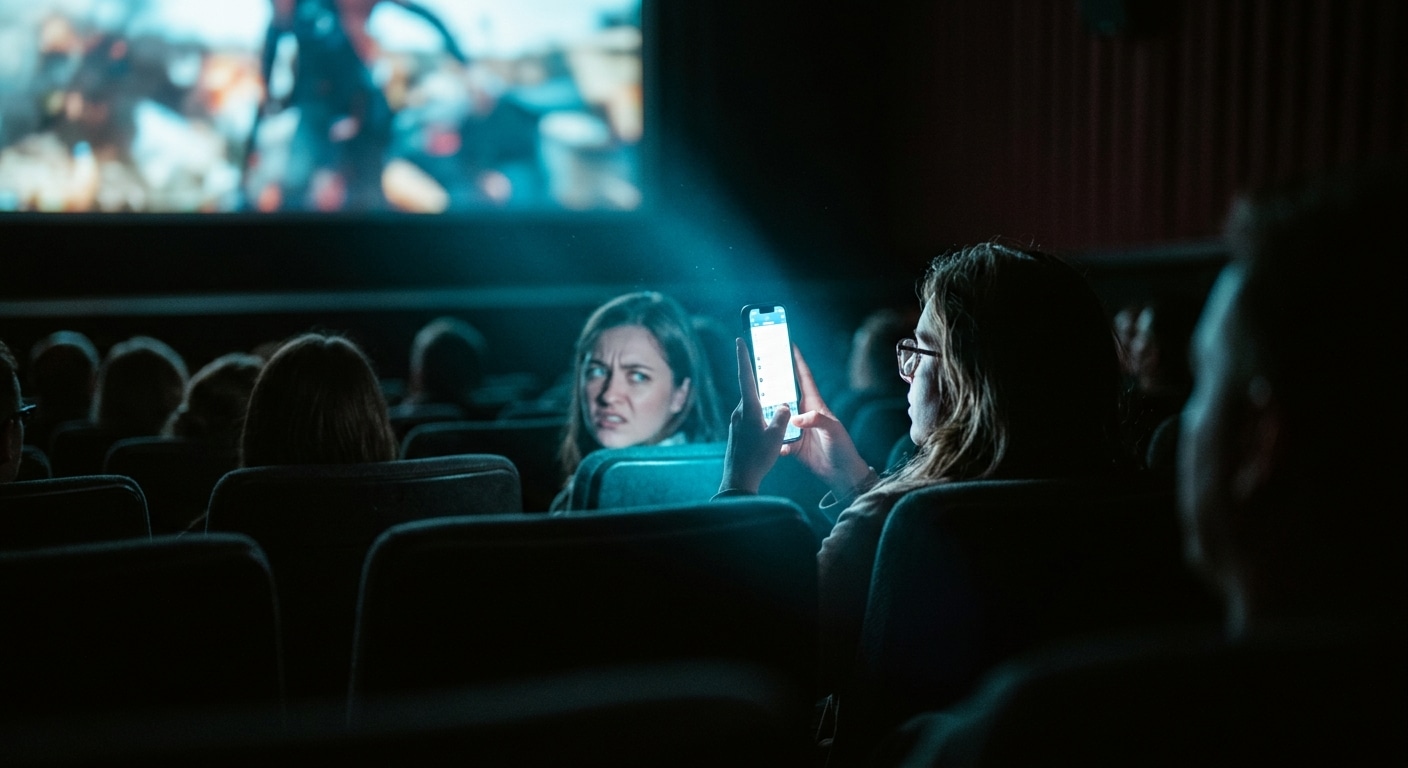
Perhaps no single behavior generates more collective frustration than the sight of a smartphone screen lighting up in a darkened theater. The human eye is naturally drawn to sources of light, which means that even a quick glance at a text message can pull dozens of viewers out of their immersion. What the phone user might consider a brief check becomes a beacon of distraction for everyone seated nearby and often those several rows away as well.
The issue extends beyond simple brightness. The act of scrolling through social media, responding to messages, or checking notifications suggests to fellow audience members that the person considers their digital interactions more important than the shared experience. Major theater chains have implemented pre-show reminders asking patrons to silence and stow their devices, yet compliance remains inconsistent. The problem has become significant enough that some theaters have experimented with phone-locking pouches, though these remain uncommon in mainstream cinemas.
Talking and Commentary Throughout the Screening
The expectation of silence during a film is one of the most fundamental aspects of theater etiquette, yet some moviegoers seem unable or unwilling to refrain from conversation. This ranges from whispered comments to full-volume discussions about the plot, predictions about what will happen next, or entirely unrelated personal matters. Each interruption forces nearby viewers to process competing audio, making it difficult to follow dialogue or appreciate quieter moments in the film.
The challenge becomes particularly acute during tense or emotional scenes where audience silence contributes to the atmosphere. A whispered joke during a dramatic reveal or a loud reaction before other viewers have processed what happened can fundamentally alter the experience. While brief, quiet exchanges between companions are generally tolerated, sustained conversation represents a clear violation of the social contract that governs shared viewing spaces.
Noisy Snacking and Food Wrapper Disruptions
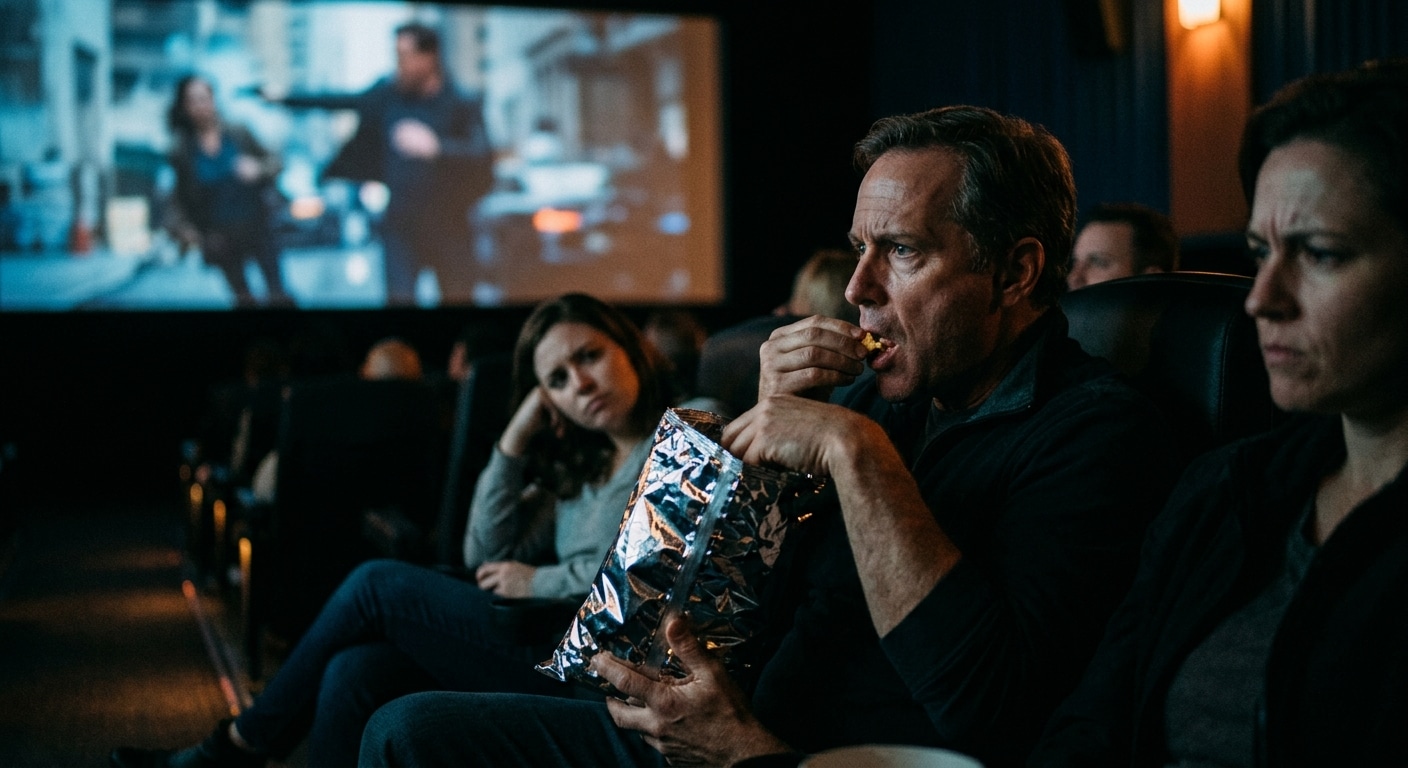
Concessions represent a significant revenue stream for movie theaters, and snacking during films has become an expected part of the experience. However, the manner in which some patrons consume their purchases can create substantial disturbances. The crinkling of candy wrappers, the loud crunching of popcorn, and the slurping of drinks through straws produce sounds that cut through even action-heavy soundtracks.
The timing of these noises often compounds their disruptive nature. Some viewers seem to choose the quietest moments of dialogue or the most delicate scenes to wrestle with packaging or dig through nearly empty containers. While theaters could theoretically offer quieter packaging options, the economic realities of concession operations make this unlikely to change. The responsibility therefore falls on individual patrons to consume with some awareness of the sounds they generate.
Seat Kicking and Armrest Disputes
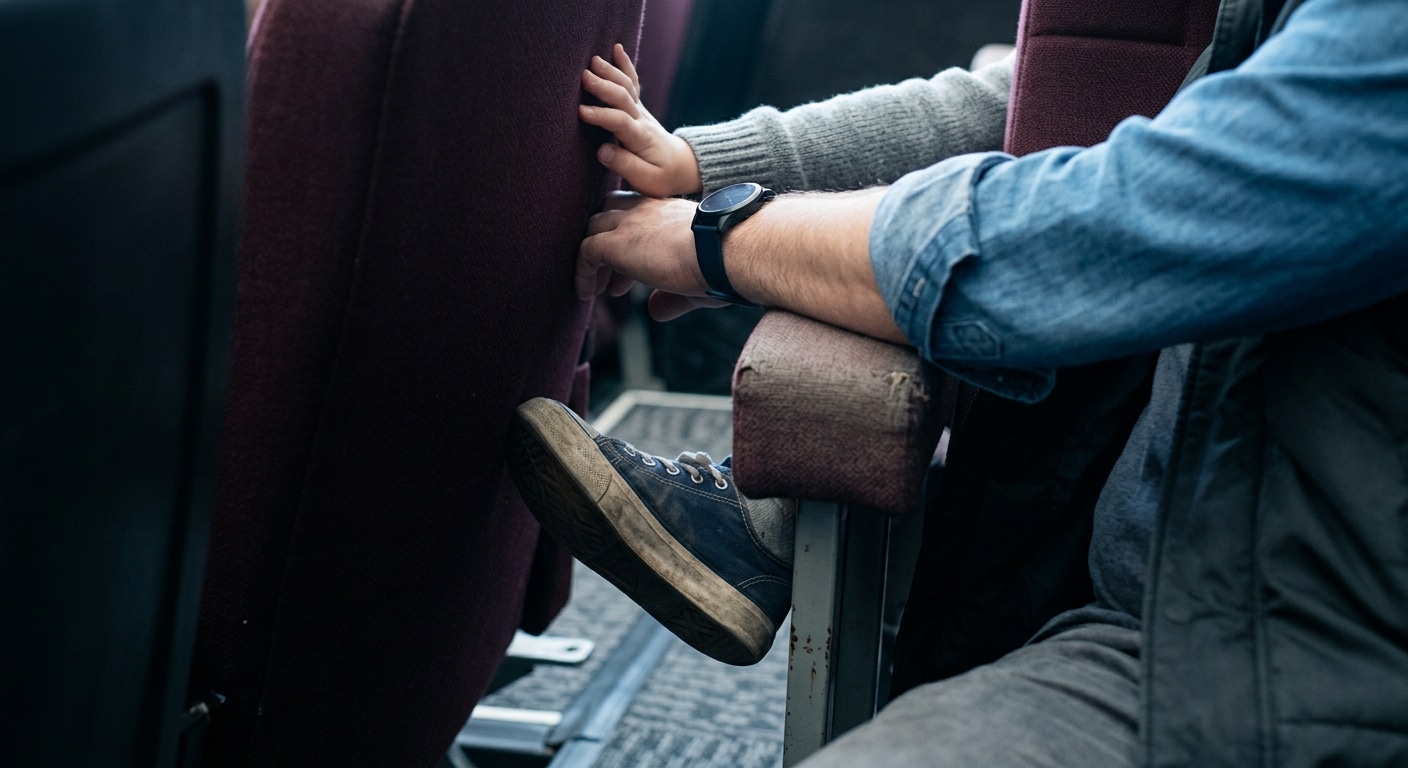
Beyond auditory and visual intrusions, physical disturbances represent another category of theater irritants. The sensation of someone repeatedly kicking or pushing the back of your seat makes it nearly impossible to focus on the screen. This behavior is often unintentional, stemming from restlessness or careless leg positioning, but the impact on the person in front remains the same regardless of intent.
Armrest territory represents another source of tension in theater seating. Standard theater design typically provides one armrest between each pair of seats without clear designation of ownership. This ambiguity can lead to passive-aggressive positioning battles or uncomfortable physical contact with strangers. Newer premium theater formats with wider seats and dedicated armrests have addressed this issue, though such seating typically comes at a higher price point.
Late Arrivals and Frequent Bathroom Trips
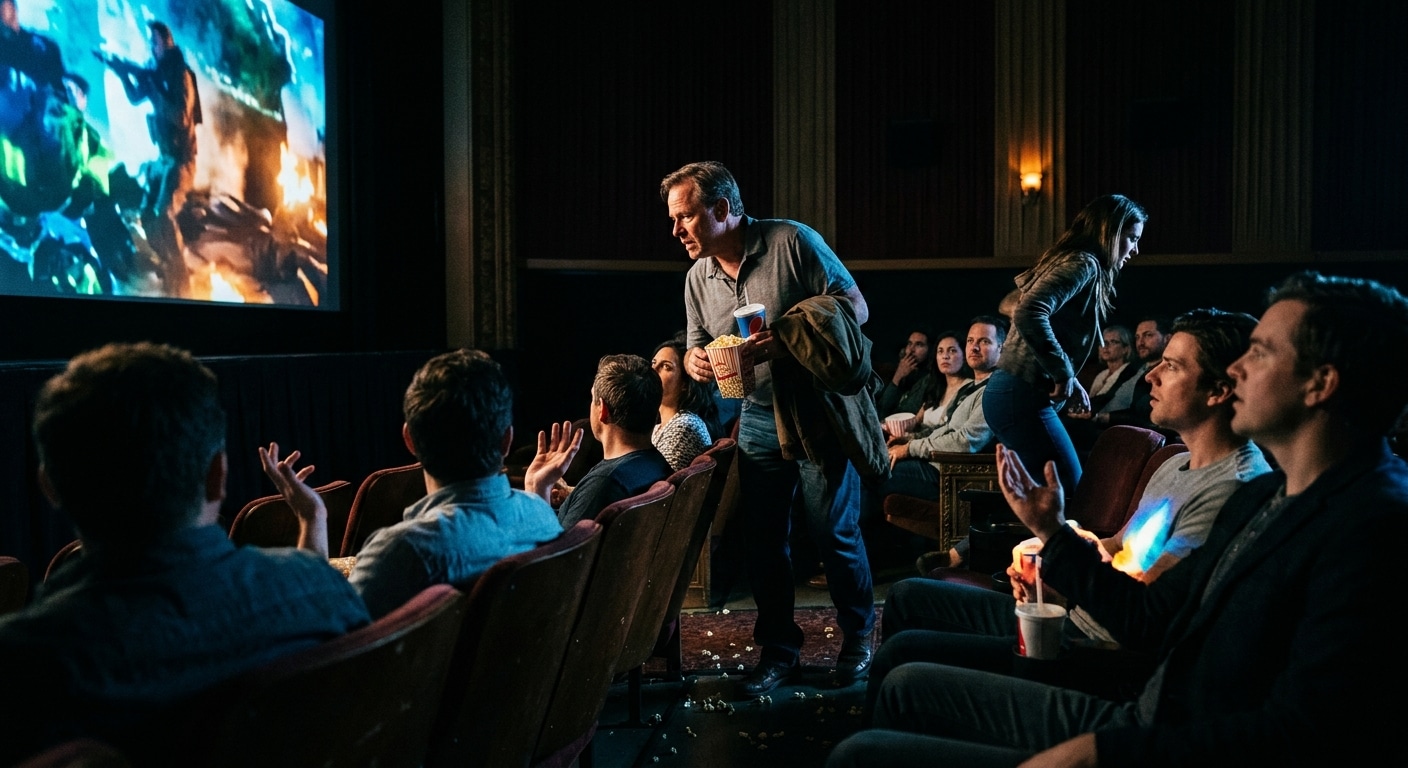
Entering the theater after the film has begun creates unavoidable disruption, particularly when assigned seating requires the latecomer to navigate past already-seated patrons in darkness. The shuffling, the requests to move legs, and the silhouettes crossing in front of the screen momentarily break the experience for everyone in the affected row. While unexpected circumstances can delay anyone, habitual tardiness suggests a lack of consideration for the experience of others.
Similarly, frequent exits during the film require disturbing other viewers each time. While medical conditions and genuine emergencies obviously warrant accommodation, purchasing large beverages and then making multiple bathroom trips throughout the screening imposes costs on neighboring patrons. Some newer theaters have addressed this by widening aisles and providing more accessible seating configurations, but the fundamental trade-off between personal convenience and collective experience remains.
Spoiling Plot Points and Inappropriate Reactions
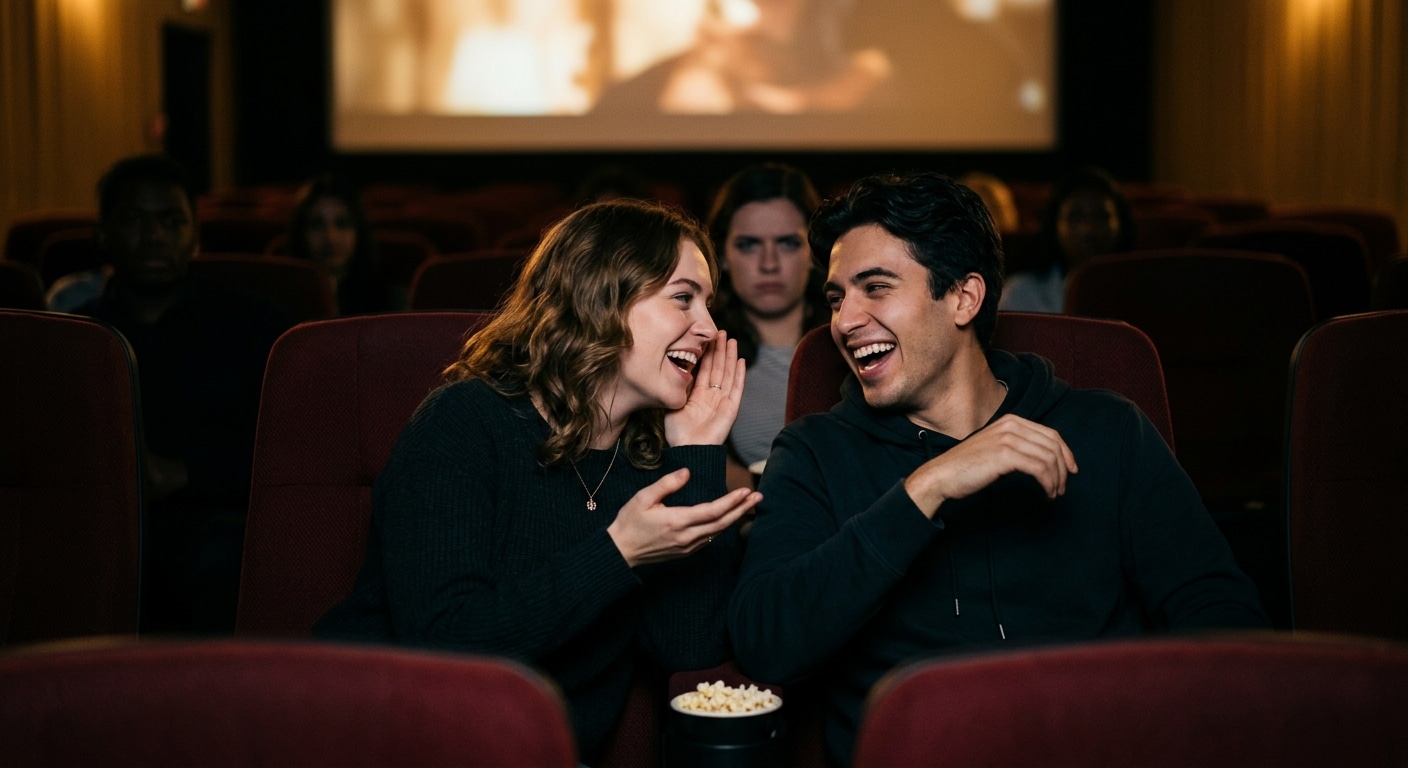
For viewers watching a film for the second or third time, the temptation to demonstrate their knowledge can override their judgment about what constitutes appropriate theater behavior. Announcing plot twists before they occur, laughing at emotional moments that haven’t yet resonated for first-time viewers, or making comments that reveal future developments all undermine the experience for those encountering the story fresh.
Inappropriate reactions also extend to behaviors that don’t match the tone of the film being shown. Loud laughing during serious dramas, mocking dialogue delivery, or performing exaggerated reactions for the amusement of companions can create an atmosphere of disrespect that affects everyone’s ability to engage with the material. The collective energy of an audience can enhance a viewing experience, but it can also detract when individual behavior works against the intended emotional current of the film.
Making the Cinema Experience Better for Everyone
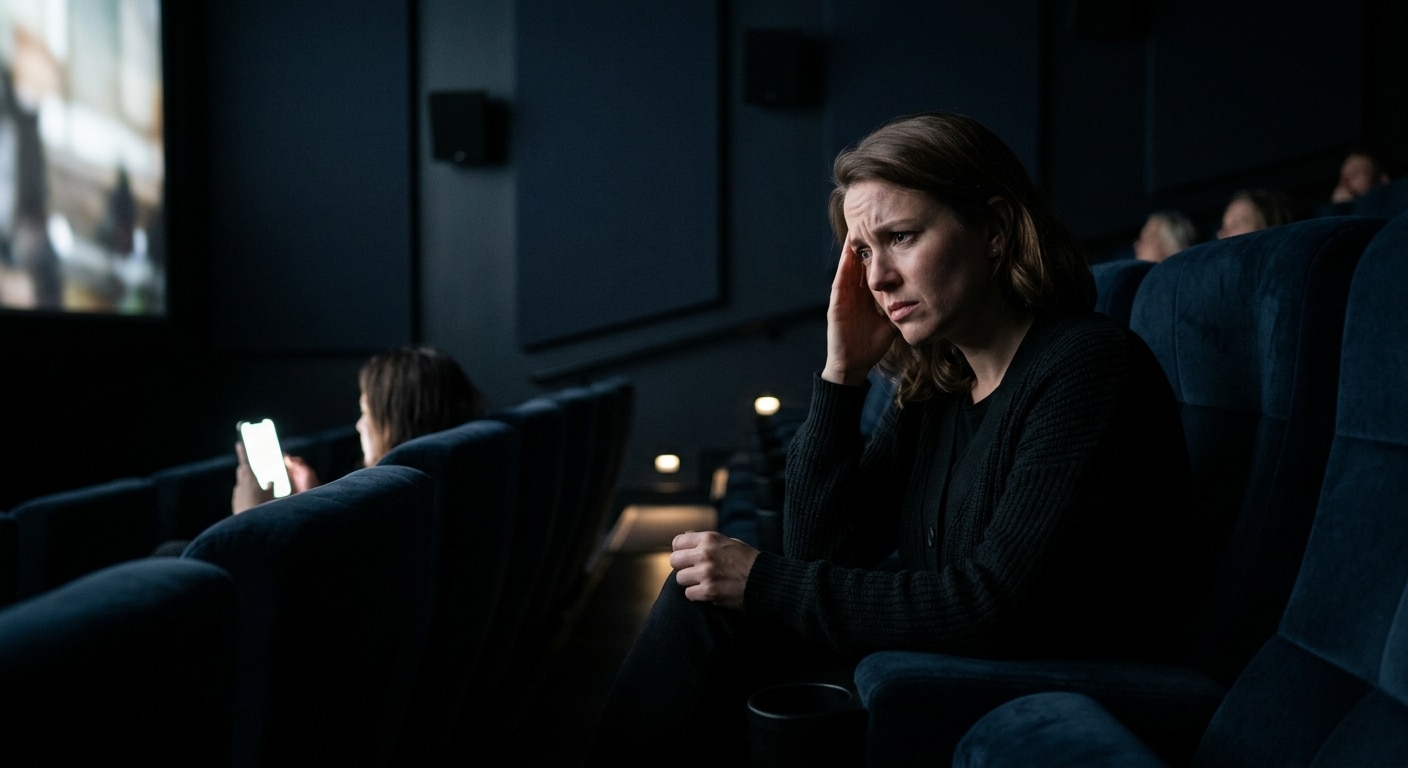
The behaviors that frustrate moviegoers are neither new nor particularly complex, which makes their persistence all the more notable. The solutions are straightforward in principle: silence phones and keep them away, remain quiet during the film, consume snacks with awareness, stay still in your seat, and remember that your experience exists alongside those of every other person in the theater. As home viewing options continue to improve in quality and convenience, the future of theatrical exhibition may well depend on the industry’s ability to guarantee an experience worth the premium price and effort of attendance. That guarantee ultimately rests on the collective willingness of audiences to treat the darkened theater as the shared public space it has always been, where individual restraint enables communal enjoyment.