

Protein powder has become the go-to supplement for fitness enthusiasts and health-conscious individuals alike. The market is booming, with a plethora of options promising to help you build muscle, lose weight, and optimize your nutrition. But have you ever stopped to consider what’s actually in that scoop of protein? While you’re focused on gains and wellness, some ingredients lurking in your protein powder could be doing more harm than good. This article is here to expose these potentially harmful ingredients. By the end, you’ll be empowered to make more informed choices the next time you shop for protein powder.
The Protein Powder Boom

The fitness industry has seen an exponential rise in the popularity of protein supplements. From gym-goers to athletes, everyone seems to be gulping down protein shakes as if it’s the elixir of life. The market is flooded with a variety of brands, each claiming to offer the best protein for your needs. With such a surge, it’s easy to assume that protein powders are a one-size-fits-all solution to nutritional gaps and muscle building.
However, the protein powder landscape is not as straightforward as it seems. While the industry is worth billions, not all products are created equal. Some are high-quality, offering clean and effective protein, but others may contain ingredients that could be detrimental to your health. This raises the question: How can you sift through the noise and find a product that is both effective and safe?
The Importance Of Clean Protein
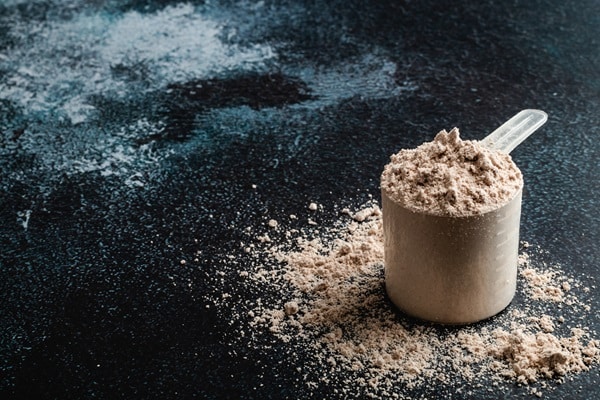
You might have heard the term “clean protein” thrown around in health circles. But what does it actually mean? In essence, clean protein refers to protein that is free from harmful additives, fillers, and artificial substances. It’s the kind of protein that your body can easily absorb and utilize, contributing to muscle growth, tissue repair, and overall well-being.
The stakes are high when it comes to choosing the right protein powder. Protein plays a crucial role in various bodily functions beyond just muscle building. It’s involved in the creation of hormones, enzymes, and other biochemical substances that keep you running smoothly. Therefore, it’s not just about finding any protein; it’s about finding the right, clean protein. This raises the crux of the matter: What should you be cautious of when picking out your next tub of protein powder?
Artificial Sweeteners And Sugar Alcohols
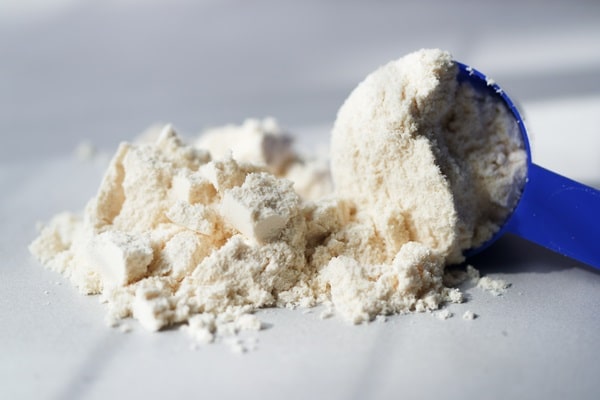
One of the first things you’ll notice when you taste protein powder is its sweetness. That sweetness often comes from artificial sweeteners like aspartame or sucralose. While these substances make your shake palatable, they can also pose health risks. Studies have linked artificial sweeteners to a range of issues, from digestive problems to more severe concerns like potential carcinogenic effects.
Sugar alcohols like xylitol and erythritol are another common addition to protein powders. While they are generally considered safer than artificial sweeteners, they are not without their drawbacks. Consuming large amounts can lead to digestive issues such as bloating, gas, and diarrhea. So, the next time you’re enticed by a “sugar-free” label, think twice about what’s actually making that powder sweet.
Fillers And Thickeners
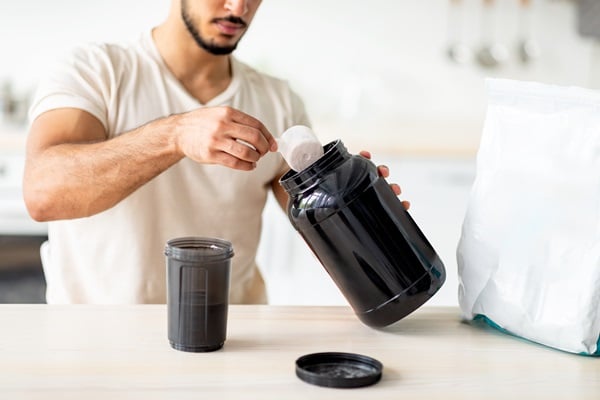
A quick glance at the ingredients list of many protein powders will reveal substances like maltodextrin, cellulose gum, or xanthan gum. These are fillers and thickeners used to improve the texture and shelf-life of the product. While they may seem harmless, these additives can interfere with nutrient absorption and may even trigger allergic reactions in some people.
Moreover, the use of fillers and thickeners often indicates that the product is not pure protein. These additives dilute the protein content, meaning you’re getting less of what you actually need for muscle growth and recovery. It’s a classic case of quantity over quality, where the bulk of what you’re consuming isn’t necessarily benefiting your health. Therefore, scrutinizing the ingredients list for fillers and thickeners can save you from unwanted health issues down the line.
Heavy Metals

When you think of protein powder, heavy metals like lead, arsenic, and cadmium are probably the last things that come to mind. However, some protein powders have been found to contain these dangerous substances. Heavy metals can accumulate in your body over time, leading to a range of health issues, including neurological problems and an increased risk of certain cancers.
The source of these heavy metals can often be traced back to the soil where the ingredients were grown or the manufacturing processes used. While some levels of heavy metals can be naturally occurring, elevated levels are a cause for concern. Therefore, it’s crucial to opt for protein powders that have been third-party tested for heavy metal content. This ensures that you’re not inadvertently harming your health in your quest for better nutrition.
Hormone-Disrupting Compounds

You might be surprised to learn that the container holding your protein powder could be a source of harmful substances. Compounds like BPA and phthalates, commonly found in plastic packaging, are known endocrine disruptors. This means they can interfere with your hormonal system, potentially leading to fertility issues and other health problems.
It’s not just the packaging you need to be wary of; these compounds can also be found in the protein powder itself. They can leach into the powder during the manufacturing process, posing an invisible threat to your health. To minimize this risk, look for protein powders that are packaged in BPA-free containers and have been tested for endocrine-disrupting compounds.
Allergens And Cross-Contaminants
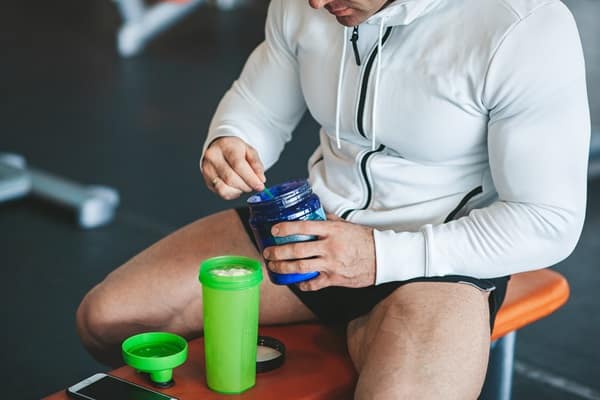
Allergies are a significant concern when it comes to protein powders. Common allergens like soy, dairy, and gluten are often present, either as primary ingredients or as cross-contaminants. For those with allergies or sensitivities, consuming such products can lead to a range of symptoms, from mild discomfort to severe allergic reactions.
It’s not just those with known allergies who should be cautious. Even if you don’t have a diagnosed allergy, long-term exposure to potential allergens could lead to sensitivities over time. Always check the label for allergen information and consider opting for hypoallergenic options, especially if you consume protein powder regularly.
The “Natural Flavors” Loophole
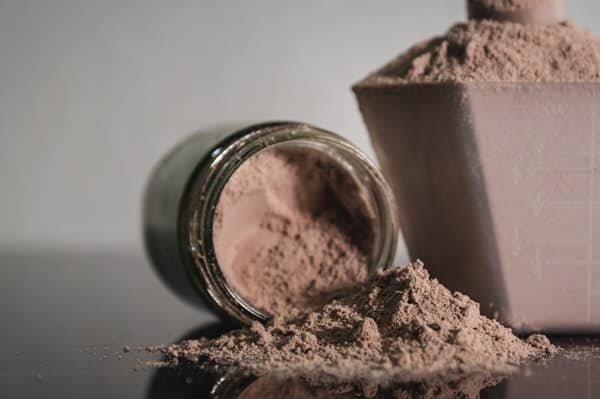
The term “natural flavors” sounds harmless enough, but it’s a term that can be quite misleading. According to FDA guidelines, natural flavors can include a wide range of substances, many of which are far from what you’d consider “natural.” This loophole allows manufacturers to add various chemicals to enhance flavor without disclosing them individually on the label.
The ambiguity surrounding natural flavors is concerning because you don’t really know what you’re ingesting. These undisclosed ingredients could potentially have adverse health effects or interact with medications you may be taking. The best course of action is to opt for protein powders that are transparent about their ingredients. If a product uses natural flavors, the company should be willing to disclose what those are upon request.
The Hidden Costs Of Proprietary Blends
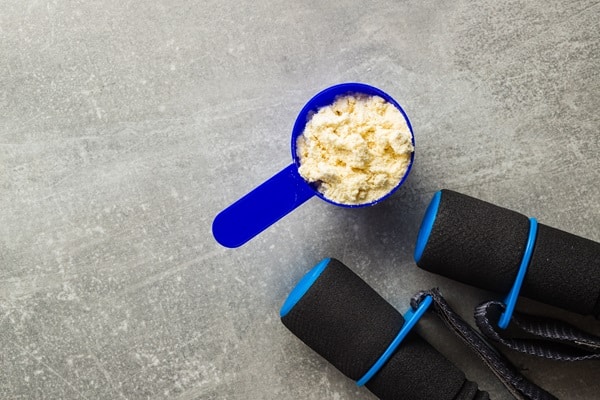
Proprietary blends are a common feature in many protein powders, often marketed as a unique formula that gives the product a competitive edge. However, these blends can be a way for manufacturers to hide the exact amounts of each ingredient used. This lack of transparency makes it difficult to assess the quality and safety of the product.
Not knowing the precise composition of these blends can be risky. For instance, a proprietary blend could contain minimal amounts of beneficial ingredients and be loaded with cheap fillers or potentially harmful additives. Always be cautious when you see the term “proprietary blend” on the label, and consider opting for products that disclose all ingredient amounts.
Make Your Next Scoop A Safe One!
Navigating the maze of protein powder options doesn’t have to be a daunting task. Armed with the knowledge of what to look out for, you can make choices that align with your health goals. The key takeaway is simple: transparency matters. Opt for products that are upfront about their ingredients and have undergone third-party testing. By doing so, you’re not just investing in a product; you’re investing in your long-term well-being.