

Allergies, a common yet often underestimated health concern, affect a significant portion of the population worldwide. In various forms, from mild to severe, allergies can drastically impact an individual’s daily life and well-being. This article delves into practical and effective ways to manage allergies, offering insights and guidance to navigate their daily challenges. The aim is to empower those with allergies to lead healthier, more comfortable lives through informed decisions and tailored strategies.
Understanding Your Allergies
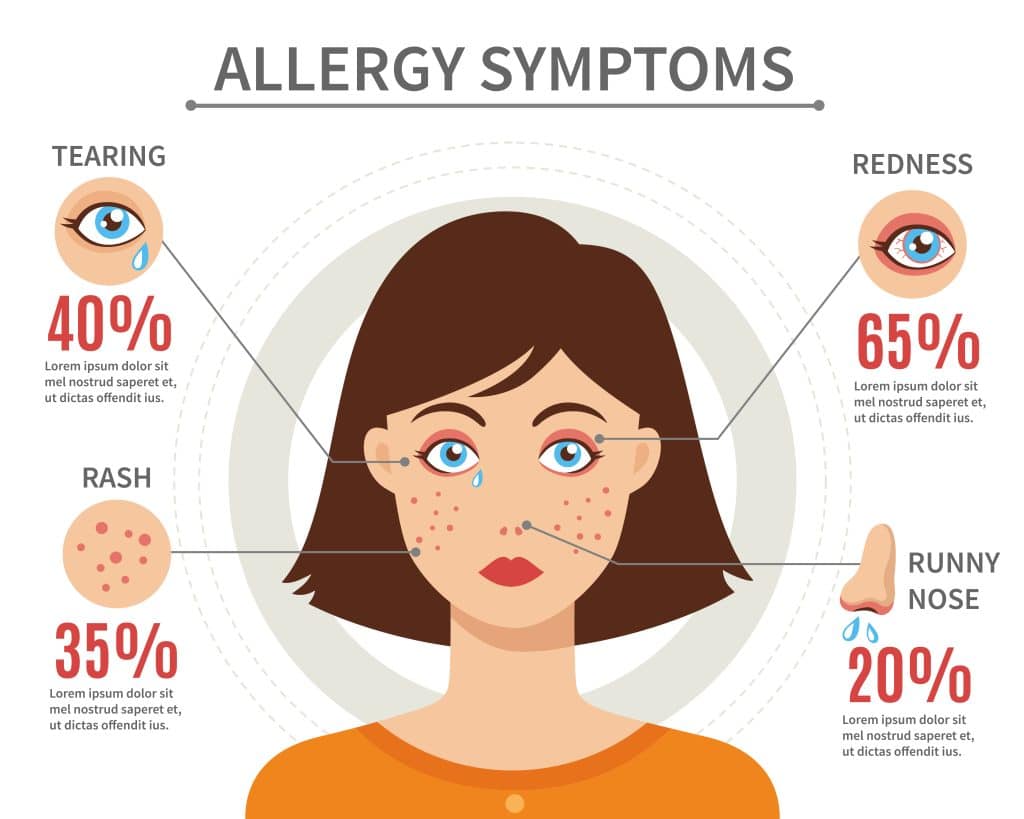
Allergies arise when the immune system reacts to harmless substances as if they were threats. Individuals must understand what triggers their allergic reactions. This often involves recognizing symptoms, including sneezing, itching, or more severe reactions like anaphylaxis. Knowledge about one’s specific allergies is the first step towards effective management. It involves consulting healthcare professionals for allergy testing and keeping a detailed record of reactions to identify potential triggers.
Understanding allergies also means staying informed about common and seasonal allergens. Pollen, dust mites, pet dander, and certain foods are typical culprits. Individuals can better prepare and protect themselves by being aware of the allergens prevalent in different environments and seasons. For instance, during high pollen seasons, limiting outdoor activities and keeping windows closed to reduce exposure might be advisable.
Creating an Allergy-Safe Environment

Creating an allergy-safe environment is pivotal in managing allergies. This starts at home, where small changes can make a significant difference. Using hypoallergenic bedding, regularly cleaning to reduce dust and pet dander, and using air purifiers can help minimize exposure to allergens. It’s also important to consider humidity levels, as high and low humidity can exacerbate certain allergies.
In the workplace, individuals can minimize allergen exposure by keeping their immediate area clean, using desktop air purifiers, and advocating for allergy-friendly policies, such as fragrance-free environments. For individuals with severe allergies, it might be necessary to discuss specific needs with employers, like allergen-free zones or flexible work arrangements during high-risk seasons.
Managing Diet and Nutrition

Diet plays a crucial role in managing allergies, especially for those with food allergies. Avoiding known allergens is paramount. This requires meticulous label reading and being vigilant about cross-contamination. Individuals should educate themselves about ingredients that might not be linked to their allergens, as food labeling can sometimes be misleading or incomplete.
Eating a balanced diet is also essential for maintaining overall health and potentially reducing allergy symptoms. This includes consuming various fruits, vegetables, lean proteins, and whole grains. Some studies suggest that certain foods, like those rich in omega-3 fatty acids, may help reduce allergic reactions. However, individuals must consult with a healthcare provider or nutritionist to develop a diet plan that suits their needs and allergies.
Personal Habits and Allergy Management

Personal habits play a significant role in managing allergies. Regular cleaning is vital to reduce allergens in living spaces. This includes vacuuming with HEPA filters, washing bedding in hot water weekly, and decluttering spaces to reduce dust accumulation; for individuals with pet allergies, establish pet-free zones, particularly in bedrooms, and groom pets regularly to reduce dander.
Choosing personal care products wisely is also important. Fragrances, certain chemicals, and dyes in products like shampoos, soaps, and laundry detergents can trigger allergies. Opting for hypoallergenic and fragrance-free products can help in reducing such reactions. Additionally, habits like smoking can exacerbate allergy symptoms, so avoiding tobacco and reducing exposure to smoke is beneficial for allergy management.
Medical Management of Allergies

Medical management is a critical aspect of living with allergies. Over-the-counter and prescription medications like antihistamines, decongestants, and nasal sprays can relieve allergy symptoms. Individuals need to consult with healthcare professionals to find the most effective medication for their allergy profile and understand proper usage.
For long-term management, allergen immunotherapy, commonly known as allergy shots, may be recommended. This treatment gradually desensitizes the immune system to specific allergens, potentially reducing the severity of reactions over time. Regular check-ups with an allergist or healthcare provider are essential to monitor the progress and adjust treatment plans as necessary.
Stress Management and Allergies

Managing stress is an often overlooked aspect of allergy control. Stress can weaken the immune system and exacerbate allergy symptoms. Therefore, incorporating stress-reducing activities like yoga, meditation, or regular exercise can be beneficial. These practices not only help in managing stress but also improve overall health and well-being.
It’s also important to establish a supportive network. Allergy sufferers can benefit from discussing their experiences and coping strategies with others who understand their challenges. Whether in person or online, joining support groups can provide valuable tips and emotional support.
Cultivating a Positive Mindset

Maintaining a positive mindset is crucial in managing chronic conditions like allergies. It involves focusing on what can be controlled and finding effective ways to adapt to limitations. Celebrating small victories, like a successful strategy to avoid allergens or a day free from symptoms, can foster a sense of accomplishment and positivity.
Education and awareness are key components of cultivating a positive mindset. Understanding the condition, staying informed about new treatments and management strategies, and educating those around them about allergies can empower individuals and reduce feelings of helplessness or frustration.
Building a Support Network

A strong support network is invaluable for individuals living with allergies. This includes family, friends, healthcare providers, and support groups. Open communication about allergy needs and challenges helps in creating an understanding environment. Family and friends can significantly provide emotional support and practical help, like identifying safe foods or allergen-free environments.
Healthcare providers are crucial members of the support network. Regular consultations and clear communication about symptoms, treatment effectiveness, and lifestyle changes are essential for effective allergy management.
Staying Informed and Adaptable

Staying informed about allergies is an ongoing process. This includes keeping up with the latest research, treatment options, and management strategies. Adaptability is important, as allergies can change over time, and what works today may not be effective tomorrow.
Technology can be a useful tool in staying informed and managing allergies. Apps for tracking symptoms, alerting about high pollen counts, or providing information about allergen-free products can be extremely helpful. Regularly reviewing and adjusting management strategies in consultation with healthcare professionals ensures that individuals use the most effective approaches for their current situation.
The Bottom Line
Living with allergies presents daily challenges, but these can be effectively managed with the right strategies and mindset. Key components include understanding personal triggers, creating safe environments, managing diet and habits, and seeking medical advice. Stress management, maintaining a positive outlook, building a strong support network, and staying informed and adaptable are equally important. With these approaches, individuals can lead healthier, more fulfilling lives despite the challenges posed by allergies. This journey is about managing symptoms and embracing a lifestyle that prioritizes well-being and resilience.