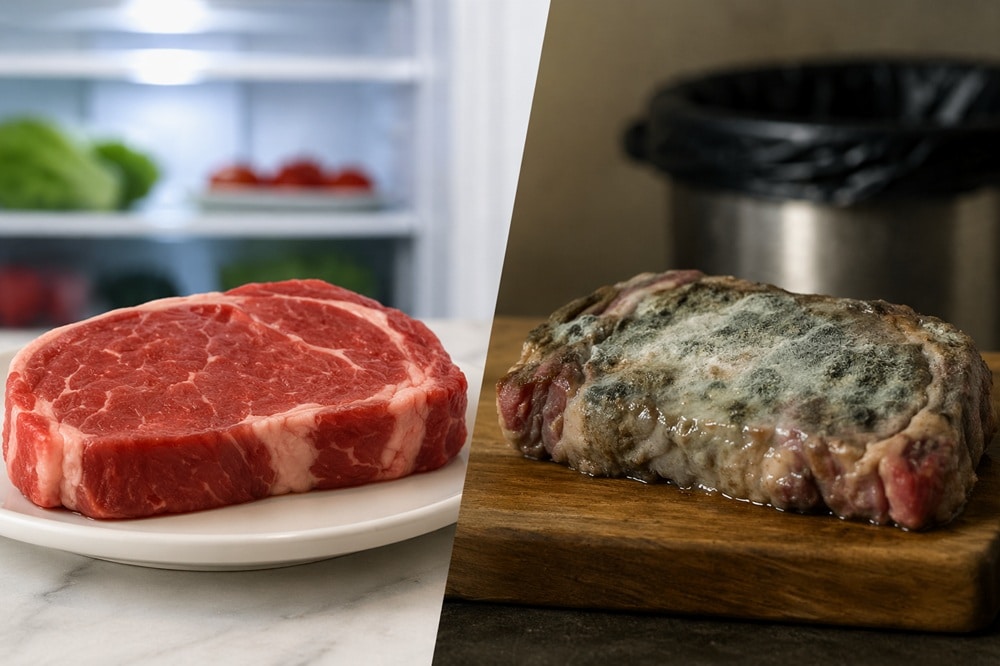
The liver plays a central role in maintaining overall health by filtering toxins, processing nutrients, and supporting metabolic functions that keep the body running efficiently. Because it handles so many critical tasks, it is particularly sensitive to long-term dietary habits. While many people associate liver damage with alcohol, everyday foods can also contribute to gradual strain without immediate symptoms. Certain ingredients, especially when consumed frequently, can lead to fat buildup, inflammation, and reduced function over time. Understanding which common foods may negatively impact the liver is essential for making informed choices that support long-term health and prevent avoidable damage.
Sugary Beverages and Added Sugars
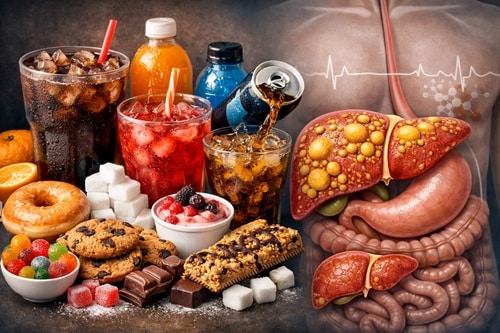
Sugary beverages such as soda, fruit drinks, and energy drinks are among the most significant sources of added sugar in modern diets. Many of these drinks contain high levels of fructose, a type of sugar that is processed almost entirely by the liver. Unlike glucose, which is used by various cells throughout the body, fructose is more likely to be converted into fat when consumed in excess. Over time, this process can lead to fat accumulation in liver cells, increasing the risk of developing nonalcoholic fatty liver disease. Because these drinks are often consumed quickly and in large quantities, the liver can become overwhelmed by repeated spikes in sugar intake.
In addition to beverages, added sugars are commonly found in desserts, packaged snacks, and even foods marketed as healthy, such as flavored yogurt or granola bars. Frequent consumption of these products can contribute to insulin resistance, a condition that forces the liver to work harder to regulate blood sugar levels. As insulin resistance develops, the liver may store more fat, further increasing the risk of long-term damage. This pattern often occurs without obvious symptoms, making it easy to overlook until more serious issues arise. Reducing intake of added sugars can help ease the burden on the liver and support healthier metabolic function.
Processed Meats and High Sodium Foods
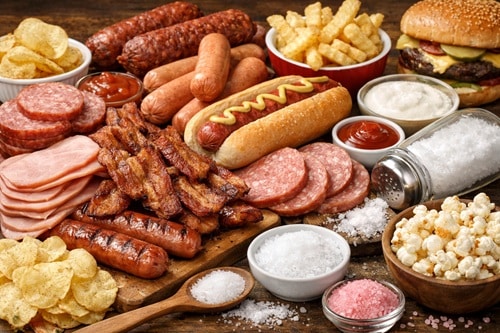
Processed meats such as bacon, sausages, hot dogs, and deli meats are widely consumed due to their convenience and flavor, but they often contain high levels of sodium and preservatives. Excessive sodium intake can lead to fluid retention and increased pressure within the body, which may place additional strain on the liver over time. These foods are also frequently preserved using nitrates and nitrites, compounds that can contribute to oxidative stress when consumed regularly. While the liver is equipped to process these substances, consistent exposure may reduce its efficiency and increase the risk of long-term complications.
Beyond processed meats, many packaged and fast foods also contain high levels of salt, making it easy to exceed recommended daily intake without realizing it. This cumulative effect can interfere with the body’s ability to maintain proper fluid balance and may worsen existing liver conditions. Diets high in sodium have also been associated with inflammation, which can further impair liver function. Because these foods are often part of everyday meals, their impact can build gradually rather than appearing suddenly. Limiting processed and high-sodium foods can help reduce unnecessary stress on the liver and support better overall health.
Fried Foods and Trans Fats
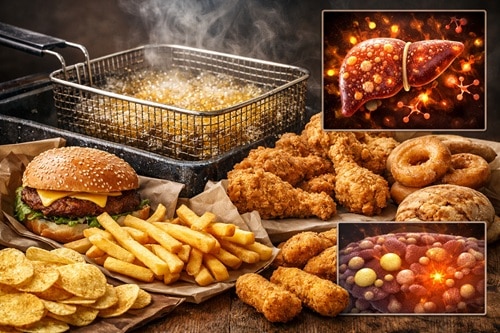
Fried foods, including fast food items, chips, and certain baked goods, are typically high in unhealthy fats such as trans fats and saturated fats. These fats are more difficult for the body to process and can contribute to fat accumulation in the liver when consumed frequently. The cooking methods used to prepare fried foods often involve high temperatures and repeated use of oil, which can degrade the quality of fats and introduce harmful compounds. Over time, this combination can increase the risk of liver inflammation and reduce the organ’s ability to function efficiently.
Regular consumption of fried foods has also been linked to increased levels of oxidative stress, a condition in which harmful molecules damage cells, including those in the liver. This damage can interfere with the liver’s ability to filter toxins and regulate essential processes. As fat builds up and inflammation increases, the risk of developing more serious liver conditions may also rise. Because fried foods are widely available and often consumed as part of convenience meals, their impact can accumulate gradually. Choosing alternative cooking methods, such as baking or grilling, can help reduce exposure to unhealthy fats and support liver health over time.
Alcohol and Hidden Alcohol Sources

Alcohol is processed primarily in the liver, making it one of the most direct contributors to liver strain when consumed in excess. As the liver breaks down alcohol, it produces toxic byproducts that can damage liver cells and interfere with normal function. Over time, repeated exposure can lead to fat accumulation, inflammation, and scarring. Even moderate consumption on a consistent basis may gradually impact liver health, particularly when combined with other dietary and lifestyle factors. Because the liver prioritizes metabolizing alcohol over other nutrients, its ability to perform essential functions can become compromised.
In addition to obvious sources like beer, wine, and spirits, alcohol can also be present in certain foods and products, such as desserts made with liqueurs or sauces prepared with wine. While these sources may contain smaller amounts, frequent consumption can still contribute to overall intake. Long-term exposure to alcohol is associated with conditions such as alcoholic fatty liver disease, hepatitis, and cirrhosis. These conditions often develop gradually, with few noticeable symptoms in the early stages. Monitoring alcohol consumption and being aware of hidden sources can help reduce unnecessary strain on the liver.
Refined Carbohydrates and White Flour Products
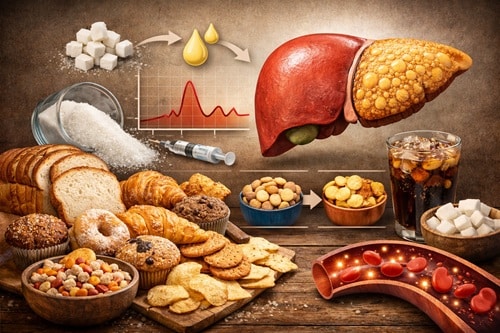
Refined carbohydrates, including white bread, pastries, and many processed snack foods, are quickly broken down into sugar during digestion. This rapid conversion leads to spikes in blood sugar levels, prompting the body to release insulin to manage the increase. When this pattern occurs frequently, the liver may begin converting excess sugar into fat for storage. Over time, this process can contribute to fat buildup within liver cells, increasing the risk of nonalcoholic fatty liver disease. Because refined carbohydrates are often consumed in large quantities, their impact on liver health can accumulate gradually.
These foods are also typically low in fiber and essential nutrients, which means they provide energy without supporting overall metabolic health. Without the presence of fiber to slow digestion, blood sugar levels can rise and fall quickly, placing additional stress on the body’s regulatory systems. This repeated cycle may lead to insulin resistance, a condition closely linked to liver dysfunction. As insulin resistance progresses, the liver’s ability to process and store nutrients efficiently may decline. Replacing refined carbohydrates with whole grains and fiber-rich options can help stabilize blood sugar and support healthier liver function.
Artificial Sweeteners and Processed Snacks
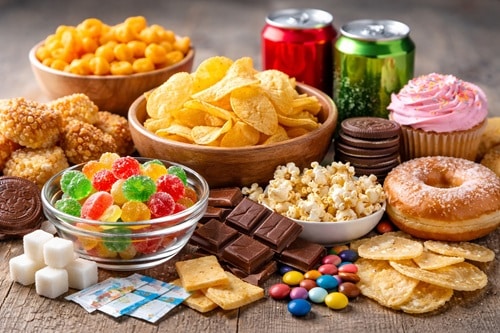
Artificial sweeteners are commonly used in diet foods and beverages as a substitute for sugar, but they are often found alongside a range of other processed ingredients. These compounds are designed to provide sweetness without calories, yet their long-term effects on metabolism and liver function are still being studied. Some research suggests that certain artificial sweeteners may alter gut bacteria, which can indirectly influence how the liver processes nutrients. Because the liver plays a central role in metabolic regulation, any disruption in these processes may have broader effects over time. Frequent consumption of artificially sweetened products can contribute to an overall pattern of highly processed food intake.
Processed snacks, including chips, packaged desserts, and ready-to-eat meals, often contain a combination of additives, preservatives, and unhealthy fats. These ingredients can place an added burden on the liver as it works to filter and break down various compounds. Over time, the cumulative effect of these substances may contribute to inflammation and reduced efficiency in liver function. While occasional consumption may not pose significant risks, regular intake can gradually impact overall health. Choosing minimally processed foods with fewer additives can help reduce unnecessary strain on the liver and support more balanced metabolic function.
Excessive Red Meat and Saturated Fat Intake
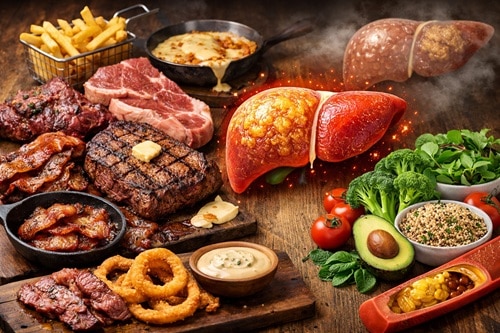
Red meats such as beef, pork, and lamb are common sources of protein, but they are also high in saturated fats, especially when consumed in large portions or prepared using high-fat cooking methods. Saturated fats can be more difficult for the body to process efficiently, and excessive intake may contribute to fat accumulation in the liver. Over time, this buildup can interfere with normal liver function and increase the risk of developing conditions such as nonalcoholic fatty liver disease. While the body requires some fat for energy and nutrient absorption, consistently high levels can place added stress on the liver’s metabolic processes. The way red meat is prepared, including frying or pairing it with rich sauces, can further increase its overall fat content.
In addition to fat content, frequent consumption of red meat has been associated with increased inflammation, which can impact liver health over time. Diets that rely heavily on red meat may also lack sufficient fiber and other nutrients found in plant-based foods, creating an imbalance that affects overall metabolic health. This imbalance can make it more difficult for the liver to regulate fat storage and process toxins effectively. Moderation plays an important role, as occasional consumption is less likely to cause harm compared to daily intake in large amounts. Incorporating leaner protein sources and balancing meals with vegetables and whole foods can help reduce strain on the liver and support long-term health.
How Everyday Choices Shape Liver Health
Many commonly consumed foods can have a gradual but meaningful impact on liver health, often without immediate or obvious symptoms. Items high in sugar, unhealthy fats, sodium, and additives may contribute to fat buildup, inflammation, and reduced liver efficiency over time. While occasional consumption is unlikely to cause significant harm, consistent dietary patterns play a major role in long-term outcomes. Paying attention to ingredient quality, portion sizes, and overall balance can help reduce unnecessary strain on the liver. Choosing whole, nutrient-dense foods more frequently supports the body’s natural processes and helps maintain healthier liver function over time.