The Most Irritating Personality Traits According to Studies
Scientific research has identified specific behavioral patterns that consistently trigger negative reactions in social and professional settings.
What makes certain people so difficult to be around? Researchers in psychology and organizational behavior have spent decades investigating the most irritating personality traits that consistently provoke negative reactions from others. These studies reveal that while personal annoyances vary widely based on individual tolerance and cultural context, specific behavioral patterns emerge repeatedly across different research populations. Understanding these traits offers insight not only into interpersonal dynamics but also into our own potential blind spots when navigating social relationships.
Research FoundationWhat Psychology Research Reveals About Annoying Behaviors
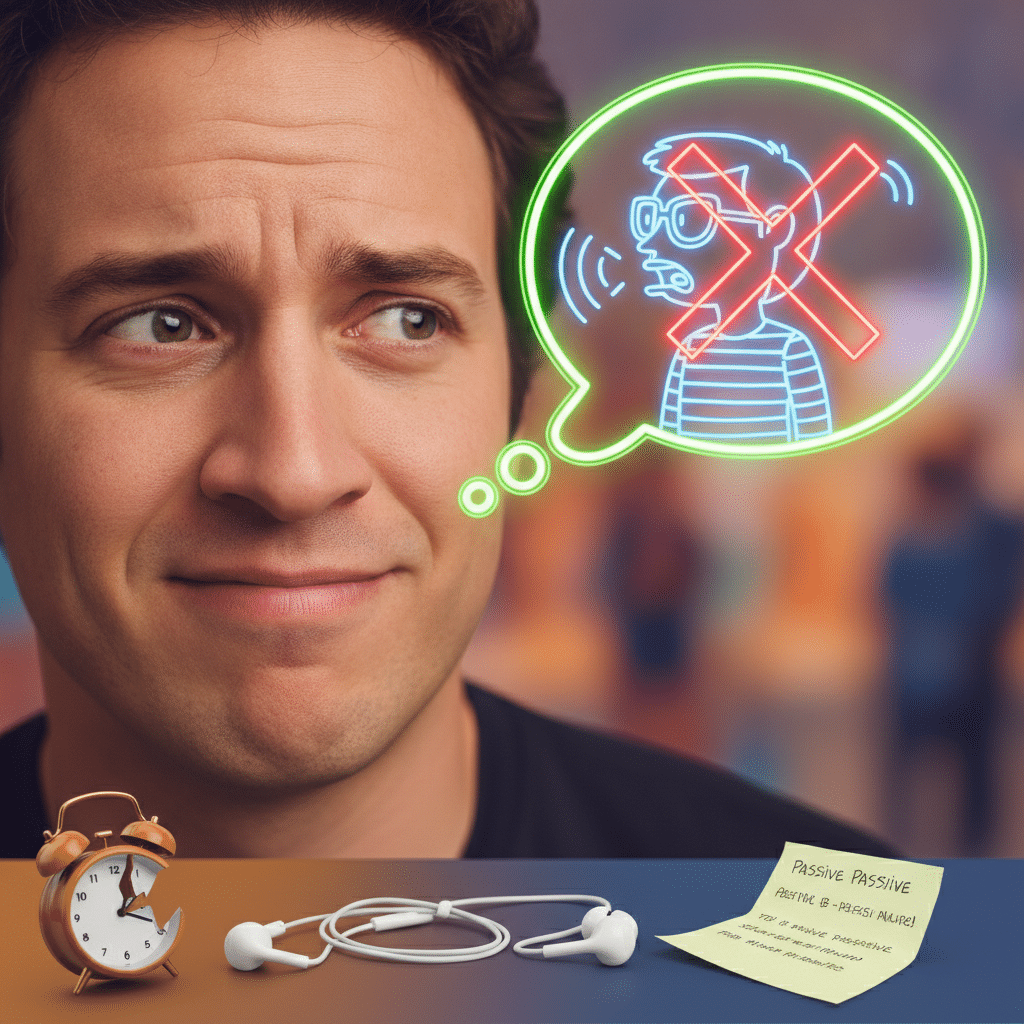
Research into interpersonal irritation has roots in personality psychology and social psychology traditions. Studies published in journals such as Personality and Individual Differences and the Journal of Research in Personality have examined which traits consistently generate negative impressions. One significant framework comes from research on the “Dark Triad” personality traits—narcissism, Machiavellianism, and psychopathy—which consistently rank among the most aversive characteristics in interpersonal settings.
Research conducted at the University of Louisville and published in 2002 by Delroy Paulhus and Kevin Williams introduced the Dark Triad concept, demonstrating that individuals high in these traits often engage in manipulative, self-serving, and callous behaviors that others find deeply off-putting. Subsequent studies have expanded understanding of aversive traits beyond this framework, identifying everyday behaviors that may not reach clinical thresholds but nonetheless generate significant social friction.
Personality research distinguishes between traits that are merely preference-based annoyances and those that consistently predict negative social outcomes across diverse populations. The traits identified in peer-reviewed studies tend to involve violations of social norms around reciprocity, respect, and consideration for others.
Narcissism and Self-Centered Behavior Patterns

Narcissistic traits consistently emerge as among the most irritating in research literature. A 2013 study published in PLOS ONE by researchers at the University of Georgia found that while narcissistic individuals often make positive first impressions, their likability deteriorates significantly over time as others recognize patterns of self-absorption, entitlement, and lack of genuine interest in others. The study tracked social perceptions over multiple interactions, demonstrating that narcissism’s initial charm gives way to irritation as the underlying self-focus becomes apparent.
Specific narcissistic behaviors that generate irritation include dominating conversations, dismissing others’ contributions, excessive self-promotion, and an inability to acknowledge mistakes or accept criticism. Research by W. Keith Campbell at the University of Georgia has documented how narcissistic individuals frequently overestimate their contributions to joint efforts while undervaluing others’ input, creating friction in both personal and professional relationships.
Social DynamicsChronic Complaining and Negative Communication Styles

Research on emotional contagion and social interaction has identified chronic negativity as a particularly draining interpersonal pattern. Studies on workplace dynamics, including research published in the Journal of Applied Psychology, indicate that persistent complaining creates a ripple effect that impacts team morale and productivity. Unlike occasional venting, which can serve stress-relief functions, habitual complaining without solution-seeking exhausts social partners and erodes relationship quality.
Robin Kowalski, a professor at Clemson University who has researched complaining behavior extensively, has documented how chronic complainers often fail to recognize the impact of their negativity on others. Her research suggests that while complainers may seek validation or connection through sharing grievances, the repetitive nature of their communication pattern tends to push others away rather than build relationships.
Studies on social exhaustion indicate that exposure to chronic negativity depletes psychological resources in listeners, a phenomenon related to what psychologists term “emotional labor.” This helps explain why certain individuals feel draining to be around even when no explicit conflict occurs.
Unreliability and Broken Commitments

Dependability ranks among the most valued traits in interpersonal relationships, and its absence generates consistent frustration. Research on the Big Five personality traits identifies conscientiousness—which includes reliability, organization, and follow-through—as a significant predictor of relationship satisfaction. Individuals low in conscientiousness tend to miss deadlines, forget commitments, and fail to follow through on promises, behaviors that research consistently links to interpersonal conflict.
Studies on trust in relationships, including work by John Gottman at the University of Washington, emphasize that reliability forms a foundation for relationship security. When individuals repeatedly demonstrate unreliability, it signals to others that they are not prioritized, generating feelings of disrespect and resentment that accumulate over time.
Conversational Dominance
Interrupting, monologuing, and failing to show interest in others’ perspectives consistently generate negative impressions in research settings.
Passive Aggression
Indirect expressions of hostility, including sarcasm, backhanded compliments, and the silent treatment, rank highly in aversiveness studies.
Know-It-All Behavior
Correcting others publicly, offering unsolicited advice, and dismissing alternative viewpoints trigger defensive reactions and relationship strain.
Poor Boundary Respect
Research indicates that individuals who consistently violate social boundaries—whether physical, emotional, or temporal—generate lasting negative impressions.
How Difficult Personality Traits Affect Professional Environments
Organizational psychology research has devoted considerable attention to aversive personality traits in workplace settings. Studies on counterproductive work behavior have identified specific traits that predict workplace conflict and reduced team effectiveness. Research published in Human Resource Management Review has documented how employees high in disagreeableness and low in emotional stability generate disproportionate conflict relative to their numbers in teams.
The concept of “workplace incivility”—low-intensity deviant behavior with ambiguous intent to harm—has been extensively studied by Christine Porath at Georgetown University. Her research indicates that small acts of rudeness, such as checking phones during conversations, taking credit for others’ work, or responding dismissively to colleagues, accumulate into significant relationship damage and organizational costs. These behaviors, while individually minor, represent trait patterns that others find deeply irritating.
Research consistently shows that the most irritating personality traits involve patterns of disregard for others—whether through self-absorption, negativity, unreliability, or boundary violations. These patterns share a common thread: they communicate to others that their needs, time, and contributions are not valued.
The Challenge of Recognizing Irritating Traits in Ourselves

One of the most consistent findings in personality research is that individuals tend to have limited insight into how their behavior affects others. Research on self-perception accuracy, including studies using 360-degree feedback methodologies, reveals significant gaps between self-assessment and others’ perceptions. This blind spot is particularly pronounced for aversive traits, as psychological defense mechanisms often protect individuals from recognizing their less flattering characteristics.
Studies on feedback receptivity indicate that even when confronted with evidence of annoying behaviors, many individuals discount or rationalize the information. Research by Tasha Eurich, an organizational psychologist who has studied self-awareness extensively, suggests that genuine self-insight is relatively rare, with only an estimated ten to fifteen percent of people meeting criteria for true self-awareness regarding how they are perceived by others.
Final PerspectiveUnderstanding Interpersonal Friction Through Research
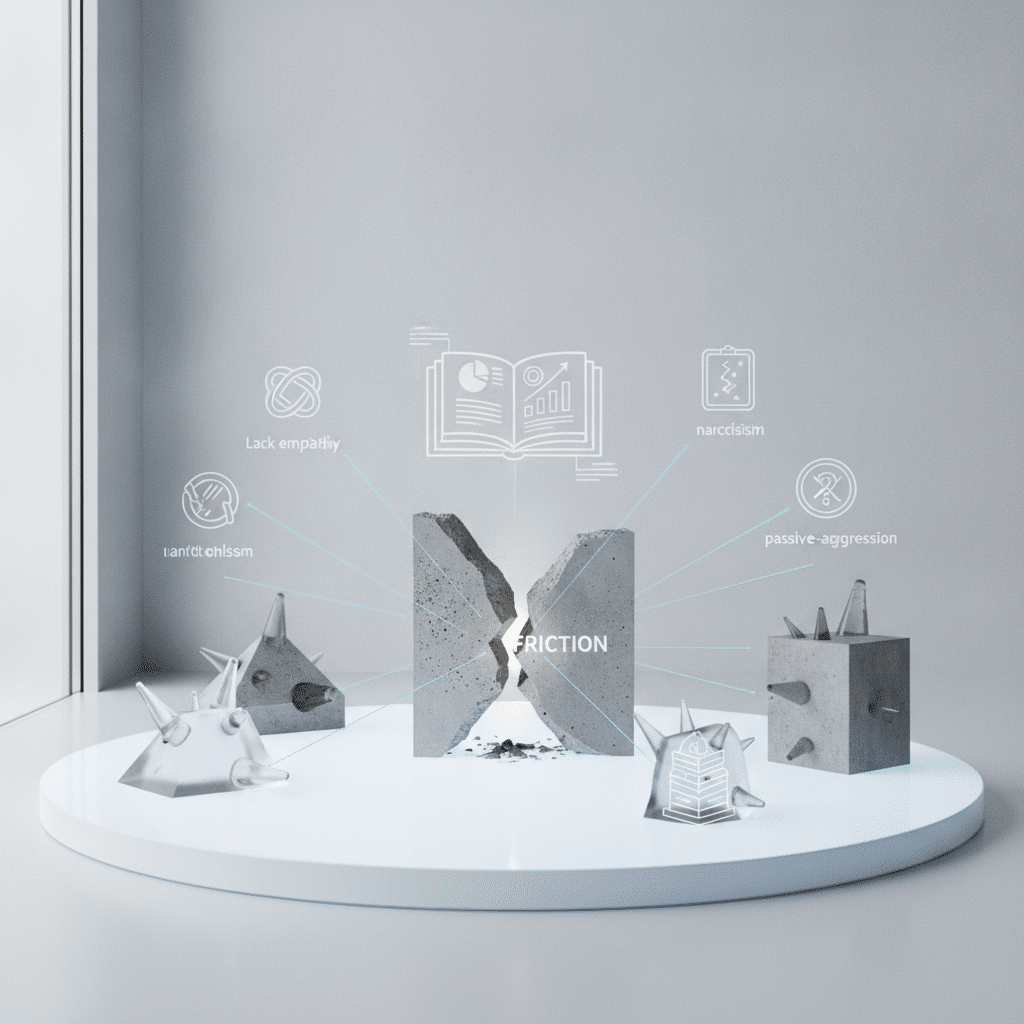
The body of research on irritating personality traits reveals that interpersonal friction often stems from predictable behavioral patterns rather than random personality clashes. While individual tolerances vary, the traits that consistently generate negative reactions across studies share common features: they involve prioritizing one’s own needs, perspectives, or emotional expressions over consideration for others. This research offers both cautionary insight for self-reflection and a framework for understanding why certain relationships prove chronically difficult—knowledge that can inform more intentional approaches to both self-improvement and relationship management.