

Did you know that nearly 1 in 2 people are deficient in at least one essential vitamin? Vitamins play a crucial role in maintaining a healthy body, from boosting your immune system to aiding in cellular repair. Yet, despite their importance, many individuals fall short of the recommended daily intake. This article is here to shed light on the most common vitamin deficiencies that you might be overlooking. You’ll learn about the roles these vitamins play, the risks of deficiency, and how to ensure you get enough through diet or supplementation. Let’s dive in to arm you with the knowledge you need to take control of your health.
The Role Of Vitamins In Your Body

Vitamins are organic compounds that our bodies need in small amounts to function properly. They serve as essential co-factors for enzymes, help in the process of energy production, and are vital for a myriad of biological functions. From aiding in the absorption of minerals to acting as antioxidants, vitamins are indispensable for maintaining good health. However, your body cannot produce most vitamins, which means you have to obtain them from your diet or supplements.
Understanding the role of vitamins sets the stage for grasping the gravity of deficiencies. There are two main types of vitamins: water-soluble and fat-soluble. Water-soluble vitamins, such as Vitamin C and the B-complex vitamins, are easily absorbed and excreted by the body, requiring regular replenishment. Fat-soluble vitamins, like Vitamins A, D, E, and K, are stored in the liver and fatty tissues and are used as needed. A deficiency in any of these vitamins can lead to a range of health issues, from fatigue and weakened immunity to more severe conditions like osteoporosis and anemia. With that said, let’s take a closer look at the most common vitamin deficiencies and their potential consequences.
Vitamin D – The Sunshine Vitamin

Vitamin D is unique among vitamins; you can synthesize it in your skin when exposed to sunlight. It plays a critical role in calcium absorption, bone health, and immune system function. Despite its importance, Vitamin D deficiency is rampant, especially in regions with limited sun exposure. A lack of this vitamin can lead to rickets in children and osteoporosis in adults, among other health issues.
So, how can you ensure you’re getting enough Vitamin D? Sunlight is the most natural source, but it’s not always accessible or sufficient, especially during winter months. Foods like fatty fish, fortified dairy products, and eggs can provide some Vitamin D, but it’s often challenging to meet the daily requirements through diet alone. Supplements are a viable option, but it’s crucial to consult a healthcare provider for the correct dosage and to rule out any contraindications.
Vitamin B12 – The Energy Booster

Vitamin B12 is a powerhouse when it comes to energy production and the proper functioning of your nervous system. It’s primarily found in animal products, making vegetarians and vegans particularly susceptible to deficiency. Symptoms of B12 deficiency can range from fatigue and weakness to more severe conditions like anemia and neurological issues.
To boost your B12 levels, consider incorporating more animal products like meat, fish, and dairy into your diet. For those who follow a plant-based diet, fortified foods and supplements are available. However, it’s essential to note that B12 is best absorbed when it’s taken along with other B vitamins, such as B6 and Folic Acid. As always, consult a healthcare provider for personalized advice, especially if you’re experiencing symptoms of deficiency.
Vitamin C – The Immunity Builder
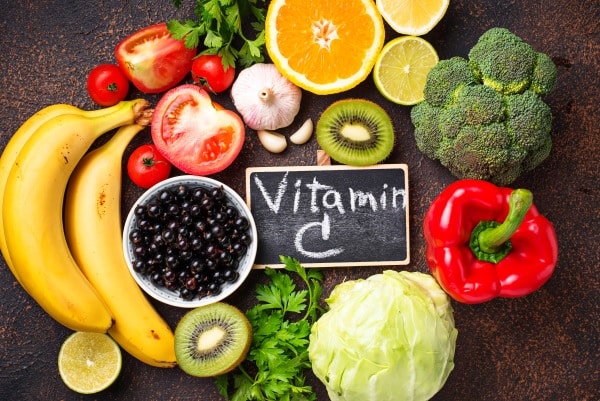
Vitamin C is renowned for its role in bolstering the immune system. It’s a powerful antioxidant that fights off free radicals, aids in the absorption of iron and promotes healthy skin by aiding in collagen production. Despite its widespread availability in fruits and vegetables, Vitamin C deficiency isn’t uncommon. Symptoms can include fatigue, muscle weakness, and, in severe cases, scurvy—a disease characterized by swollen, bleeding gums and joint pain.
To maintain adequate levels of Vitamin C, aim to include a variety of fruits and vegetables in your diet. Citrus fruits, strawberries, and bell peppers are excellent sources. If you find it challenging to meet your Vitamin C needs through food alone, supplements are an option. However, sticking to the recommended dosage is essential, as excessive Vitamin C can lead to digestive issues like diarrhea and nausea.\