
In the digital era, blue light has become an omnipresent companion, emanating from numerous devices that dominate daily life. This segment of the light spectrum, while beneficial during daylight hours, can have a disruptive influence on sleep patterns when absorbed in the evening. Understanding the impact of blue light on sleep is crucial, as it holds significant implications for health and well-being. This exploration delves into the nature of blue light, its sources, and the science behind its effects on the human body’s natural sleep cycle.
Unveiling Blue Light And Its Sources
Blue light, a high-energy visible light, possesses a short wavelength that contributes to its high energy level and is a natural part of sunlight. However, with the advent of digital technology, the exposure to artificial sources of blue light has increased exponentially, primarily through the use of LED lighting and various screen-based devices. The ubiquity of smartphones, tablets, and flat-screen TVs means that eyes are constantly bombarded with blue light, far beyond what is natural. This constant exposure is not without consequence, as the human eye is not very efficient at blocking blue light, allowing it to pass through to the retina, which can lead to potential long-term effects on vision and health.
The proliferation of blue light is not just limited to personal gadgets. Public spaces, workplaces, and homes are increasingly illuminated by LED and fluorescent lighting, which emit a significant amount of blue light compared to traditional incandescent bulbs. The shift towards energy-efficient lighting means that exposure is no longer confined to daytime hours or direct screen use. As a result, the cumulative effect of this exposure is a topic of growing concern among health professionals, prompting a closer examination of its impact on sleep and overall health.
The Science Of Blue Light And Circadian Rhythms

Circadian rhythms, the body’s internal clock that dictates sleep-wake cycles, are finely tuned to the natural light-darkness pattern of the environment. Blue light plays a pivotal role in regulating these rhythms by influencing the secretion of melatonin, the hormone responsible for inducing sleepiness. During daylight hours, blue light exposure is beneficial, boosting attention, reaction times, and mood. However, when this exposure extends into the evening, it can significantly hinder the production of melatonin, thereby disrupting the signal to the body that it is time to rest.
Research has consistently shown that exposure to blue light in the hours before bedtime can lead to difficulty falling asleep and a decline in the quality of sleep. The suppression of melatonin by blue light after sunset can delay the onset of sleep, shorten the duration of REM sleep, and disrupt the sleep cycle, leading to less restorative sleep. This disruption can have a ripple effect, impacting not just next-day energy levels and productivity but also contributing to a host of longer-term health issues.
Blue Light Exposure: Timing And Intensity Matters

The timing of blue light exposure is critical in determining its impact on sleep. Exposure during the evening, especially close to bedtime, is known to have the most significant effect on the circadian rhythm. The body’s internal clock is most sensitive to light in the hours leading up to sleep, and during this time, blue light can be particularly disruptive. The intensity of the light also plays a crucial role; brighter light has a stronger effect on delaying the body’s internal clock and suppressing melatonin levels.
It’s not just the timing and intensity; the duration of exposure also counts. Short bursts of blue light may not have the same effect as prolonged periods, which are more common given the extensive use of screens in modern lifestyles. Furthermore, not all blue light is created equal. The specific wavelength of the light determines its potential to impact sleep, with certain wavelengths having a more pronounced effect on melatonin suppression than others. This nuanced understanding of blue light’s influence is essential for developing strategies to mitigate its effects on sleep.
Age-Related Sensitivity To Blue Light
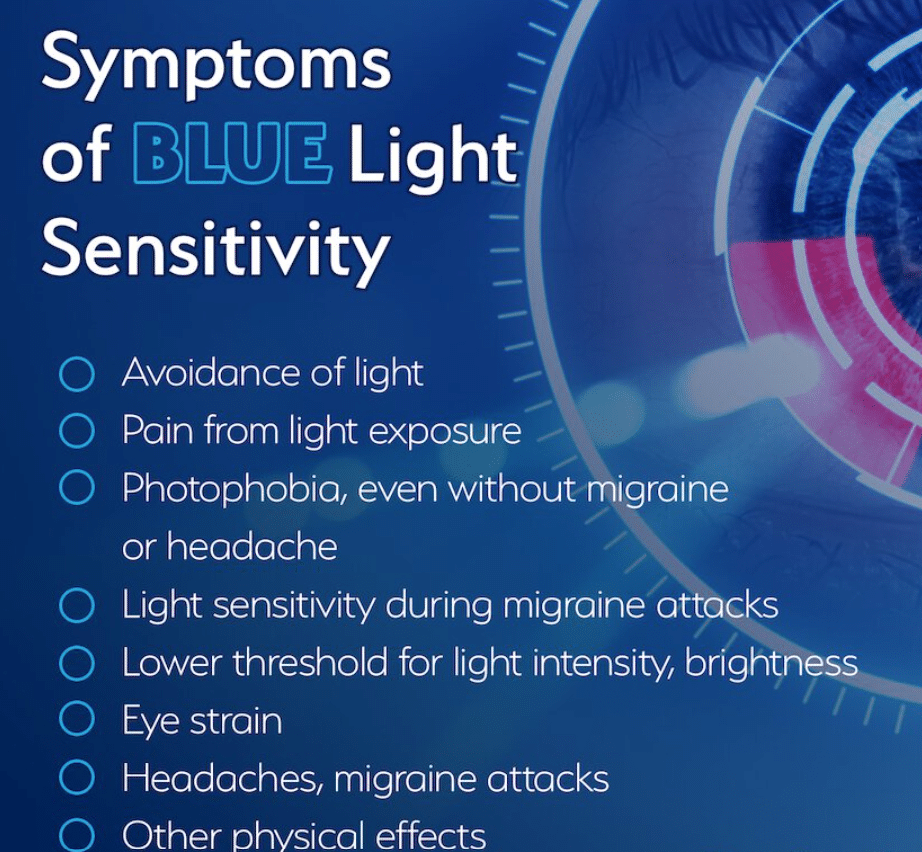
Sensitivity to blue light varies across different age groups, with children and adolescents having a higher sensitivity compared to adults. Younger eyes are more transparent, allowing more blue light to penetrate, which means the potential disruption to sleep and circadian rhythms could be more pronounced in these younger populations. This is particularly concerning given the increasing use of screen-based devices for both educational and recreational purposes among children and teenagers.
Studies indicate that the cumulative effect of prolonged exposure to blue light could have significant implications for the development and well-being of children and adolescents. The potential for blue light to affect sleep patterns during critical periods of growth and development raises questions about long-term health outcomes. In adults and the elderly, while the immediate effects on sleep may be less severe, the long-term exposure could contribute to the risk of developing age-related macular degeneration and other ocular diseases. Understanding these age-related differences is crucial for tailoring recommendations and interventions to protect sleep health across the lifespan.
The Consequences Of Poor Sleep Due To Blue Light

The repercussions of sleep disruption from blue light exposure extend beyond mere tiredness. Short-term effects include impaired cognitive function, such as reduced attention span, diminished alertness, and weakened memory. These immediate impacts can lead to decreased performance in professional and educational settings, as well as an increased risk of accidents due to drowsiness. Furthermore, the mood is often adversely affected, with individuals experiencing irritability and an increased susceptibility to stress when sleep-deprived.
Over the long term, the stakes are even higher. Chronic sleep deficiency has been linked to a host of serious health problems, including obesity, diabetes, cardiovascular disease, and even a shortened life expectancy. Additionally, there is a growing body of evidence suggesting that prolonged exposure to blue light, especially during the evening, could be associated with an increased risk of certain types of cancer stemming from the disruption of circadian rhythms and hormonal imbalances. This paints a concerning picture of the potential health costs associated with the modern, screen-saturated lifestyle.
Practical Tips For Minimizing Blue Light Exposure
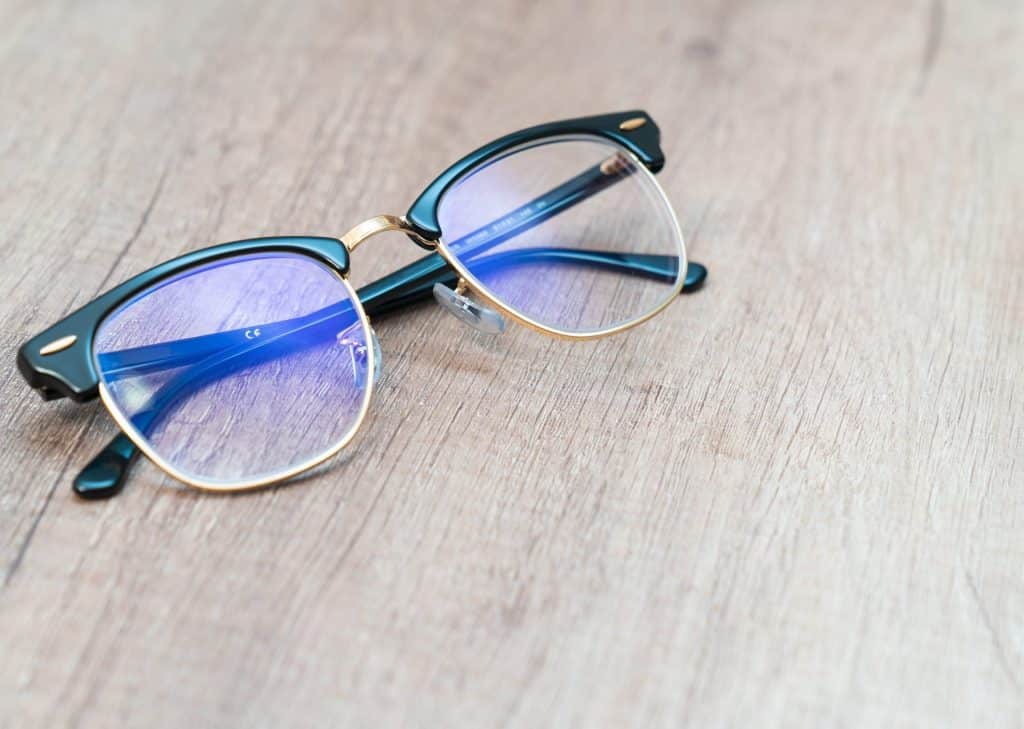
To combat the sleep-stealing effects of blue light, there are several practical measures one can take. Adjusting the settings on digital devices to reduce blue light emissions, or using software filters that shift the color temperature of displays towards the warmer end of the spectrum, can be effective, especially during evening hours. Additionally, incorporating the use of blue light-blocking glasses has gained popularity as a means to filter out the blue wavelength, thus protecting the eyes and preserving natural sleep patterns.
Beyond technological fixes, lifestyle adjustments can also play a significant role. Being mindful of the intensity of indoor lighting and opting for warmer tones can help. Limiting screen time in the evening or engaging in screen-free activities before bed, such as reading a book or practicing relaxation techniques, can also aid in preparing the body for sleep. Creating an environment conducive to sleep, with minimal light pollution, can further reinforce the body’s natural sleep-wake cycle and counteract the effects of blue light exposure.
Embracing The Dark: Sleep Hygiene In A Digital Age
Sleep hygiene refers to the practices that are conducive to sleeping well on a regular basis. In the context of blue light and sleep, sleep hygiene takes on additional layers of complexity. Ensuring that bedrooms are dark and free from glowing screens is a foundational step. This may involve using blackout curtains or eye masks to block out any sources of light, as well as establishing a pre-sleep routine that avoids the use of electronic devices at least an hour before bedtime.
The concept of a “digital curfew” can be particularly beneficial, where individuals set a specific time in the evening, after which they do not engage with digital devices. This not only reduces blue light exposure but also helps in winding down mentally, distancing oneself from the day’s stresses and stimuli. Encouraging regular sleep schedules, even on weekends, can help to reinforce the body’s sleep-wake cycle, making it easier to fall asleep and wake up naturally, feeling refreshed and alert.
Beyond Blue Light: Holistic Approaches To Better Sleep

While managing blue light exposure is essential, it’s only one component of a holistic approach to improving sleep. Factors such as diet, physical activity, and overall stress levels play a significant role in sleep quality. Consuming caffeine late in the day or indulging in heavy meals can interfere with the ability to fall asleep. Conversely, physical activity during the day has been shown to promote better sleep quality, though it’s best to avoid vigorous exercise close to bedtime as it can be too stimulating.
In addition to physical health, mental well-being is also deeply intertwined with sleep. Practices such as mindfulness meditation, deep breathing exercises, or gentle yoga can help in managing stress and creating a calm mindset conducive to sleep. Establishing a regular sleep schedule and making sleep a priority are key strategies in a holistic approach. By addressing these various aspects of lifestyle, one can create a comprehensive plan for improving sleep, thereby enhancing overall health and quality of life.
Take Charge Of Your Sleep Health
In light of the compelling evidence linking blue light to sleep disruption, it becomes imperative to take proactive steps toward mitigating its effects. By adjusting digital habits, especially before bedtime, and fostering an environment conducive to sleep, one can safeguard their circadian rhythm and enhance sleep quality. Embrace the challenge to balance technology with health, and remember that in the pursuit of restful nights, every small change counts!