Microplastics, tiny fragments of plastic less than five millimeters in size, have infiltrated various ecosystems, raising significant concerns about their impact on human health. These minuscule particles, often invisible to the naked eye, originate from larger plastic debris that degrades over time. They have become ubiquitous, contaminating water sources, wildlife, and now, alarmingly, the human food chain. This blog post delves into the nature of microplastics, their journey into food supplies, and the potential health risks they pose, highlighting the urgency of addressing this growing environmental and health issue.
What Are Microplastics?

Microplastics are defined as small plastic pieces, typically less than five millimeters in diameter, and are a growing environmental concern. These particles originate from a variety of sources, including cosmetic products, synthetic clothing, and the breakdown of larger plastic waste. Due to their small size, microplastics are challenging to detect and remove from the environment. Their presence in oceans, rivers, and soils has raised concerns about their potential to cause harm to ecosystems and human health.
Understanding the nature of microplastics involves recognizing their diverse forms. They can be primary microplastics, designed to be small for specific uses like microbeads in exfoliants, or secondary microplastics, resulting from the breakdown of larger plastic items. This fragmentation process is accelerated by environmental factors like sunlight, temperature fluctuations, and physical wear. Consequently, microplastics have become widespread pollutants, found even in remote locations, reflecting the extensive reach of plastic pollution.
How Microplastics Enter Your Food Supply
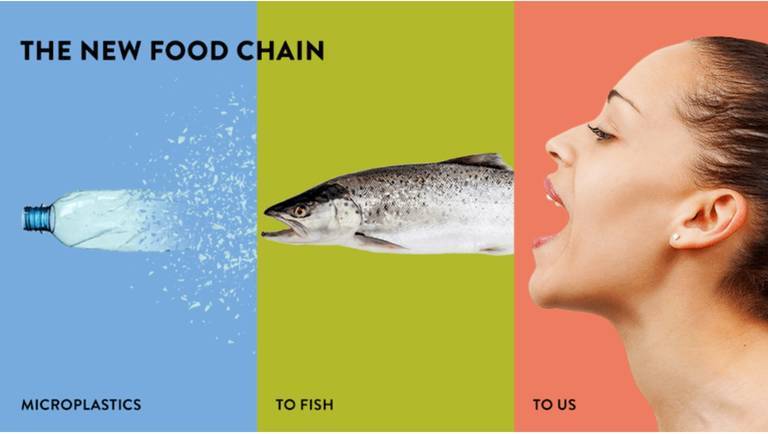
Microplastics enter the food supply through several pathways, with seafood being a primary source. Fish and other marine organisms often mistake these tiny particles for food, accumulating them in their bodies. When humans consume seafood, they inadvertently ingest these microplastics. Additionally, the particles can bind to the tissues of fish and shellfish, making them difficult to remove during processing.
Agricultural practices contribute to the spread of microplastics into the food chain. Plastic mulching, a common technique in farming, slowly degrades into microplastics that are absorbed into the soil. These particles can then be taken up by plants, entering the human diet through fruits, vegetables, and grains. Moreover, microplastics are also found in water used for irrigation, further exacerbating their presence in agricultural produce. This widespread contamination underscores the complexity of preventing microplastic pollution in food sources.
Microplastics Can Disrupt Hormones
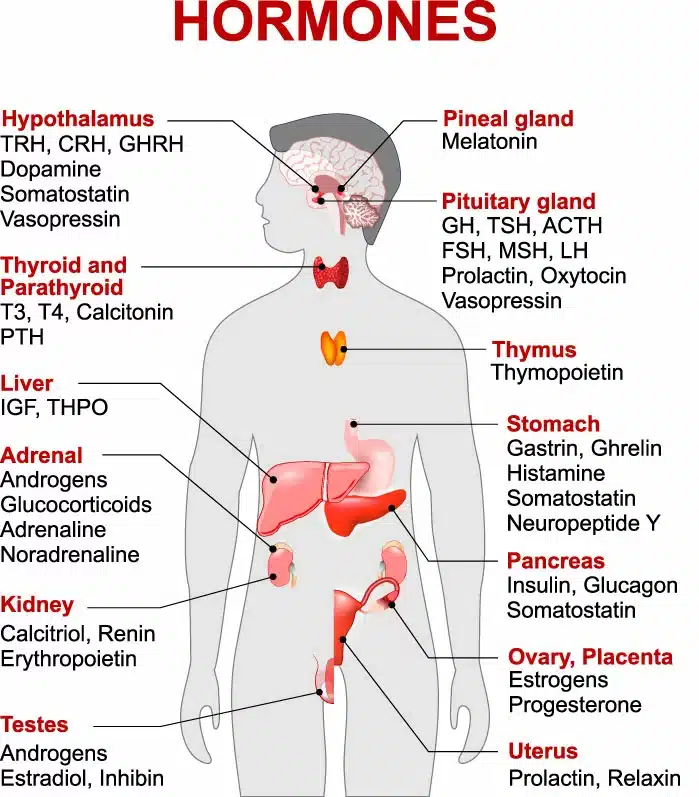
Microplastics are emerging as potential endocrine disruptors, chemicals that can interfere with hormonal systems. These particles can carry and leach hazardous chemicals, such as bisphenol A (BPA) and phthalates, which are known to mimic or interfere with the body’s hormones. This disruption can lead to a cascade of health issues, including reproductive problems, developmental disorders, and even increased cancer risk. As microplastics continue to pervade the environment, the concern for their impact on hormonal health intensifies.
The interaction of microplastics with hormones is a subject of ongoing research. Studies have shown that these particles can affect the endocrine system in various ways, from altering hormone production to interfering with hormone receptors. The small size of microplastics allows them to travel within the body, potentially causing cellular-level disruptions. This growing body of evidence underscores the need for further investigation into the long-term health effects of microplastic exposure.
Impairing Immune Health
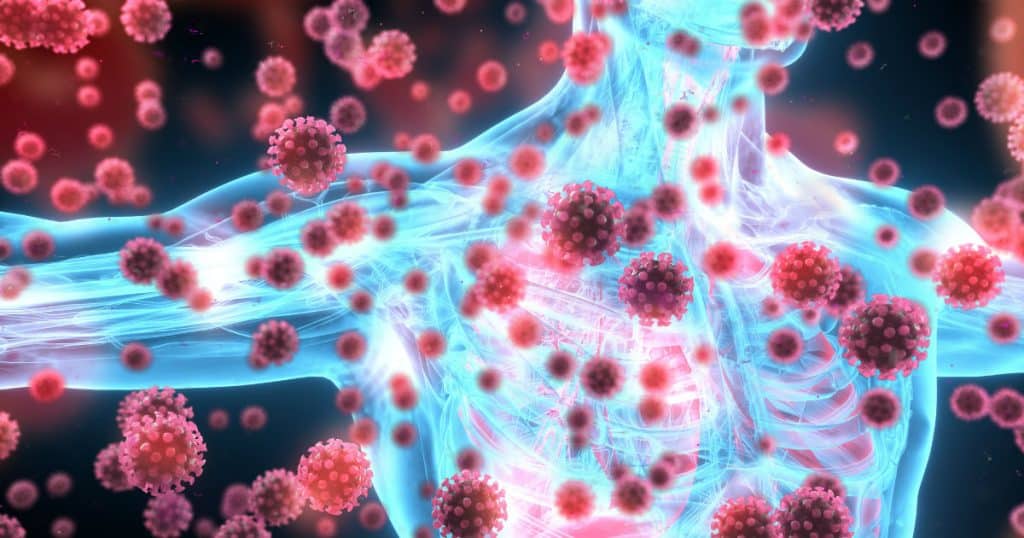
The impact of microplastics on immune health is a critical area of concern. When ingested, these particles can trigger inflammatory responses, as the body recognizes them as foreign substances. This chronic inflammation can weaken the immune system over time, making it less effective in fighting off infections and diseases. Additionally, the toxic substances often associated with microplastics can exacerbate these immune responses, further compromising health.
Research has shown that continuous exposure to microplastics can lead to altered immune function. This can manifest in various ways, from increased susceptibility to infections to the development of autoimmune diseases. The exact mechanisms by which microplastics affect the immune system are still being studied, but the potential for long-term health implications is clear. The presence of microplastics in everyday food sources thus represents a significant risk to immune health.
Microplastics And Digestive Health

Microplastics also pose a threat to digestive health. Ingested particles can accumulate in the gastrointestinal tract, potentially causing physical irritation or blockages. Over time, this can lead to digestive discomfort, reduced nutrient absorption, and other gastrointestinal issues. The risk is particularly high for smaller particles, which can embed themselves in the delicate lining of the gut.
Additionally, microplastics may disrupt the gut microbiome, the community of microorganisms living in the digestive system. These microbes play a crucial role in digestion, immune function, and overall health. Alterations in the gut microbiome composition due to microplastic exposure could lead to a range of health issues, including digestive disorders, metabolic syndromes, and even impacts on mental health.
Increasing Risk Of Chronic Disease

Exposure to microplastics over time is linked to an increased risk of developing chronic diseases. Studies have suggested a connection between microplastic ingestion and conditions like obesity, diabetes, and cardiovascular diseases. The mechanisms behind these links are complex, involving inflammatory responses, hormonal disruptions, and alterations in the gut microbiome.
Chronic diseases are often multifactorial, but the role of environmental pollutants like microplastics cannot be overlooked. The cumulative effect of long-term exposure, even at low levels, can significantly impact health. This highlights the importance of understanding and mitigating the presence of microplastics in the food supply, as part of broader efforts to prevent chronic health conditions.
Environmental And Societal Implications

Beyond personal health, microplastics pose broader environmental and societal challenges. Environmentally, they contribute to the degradation of ecosystems, affecting wildlife and biodiversity. Microplastics not only harm marine life but also disrupt terrestrial and freshwater ecosystems, leading to broader ecological imbalances.
The societal implications of microplastic pollution are far-reaching. They affect food safety and public health, potentially leading to increased healthcare costs and economic burdens. Additionally, addressing microplastic pollution requires coordinated efforts across industries, governments, and communities, highlighting the need for comprehensive policies and innovative solutions to tackle this global issue.
The Bottom Line
Understanding the dangers of microplastics in food is vital for both individual health and environmental sustainability. This post has explored the various ways microplastics enter the food supply and their potential impacts on health, including hormonal disruption, immune and digestive system impairment, and the risk of chronic diseases. The issue also extends beyond health, affecting ecosystems and requiring societal action. Addressing this challenge is essential, calling for changes in consumption habits, improved waste management, and stricter regulatory measures to reduce plastic pollution and safeguard health.