In today’s fast-paced society, stress has become a ubiquitous challenge, impacting both physical health and mental well-being. With the increasing demands of work, social obligations, and personal life, finding effective and accessible methods to manage stress is more important than ever. Breathing techniques offer a simple yet powerful tool to induce relaxation and provide instant stress relief. These methods harness the body’s natural response to deep breathing, promoting a state of calmness and balance. This post explores eight different breathing techniques, each providing a unique approach to stress relief, ensuring that you can find a method that resonates with your needs and lifestyle.
Diaphragmatic Breathing

Diaphragmatic breathing, often referred to as deep breathing, is a fundamental technique that involves full engagement of the abdomen during inhalation. By focusing on deep, even breaths, this method encourages the diaphragm to fully descend, facilitating a deeper and more efficient oxygen exchange. The result is a significant reduction in the heart rate and blood pressure, key indicators of stress in the body. Practicing diaphragmatic breathing not only helps in managing acute stress but also contributes to long-term stress resilience. It’s particularly effective in moments of tension, providing a quick and accessible way to regain composure.
As you inhale deeply through the nose, allowing your stomach to rise, and exhale slowly through the mouth, the body begins to activate its parasympathetic nervous system, the system responsible for rest and digestion. This shift away from the stress-induced sympathetic activation promotes a state of relaxation. Regular practice can enhance your awareness of breathing patterns, leading to improved control over your physiological stress responses. Diaphragmatic breathing is especially beneficial before engaging in activities known to induce stress, offering a method to preemptively address and mitigate stressors.
4-7-8 Breathing Technique
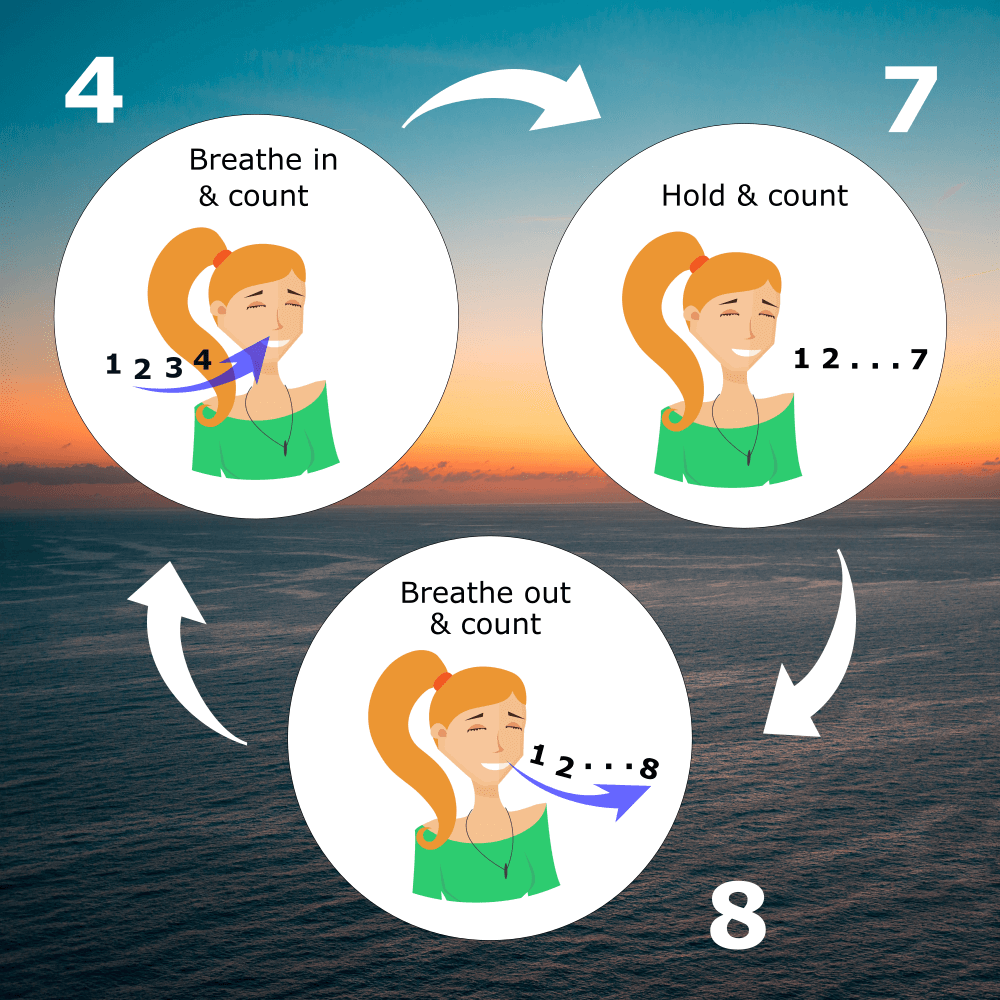
The 4-7-8 breathing technique, developed by Dr. Andrew Weil, is a powerful method for quickly reducing stress. It involves breathing in for 4 seconds, holding the breath for 7 seconds, and exhaling for 8 seconds. This rhythmic pattern helps to slow down the heart rate and encourage the body to take in more oxygen, which can have a calming effect on the nervous system. The deliberate focus on the breath helps to quiet the mind, making it an effective strategy for interrupting the cycle of stress and anxiety.
Practicing the 4-7-8 technique can be particularly useful in situations where stress feels overwhelming or before bedtime to promote relaxation and improve sleep quality. By extending the exhale longer than the inhale, this technique facilitates a deeper release of tension within the body. It serves as a mental reset, clearing away the clutter of stressful thoughts and allowing for a renewed sense of peace. The simplicity of 4-7-8 breathing means it can be done anywhere, anytime, making it a versatile tool for stress management.
Box Breathing
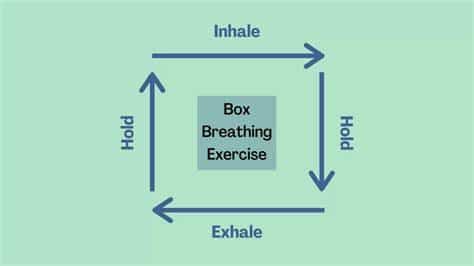
Box breathing, also known as square breathing, is a technique that emphasizes control and balance in the breathing process. The method involves inhaling, holding the breath, exhaling, and holding again, each for an equal count of four. This equal duration for each phase of the breathing cycle promotes a focused state of mind, reducing stress and enhancing concentration. Box breathing is particularly effective for those moments when you need a quick mental reset, such as before an important meeting or in the midst of a challenging task.
The structured pattern of box breathing makes it an excellent practice for improving lung function and increasing oxygen delivery to the bloodstream. As you engage in this technique, the predictability and rhythm of the breath work to stabilize the heart rate and blood pressure, further promoting a sense of calm. Regular practice of box breathing can improve your ability to manage stress reactions in real time, providing a reliable tool for regaining focus and composure under pressure.
Alternate Nostril Breathing
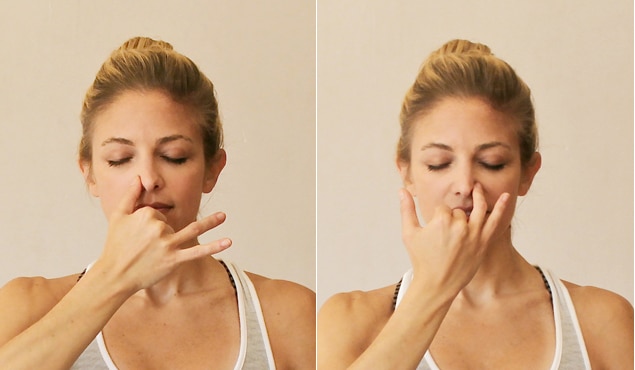
Alternate nostril breathing, a practice rooted in the ancient yogic tradition, is known for its ability to balance the body and mind. This technique involves alternating the breath between the nostrils by closing one nostril while breathing in and then closing the other nostril while breathing out. The process is repeated for several cycles. This method is believed to harmonize the two hemispheres of the brain, reduce stress, and improve mental clarity. Its balancing effect on the autonomic nervous system makes it an effective practice for those seeking a moment of tranquility in a hectic day.
Beyond its stress-relieving properties, alternate nostril breathing is also praised for preparing the mind for meditation and improving sleep quality. By fostering a deeper connection between the breath, body, and mind, this technique encourages a meditative state, making it easier to detach from the day’s worries and stressors. Incorporating alternate nostril breathing into your daily routine can be particularly beneficial in moments of imbalance, offering a pathway to inner peace and renewed focus.
Progressive Muscle Relaxation
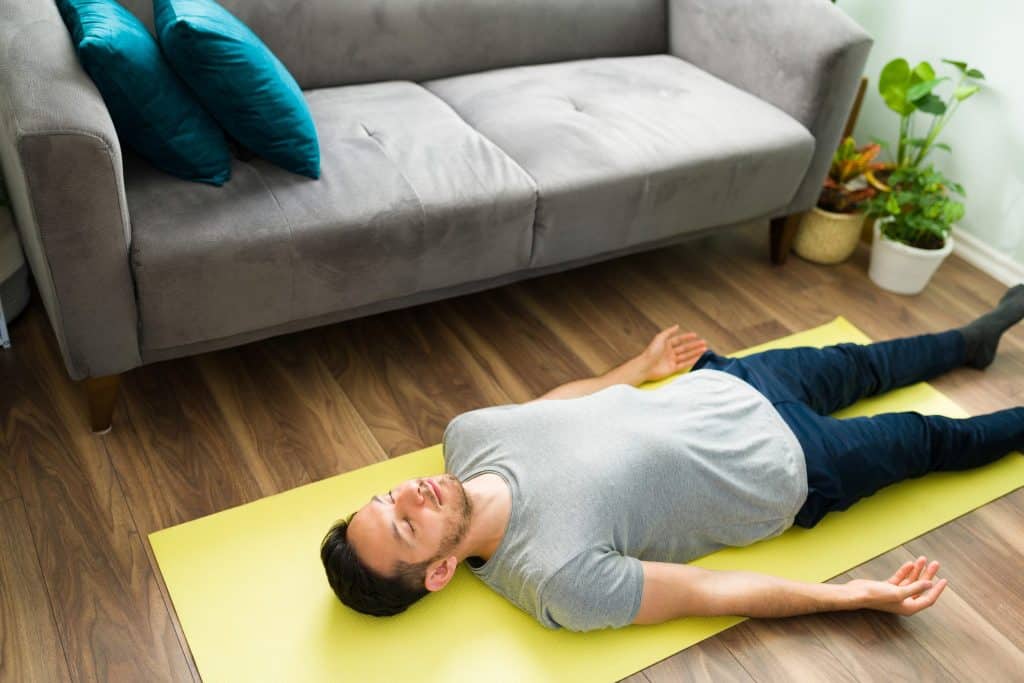
Progressive Muscle Relaxation (PMR) combines breath control with systematic muscle tension and relaxation to deepen stress relief. The technique involves tensing each muscle group in the body tightly, but not to the point of strain, and then slowly relaxing them while maintaining deep, slow breaths. This practice not only aids in releasing physical tension but also has a profound calming effect on the mind. As muscles are relaxed systematically, the body sends signals to the brain that it is safe to unwind, effectively reducing stress and anxiety levels. PMR is particularly useful after long periods of sitting or physical activity to alleviate any accumulated stress or tension.
Integrating breathing with muscle relaxation amplifies the stress-relieving effects of both practices. By focusing on the breath while methodically relaxing the muscles, individuals can achieve a state of deep relaxation, enhancing overall stress management. This technique can be especially beneficial before bedtime, as it prepares the body and mind for a restful sleep, free from the day’s tensions. Regular practice of PMR can improve your ability to recognize and control the physical manifestations of stress, leading to a more relaxed and balanced daily life.
Equal Breathing

Equal breathing, known as “sama vritti” in Sanskrit, emphasizes balance and harmony through synchronized inhalation and exhalation. This technique involves breathing in and out for an equal count, usually starting with four seconds for each and gradually increasing as comfort with the practice grows. The focus on maintaining equal lengths of breath helps to stabilize the mind, reduce stress, and enhance mental clarity. By centering attention on the breath, equal breathing encourages a meditative state, fostering a sense of inner peace and equilibrium. It’s particularly effective for managing moments of anxiety or before engaging in tasks that require concentration and focus.
The beauty of equal breathing lies in its simplicity and adaptability; it can be practiced anywhere, at any time, making it an invaluable tool for immediate stress relief. This technique not only improves lung capacity and control over the breathing process but also promotes a balanced emotional state, helping to mitigate the effects of stress on the body. Incorporating equal breathing into your daily routine, particularly during transitions or moments of heightened stress, can significantly enhance your ability to navigate life’s challenges with grace and composure.
Lion’s Breath
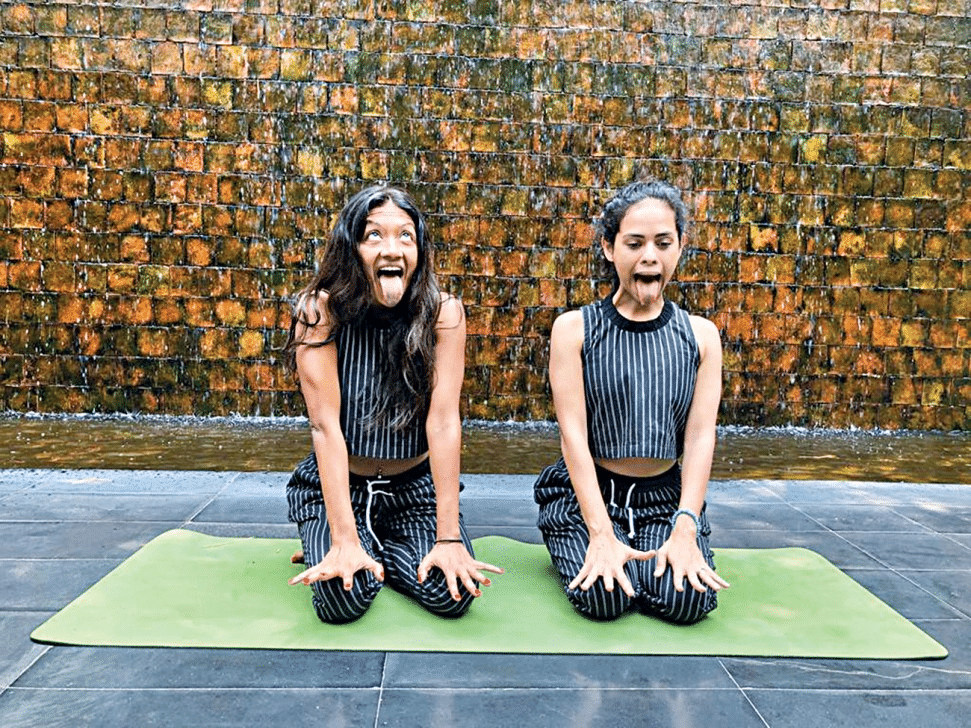
Lion’s Breath, or “Simhasana” in yogic practice, is a powerful breathing technique characterized by a forceful exhalation that helps release tension and stress. The practice involves taking a deep breath in through the nose, then opening the mouth wide and sticking the tongue out as far as possible, exhaling forcefully with a “ha” sound. This expressive release helps to relieve tension in the chest and throat, areas where stress is often held. Lion’s Breath is beneficial for easing physical tension and clearing mental clutter, making it a useful practice for moments of frustration or feeling overwhelmed.
This technique is unique in its ability to energize and invigorate the body while simultaneously promoting relaxation. The act of releasing the breath with force encourages the release of negative emotions, leaving a sense of lightness and clarity. Lion’s Breath can be particularly effective when feeling sluggish or bogged down by stress, offering an instant boost of energy and a shift in perspective. It’s a reminder of the power of breath to transform your mental and physical state, providing a quick and effective method for stress relief and emotional release.
Bee Breathing (Bhramari)
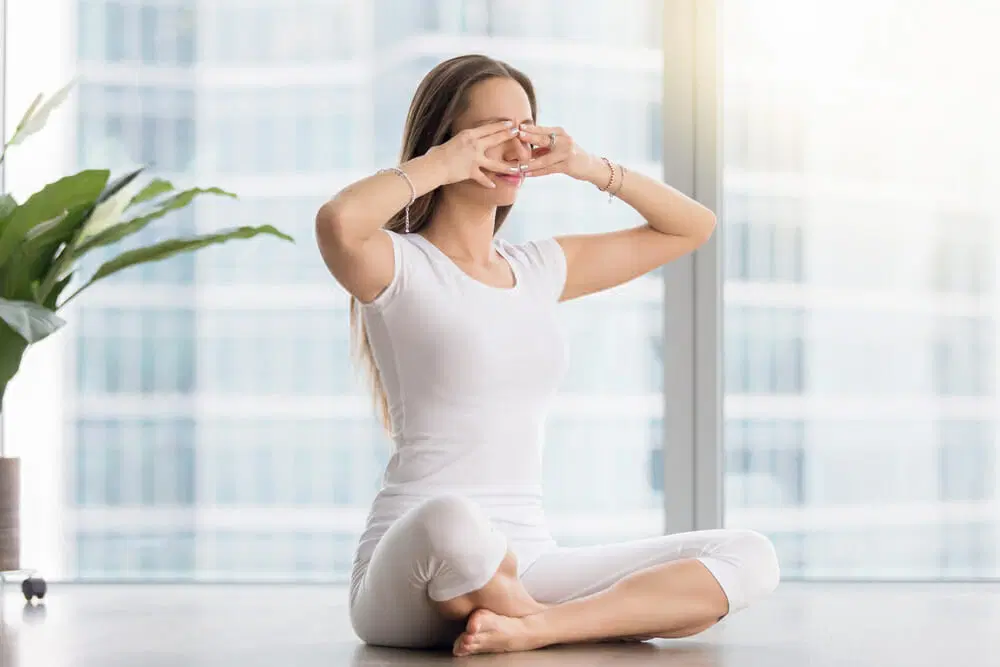
Bee Breathing, or “Bhramari,” derives its name from the Sanskrit word for bee, referring to the humming sound produced during the practice. This technique involves closing the eyes, placing the fingers over the ears to block external noise, inhaling deeply, and then exhaling with a humming sound. The vibration of the hum has a natural calming effect on the mind, reducing stress and anxiety. The focus on the sound helps to drown out mental chatter, making Bhramari particularly effective for quieting the mind before sleep or during moments of acute stress.
The benefits of Bee Breathing extend beyond stress relief, including improved concentration, reduction in hypertension, and alleviation of headaches. The practice encourages a deep engagement with the breath, enhancing lung capacity and control. By incorporating Bhramari into your daily routine, you can create moments of peace and tranquility in your day, effectively countering the effects of stress. It’s a gentle reminder of the power of simple, focused breathing techniques to transform your overall well-being.
Find Your Breath, Find Your Peace
Through the practice of these eight diverse breathing techniques, you unlock a powerful toolkit for managing stress and enhancing your well-being. Each method offers a unique path to tranquility, proving that the simplest actions can yield profound benefits. As you integrate these practices into your daily life, you not only combat stress but also embrace a lifestyle centered on mindfulness and balance. So breathe your way to a calmer, more centered existence, one breath at a time.