Contents
Africa’s Edible Enigmas

In Nigeria, whistling while eating is believed to invite evil spirits into one’s home. This superstition is deeply rooted in traditional beliefs about the spiritual world, where whistling is thought to be a form of communication with spirits. Therefore, doing so while eating is considered an invitation for malevolent forces to join the meal, potentially leading to misfortune or illness.
In South Africa, there’s a belief that eating directly from a cooking pot will make it rain. This superstition likely has its origins in agricultural communities where rain is both a blessing and a curse. Eating from the pot is seen as a greedy act that angers the gods, causing them to send rain as a form of punishment or cleansing. This belief serves as a social guideline, encouraging communal eating and sharing.
Middle Eastern Mealtime Mysteries
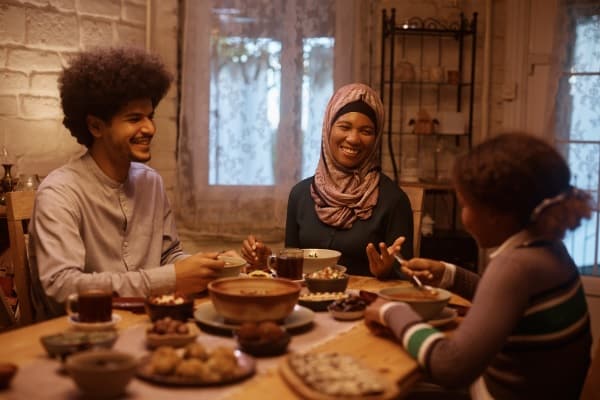
In Turkey, it’s believed that chewing gum at night turns into the flesh of the dead. This superstition serves as a deterrent from engaging in what is considered an inappropriate or disrespectful act. The belief likely has its roots in Islamic teachings, which have specific guidelines about what is considered clean and unclean, especially during the nighttime hours.
In Iran, sitting at the corner of a table is thought to delay one’s marriage. This superstition is particularly directed at young, unmarried individuals. The corner of the table is considered a lonely spot, symbolizing isolation. Therefore, sitting there is thought to extend this loneliness into one’s marital future, serving as a cautionary tale for those eager to tie the knot.
The Psychology Of Food Superstitions

Superstitions often provide a sense of control in a world full of uncertainties. Food superstitions are no exception; they offer a framework for understanding the unknown and coping with life’s unpredictabilities. For example, the act of eating black-eyed peas on New Year’s Day gives people the hope of a prosperous year ahead, even if there’s no scientific basis for this belief.
These superstitions also play a significant role in social interactions. They serve as cultural markers that can either include or exclude individuals based on their knowledge and adherence to these beliefs. For instance, knowing not to stick chopsticks upright into a bowl of rice can signify one’s understanding and respect for Chinese culture. Such nuances in food etiquette can be crucial in social settings, influencing how one is perceived within a community.
Unveil The Secrets Of Your Next Meal
From the perilous placement of chopsticks in China to the taboo of sitting at a table’s corner in Iran, food superstitions offer a fascinating glimpse into the world’s diverse cultures. These beliefs, often deeply rooted in history and folklore, serve as both a guide and a warning, shaping social interactions and offering a sense of control in an unpredictable world. As you navigate the rich tapestry of global cuisines, take a moment to appreciate the hidden meanings behind each bite!