Contents
Anti-Inflammatory Spices for Enhanced Energy
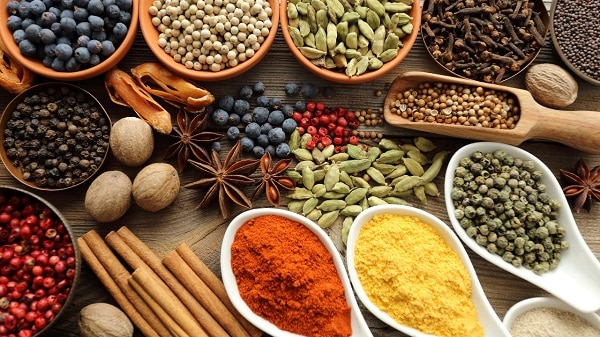
Certain spices have remarkable anti-inflammatory properties that can transform your meals into powerful health boosters. Turmeric, often referred to as “golden spice,” contains curcumin, a compound renowned for its ability to reduce inflammation and support joint health. Ginger, another potent spice, aids digestion and helps combat fatigue caused by inflammation. Cinnamon not only adds a sweet and warm flavor but also helps regulate blood sugar levels, preventing energy crashes throughout the day.
Incorporating these spices into your daily diet is easy and versatile. Add turmeric to soups, stews, or smoothies, and include ginger in teas or stir-fries for a refreshing kick. Cinnamon can be sprinkled on oatmeal, yogurt, or baked goods for a tasty way to stabilize energy levels. By using these spices regularly, you can take advantage of their inflammation-fighting benefits while enhancing the flavor of your meals.
Hydration and Its Impact on Inflammation and Energy
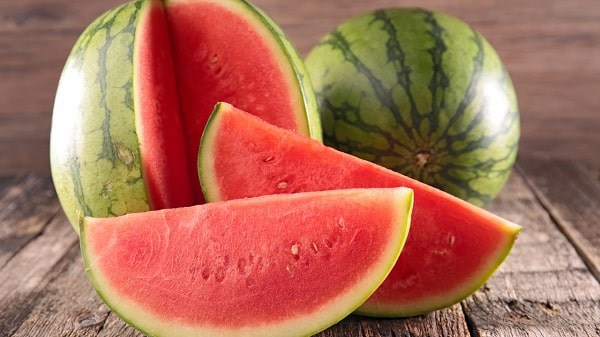
Proper hydration is essential for reducing inflammation and maintaining optimal energy levels. Dehydration can worsen inflammatory processes in the body, leading to fatigue and impaired physical performance. Drinking water is crucial, but consuming hydrating foods like cucumbers, watermelon, and celery can also make a big difference. These foods not only replenish fluids but also provide nutrients that support overall health.
In addition to water-rich foods, beverages like green tea and herbal teas offer dual benefits. Green tea contains polyphenols, which are powerful anti-inflammatory compounds that combat oxidative stress. Herbal teas like chamomile or peppermint can soothe inflammation while promoting relaxation. Staying hydrated with a combination of water, nutrient-dense foods, and tea can help you keep inflammation at bay and sustain energy throughout the day.
Probiotic Foods to Support Gut Health and Energy
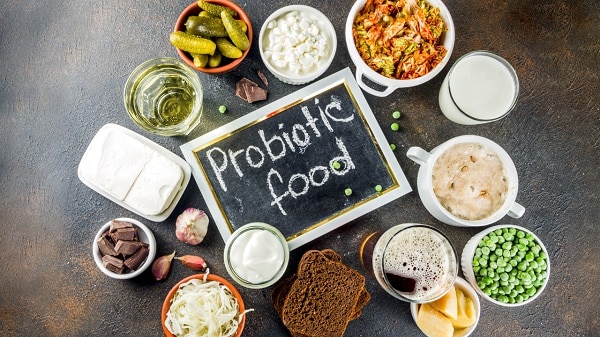
The health of your gut plays a crucial role in controlling inflammation and energy levels. A balanced gut microbiome, populated with beneficial bacteria, can reduce systemic inflammation and improve nutrient absorption. Probiotic-rich foods like yogurt, kefir, and fermented vegetables such as kimchi and sauerkraut can help maintain this balance. These foods introduce good bacteria into the gut, promoting a healthier digestive system and reducing inflammation.
A healthy gut not only lowers inflammation but also enhances your body’s ability to extract and utilize energy from food. For example, better nutrient absorption ensures your cells have the vitamins and minerals needed for energy production. Including probiotics in your daily meals can provide long-term benefits, from improved digestion to a noticeable boost in vitality and overall well-being.
Taking Charge of Inflammation and Energy
Fighting inflammation and boosting energy can be as simple as making the right dietary choices. By incorporating antioxidant-rich fruits, omega-3-packed foods, hydrating options, anti-inflammatory spices, and probiotics into your meals, you can improve your overall well-being. These foods not only combat chronic inflammation but also provide sustained energy to help you feel your best. Small, consistent changes in your diet can have a significant impact over time. Begin by adding just one or two of these inflammation-fighting foods to your routine today, and take a proactive step toward better health, increased energy, and a more vibrant life.