Walking is often overlooked as a simple yet effective way to lose weight. While it may not have the high-intensity reputation of running or the muscle-building prowess of weightlifting, walking offers a low-impact, accessible option for weight loss. This article is here to be your comprehensive guide to shedding those extra pounds just by putting one foot in front of the other. From understanding the science behind how you can lose weight walking to choosing the right gear and setting achievable goals, you’ll find everything you need to start your weight-loss journey. So, let’s take that first step together towards a healthier, lighter you.
Contents
The Science Behind Walking And Weight Loss

Walking may seem like a basic activity, but the science behind its weight-loss benefits is anything but simple. When you walk, you engage multiple muscle groups, which in turn burns calories. The average person burns about 100 calories per mile walked, depending on factors like weight and walking speed. While this may not seem like much compared to high-intensity workouts, the cumulative effect can be significant over time.
Moreover, walking is particularly effective at targeting fat loss. Unlike more intense forms of exercise, which may burn a combination of fat and muscle, walking primarily uses fat as its energy source. This makes it an excellent option for sustainable weight loss. Additionally, walking helps to boost your metabolism, making it easier to maintain or even accelerate your weight loss over time.
Setting Your Weight Loss Goals

Before lacing up those walking shoes, it’s crucial to set clear and achievable weight loss goals. Having a target in mind will not only keep you motivated but also help you measure your progress. The SMART framework—Specific, Measurable, Achievable, Relevant, and Time-bound—can be a useful tool for setting these goals. For example, aiming to walk 30 minutes a day, five days a week, is a SMART goal that sets you on a clear path to weight loss.
To determine how much walking is needed to reach your weight loss target, you’ll need to do a bit of math. First, find out how many calories you need to burn to lose a pound of weight (generally, 3,500 calories equals about one pound). Then, calculate how many miles or minutes of walking are required to burn those calories. This will give you a concrete target to aim for, making your weight loss journey more focused and manageable.
Choosing The Right Gear
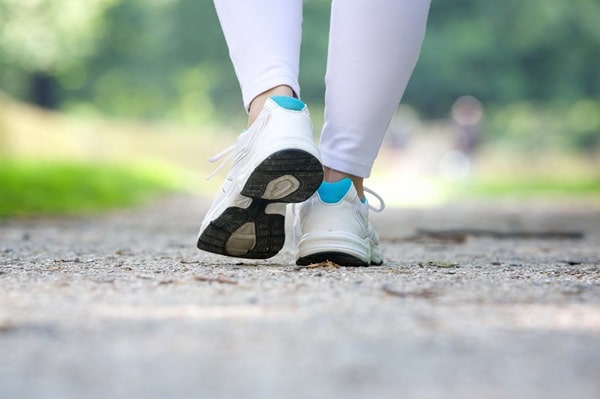
The right gear can make a world of difference in your walking routine. Start with a good pair of walking shoes that offer support and cushioning. Ill-fitting or worn-out shoes can lead to discomfort or even injury, which will undoubtedly derail your weight loss plans. Take the time to get fitted properly, and consider factors like arch support and cushioning when making your selection.
Next, think about clothing. Opt for moisture-wicking fabrics that will keep you dry and comfortable during your walks. Depending on the weather, you may also need layers to keep warm or a light, breathable outfit to stay cool. Additional gear like a pedometer, hydration pack, or even a walking pole can also enhance your walking experience, but they’re not essential. The key is to be as comfortable as possible so that nothing holds you back from achieving your weight loss goals.
Planning Your Walking Route

Choosing the right route for your walking sessions can add an element of excitement and challenge to your routine. A varied route can also help you engage different muscle groups, making your walks more effective for weight loss. Consider incorporating hills or uneven terrain to increase the intensity and calorie burn. Parks, nature trails, and even city streets can offer diverse walking experiences.
There are several apps and tools available to help you find and track your walking routes. These apps often come with features like distance tracking, elevation profiles, and estimated calorie burn, providing you with valuable data to monitor your progress. Additionally, changing your route periodically can keep your walks interesting and mentally engaging, which is crucial for sticking to your weight loss plan.
Incorporating Walking Into Your Daily Routine

One of the best things about walking is its flexibility; you can easily incorporate it into your daily routine without disrupting your schedule. Consider walking to work if it’s feasible or taking a brisk walk during your lunch break. Even small changes, like choosing stairs over elevators or parking farther away from your destination, can add up to significant calorie burn over time.
Making walking a social activity can also help you stick to your routine. Invite friends or family members to join you on your walks, or consider joining a walking group in your community. Social support can be a powerful motivator, and it makes the experience more enjoyable. Plus, having someone to walk with can make you more accountable, increasing the likelihood that you’ll stick to your weight loss goals.
Intensity And Technique

While walking is a low-impact exercise, the intensity and technique you employ can significantly impact its effectiveness for weight loss. Power walking, for example, involves a faster pace and engages your arms, resulting in higher calorie burn. To get the most out of your walks, focus on maintaining a good posture, keeping your back straight, and swinging your arms naturally.
As you become more comfortable with your walking routine, it’s essential to gradually increase the intensity to continue making progress. This could mean walking faster, covering more distance, or incorporating more challenging terrains like hills or trails. Increasing intensity not only boosts calorie burn but also helps improve your cardiovascular health, making it a win-win for your overall well-being.
Tracking Your Progress

Monitoring your progress is crucial for staying motivated and achieving your weight loss goals. Keep a record of each walking session, noting the distance covered, time spent, and how you felt during the walk. This data will help you identify trends, celebrate milestones, and make necessary adjustments to your routine.
Various tools can assist you in tracking your progress. Fitness apps and wearables can automatically log your walking sessions, providing insights into your performance and even offering personalized coaching tips. Alternatively, a simple journal can be just as effective for those who prefer a low-tech approach. Regardless of the method you choose, tracking your progress will keep you accountable and provide the motivation needed to reach your weight loss goals.
Common Mistakes To Avoid
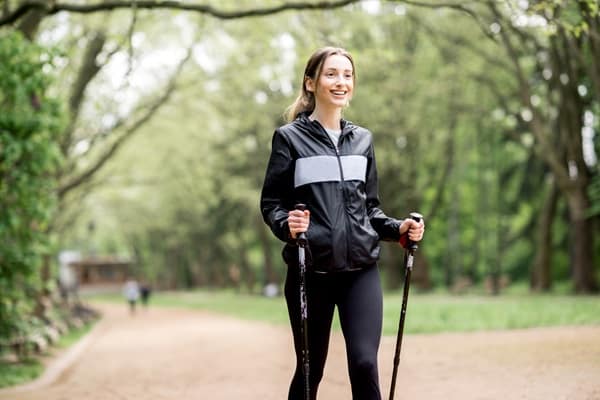
Embarking on a weight loss journey through walking is exciting, but there are pitfalls that can hinder your progress. One common mistake is overexertion, especially for beginners eager to see quick results. Overdoing it can lead to injuries like shin splints or muscle strains, which will set you back in your weight loss goals. It’s crucial to listen to your body and give yourself time to recover between walks.
Another potential roadblock is neglecting other aspects of a healthy lifestyle, such as nutrition and hydration. While walking is an effective exercise for weight loss, it’s not a magic bullet. Consuming a balanced diet rich in nutrients is equally important. Also, staying hydrated before, during, and after your walks ensures that your body functions optimally, making your exercise more effective.
Take The First Step To A Healthier You!
You’ve been armed with the knowledge and tips to make walking a powerful tool in your weight loss arsenal. The journey may be long, but each step you take brings you closer to your goals. So, don’t just stand there; your path to a healthier, lighter you is waiting. Lace-up those walking shoes and take that first transformative step today!