Diabetes, a chronic condition affecting millions globally, is more than just a health issue; it’s a lifestyle challenge. With its various types, including Type 1, Type 2, and gestational diabetes, understanding and managing it becomes crucial for a healthier life. This comprehensive guide offers insights and strategies to effectively manage diabetes. From monitoring blood sugar levels to making informed dietary choices and incorporating regular exercise, this article covers essential aspects of diabetes management. It also delves into the significance of medication adherence, lifestyle modifications, and the importance of regular health check-ups. Embracing these practices can significantly improve the quality of life for those with diabetes.
Contents
- 1 Understanding Diabetes
- 2 Monitoring Blood Sugar Levels
- 3 Dietary Management
- 4 Exercise and Physical Activity
- 5 Medication and Treatment
- 6 Lifestyle Changes and Coping Strategies
- 7 Regular Health Check-Ups and Professional Guidance
- 8 The Role of Technology in Diabetes Management
- 9 Mental Health and Emotional Well-Being
- 10 The Bottom Line
Understanding Diabetes
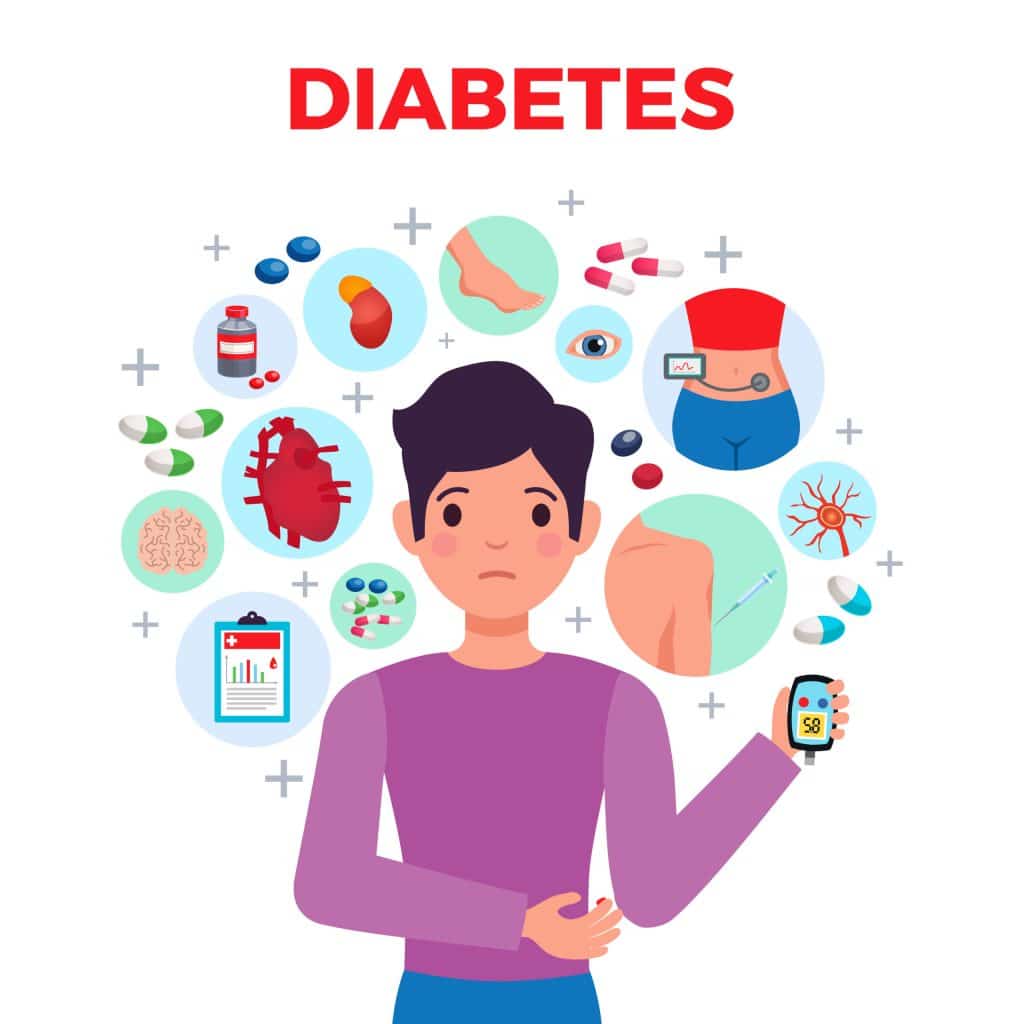
Diabetes, a condition characterized by elevated blood sugar levels, primarily falls into three categories: Type 1, Type 2, and gestational diabetes. Type 1 diabetes, an autoimmune condition, results from the body’s failure to produce insulin. In contrast, Type 2 diabetes, more prevalent, arises from the body’s inability to use insulin effectively. Gestational diabetes occurs during pregnancy and may pose risks to both mother and child. Understanding the type and implications of diabetes is vital for effective management.
Diabetes affects the body in multiple ways, leading to potential complications like heart disease, kidney damage, and nerve problems. Various factors trigger it, including genetics, lifestyle choices, and environmental elements. Recognizing these factors is essential in developing a personalized management plan. Awareness of diabetes functions is the first step toward effective control and management.
Monitoring Blood Sugar Levels
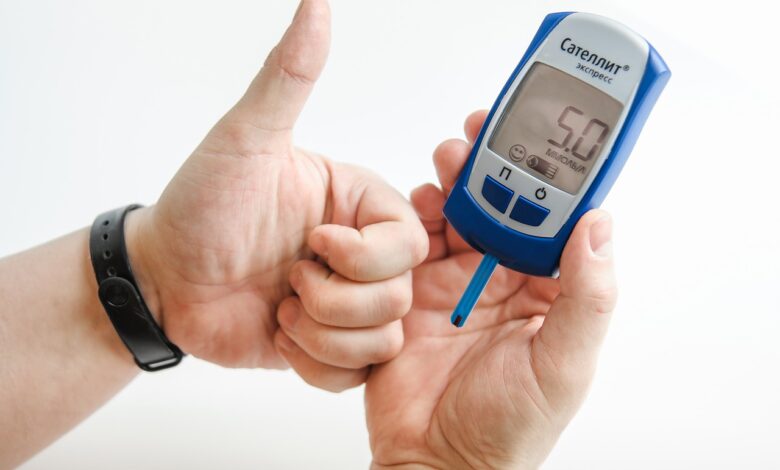
Regular monitoring of blood sugar levels is pivotal in diabetes management. It helps maintain levels within a target range, reducing the risk of complications. Blood sugar monitoring can be done using glucose meters, continuous glucose monitors, or periodic lab tests. Understanding and interpreting these readings are crucial for making informed health decisions.
Fluctuations in blood sugar levels can lead to fatigue, excessive thirst, and blurred vision. Consistent monitoring allows for timely adjustments in diet, exercise, and medication. It empowers individuals with diabetes to take control of their condition, ensuring they stay on top of their health.
Dietary Management

Diet plays a crucial role in managing diabetes. It’s not just about avoiding sugar; it’s about overall nutritional balance. A diet rich in fruits, vegetables, whole grains, and lean proteins can help control blood sugar levels. Portion control and understanding the glycemic index of foods are also key aspects.
Eating regular, balanced meals helps maintain stable blood sugar levels throughout the day. Avoiding processed foods high in sugar and unhealthy fats is equally important. A dietitian can provide personalized dietary advice, ensuring nutritional needs are met while managing blood sugar levels.
Exercise and Physical Activity

Exercise is a powerful tool in diabetes management. Regular physical activity helps control blood sugar levels, reduce cardiovascular risk, and improve overall well-being. A mix of aerobic exercises like walking, cycling, and strength training is beneficial.
Exercise should be tailored to individual capabilities and preferences. It’s important to start slow and gradually increase intensity. Monitoring blood sugar levels before and after exercise is recommended to prevent hypoglycemia, especially for those on insulin or certain diabetes medications.
Medication and Treatment

Medication plays a critical role in diabetes management, especially for those with Type 1 diabetes or advanced Type 2 diabetes. Insulin therapy is commonly prescribed, and it’s essential to adhere to the prescribed regimen. Oral medications are also used, particularly in the management of Type 2 diabetes.
Understanding the types, dosages, and timing of medication is critical. Regular consultations with healthcare providers ensure effective treatment and management of diabetes. Medications should be adjusted based on blood sugar monitoring, dietary changes, and physical activity levels.
Lifestyle Changes and Coping Strategies

Adopting a healthy lifestyle is crucial in managing diabetes. This includes not only dietary and exercise changes but also stress management. Chronic stress can affect blood sugar levels, making stress reduction techniques vital.
Support systems play a significant role in managing diabetes. Joining support groups, involving family and friends, and seeking professional help can make a significant difference. Coping strategies should be personalized and may include activities like meditation, counseling, or hobbies.
Regular Health Check-Ups and Professional Guidance

Regular health check-ups are essential for monitoring diabetes and its complications. These include regular blood sugar tests, A1C tests, eye exams, and foot checks. Working closely with a healthcare team helps track progress and make necessary adjustments.
Healthcare professionals provide invaluable guidance. They can help personalize diabetes management plans, offer nutritional advice, and adjust medications. Building a strong relationship with healthcare providers is key to successful diabetes management.
The Role of Technology in Diabetes Management

Advancements in technology have significantly improved diabetes management. Digital tools like smartphone apps, wearable devices, and insulin pumps aid in monitoring and managing blood sugar levels. These technologies offer real-time data and trends, making tracking and responding to blood sugar changes easier. Using technology effectively can lead to better diabetes control and a more flexible lifestyle.
Additionally, telemedicine has become a valuable resource, especially for those in remote areas or with mobility issues. It allows patients to consult with healthcare providers virtually, ensuring continuous care and support. Embracing technological advancements can greatly enhance the management of diabetes and overall health.
Mental Health and Emotional Well-Being

Living with diabetes can be challenging, not just physically but emotionally as well. Mental health is an integral part of diabetes care. Anxiety, depression, and diabetes distress are common among those dealing with chronic conditions. Addressing these emotional aspects is crucial for holistic diabetes management.
Healthcare providers should be informed about any mental health concerns. Professional support, whether through counseling or therapy, can be beneficial. Self-care practices, such as mindfulness and relaxation techniques, are vital in maintaining emotional well-being.
The Bottom Line
Managing diabetes for a healthier life requires a comprehensive understanding of the condition, regular monitoring, dietary and exercise changes, medication adherence, and lifestyle adjustments. Embracing technology and prioritizing mental health are also vital components. Through proactive management and support, individuals with diabetes can lead healthy, fulfilling lives. This guide serves as a roadmap for those seeking to control their diabetes and improve their overall well-being. Remember, effective diabetes management is a journey, not a destination, and it involves continuous learning, adaptation, and self-care.