Contents
Iron – The Oxygen Carrier

Iron is a vital mineral that plays a significant role in carrying oxygen throughout your body via red blood cells. It’s also crucial for energy production and DNA synthesis. Iron deficiency is one of the most common nutritional deficiencies worldwide and can lead to anemia, a condition characterized by fatigue, weakness, and pale skin. Women of childbearing age and vegetarians are particularly at risk.
To address iron deficiency, consider incorporating more iron-rich foods into your diet. Meat, poultry, and fish are excellent sources of heme iron, which is easily absorbed by the body. Plant-based sources like lentils, beans, and fortified cereals provide non-heme iron, which is less readily absorbed but still beneficial. If you suspect an iron deficiency, consult a healthcare provider for a proper diagnosis and treatment plan, which may include supplements.
Folate – The Cell Manufacturer
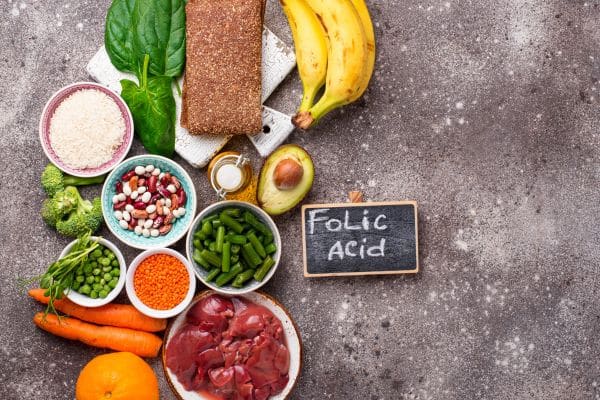
Folate, also known as Vitamin B9, is indispensable for cell division and the synthesis of DNA and RNA. It’s especially crucial during pregnancy, as a deficiency can lead to neural tube defects in the developing fetus. Symptoms of folate deficiency can include fatigue, poor concentration, and irritability, making it a concern for everyone, not just expectant mothers.
To ensure you’re getting enough folate, focus on a diet rich in leafy green vegetables, legumes, and fortified grains. Folic acid, the synthetic form of folate, is also available in supplement form and is often recommended for pregnant women. However, excessive intake can mask a Vitamin B12 deficiency, so it’s crucial to consult a healthcare provider for personalized advice.
Calcium – The Bone Builder

Calcium is the most abundant mineral in your body and is essential for building and maintaining strong bones and teeth. It also plays a role in muscle function, nerve signaling, and blood clotting. Despite its importance, calcium deficiency is common and can lead to weakened bones, dental issues, and, in severe cases, osteoporosis.
Dairy products are the most well-known sources of calcium, but it’s also found in leafy greens, nuts, and fortified plant-based milk. If you’re lactose intolerant or prefer a plant-based diet, these alternatives can help you meet your calcium needs. Supplements are another option but should be used cautiously. Excessive calcium can lead to kidney stones and may interfere with the absorption of other minerals. As always, consult a healthcare provider for a tailored approach to your calcium needs.
Zinc – The Growth Promoter

Zinc is a trace element that is vital in numerous biological functions, including growth, immune response, and wound healing. It’s essential for the activity of over 300 enzymes that aid in metabolism, digestion, and nerve function. Despite its importance, zinc deficiency is not uncommon and can lead to growth retardation, loss of appetite, and a weakened immune system.
To ensure adequate zinc intake, consider incorporating foods like meat, dairy, and nuts into your diet. Plant-based sources like legumes and whole grains also contain zinc but in a less bioavailable form. If you’re concerned about a potential deficiency, zinc supplements are available. However, excessive zinc can interfere with the absorption of other essential minerals like copper, so it’s crucial to consult a healthcare provider for personalized advice.
Ensure You Are Getting The Vitamins You Need!
The path to peak health often lies in the details we overlook, such as the vitamins and minerals discussed today. This isn’t merely a cautionary tale of deficiencies; it’s an invitation to unlock a more resilient, energetic you. The power to elevate your well-being is within reach, often requiring just a few simple adjustments. Don’t settle for just getting by when you could be thriving. Consult a healthcare provider and make the dietary shifts or supplements necessary to fill your nutritional gaps. Seize this opportunity to enrich your health.