Skincare is an integral part of daily life, impacting not only appearance but also overall health. However, beneath the appealing packaging and promises of beauty and care, a less-discussed aspect lurks: the presence of hidden chemicals in skincare products. This article aims to illuminate the reality of these chemicals, exploring their prevalence and potential impacts. By delving into the world of skincare ingredients, the potential risks associated with certain chemicals, and ways to identify them, this piece seeks to empower readers with knowledge, enabling them to make informed decisions about the products they use on their skin.
Contents
- 1 Decoding Skincare Ingredients
- 2 Common Harmful Chemicals In Skincare
- 3 Health Risks Of Chemical Exposure
- 4 Deciphering Product Labels
- 5 Natural And Safer Alternatives
- 6 Regulations And Safety Standards
- 7 Consumer Awareness And Action
- 8 Embracing A Holistic Approach To Skincare
- 9 Join The Movement For Healthier Skin
Decoding Skincare Ingredients
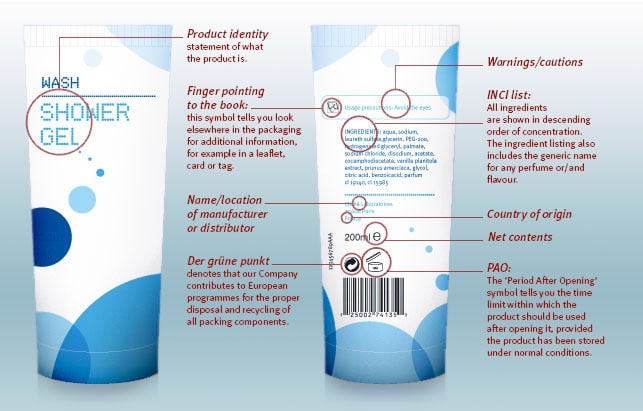
Skincare products are a complex blend of various ingredients, each serving a specific purpose. From moisturizers to cleansers, these ingredients are essential for the product’s efficacy. They range from simple, natural components to complex chemical formulations. Understanding these ingredients is crucial, as it forms the basis of recognizing which ones might be beneficial and which could be potentially harmful. However, the complexity of these formulations often makes it challenging for consumers to discern what exactly they are applying to their skin. This complexity underscores the importance of having a basic knowledge of common skincare ingredients, paving the way for a deeper understanding of their potential impacts.
The role of these ingredients varies widely – some are designed to hydrate the skin, others to cleanse or provide sun protection. Common ingredients like glycerin, for example, are used for their moisturizing properties, while salicylic acid is often found in acne treatments due to its ability to exfoliate and clear pores. However, amidst these beneficial ingredients, there are those that raise concerns. Some chemicals, while effective in their primary role, may have undesirable side effects or long-term health implications. This dichotomy between efficacy and safety is a critical aspect of understanding skincare products.
Common Harmful Chemicals In Skincare
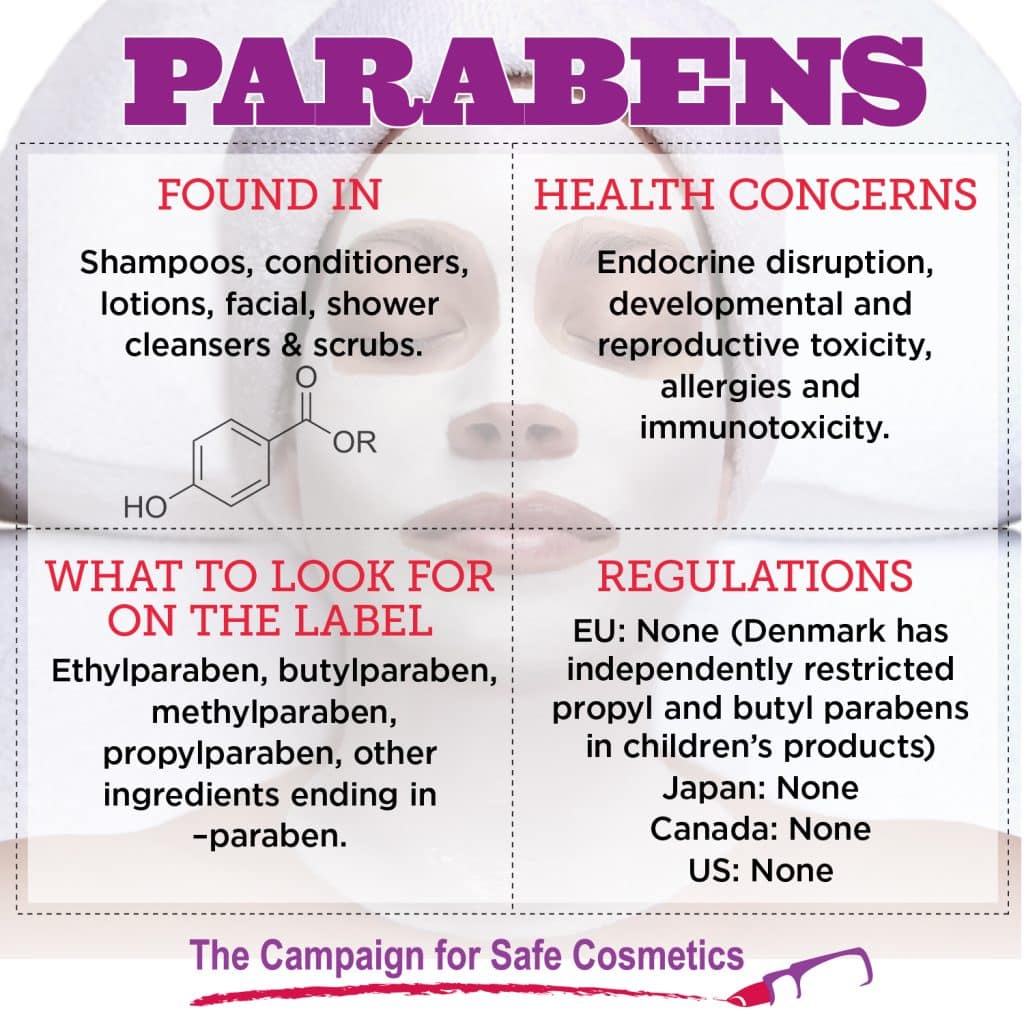
In the realm of skincare, certain chemicals are frequently used despite their potential harm. Parabens, for instance, are a common preservative in many beauty products, but they have been linked to hormonal disruptions. Similarly, sulfates, which create the lather in cleansers and shampoos, can strip the skin of its natural oils, leading to dryness and irritation. These chemicals are often included for their effectiveness in preserving or enhancing the product’s sensory attributes, yet their potential impact on health cannot be ignored.
Another group of chemicals to be wary of includes phthalates and formaldehyde-releasing preservatives. Phthalates, often hidden under the term ‘fragrance’, can disrupt the endocrine system, while formaldehyde, a known carcinogen, can be released over time from certain preservatives. The presence of these chemicals in skincare products is a significant concern, as the skin can absorb them, leading to potential systemic exposure. This highlights the importance of recognizing these harmful chemicals and understanding the reasons behind their inclusion in skincare formulations.
Health Risks Of Chemical Exposure
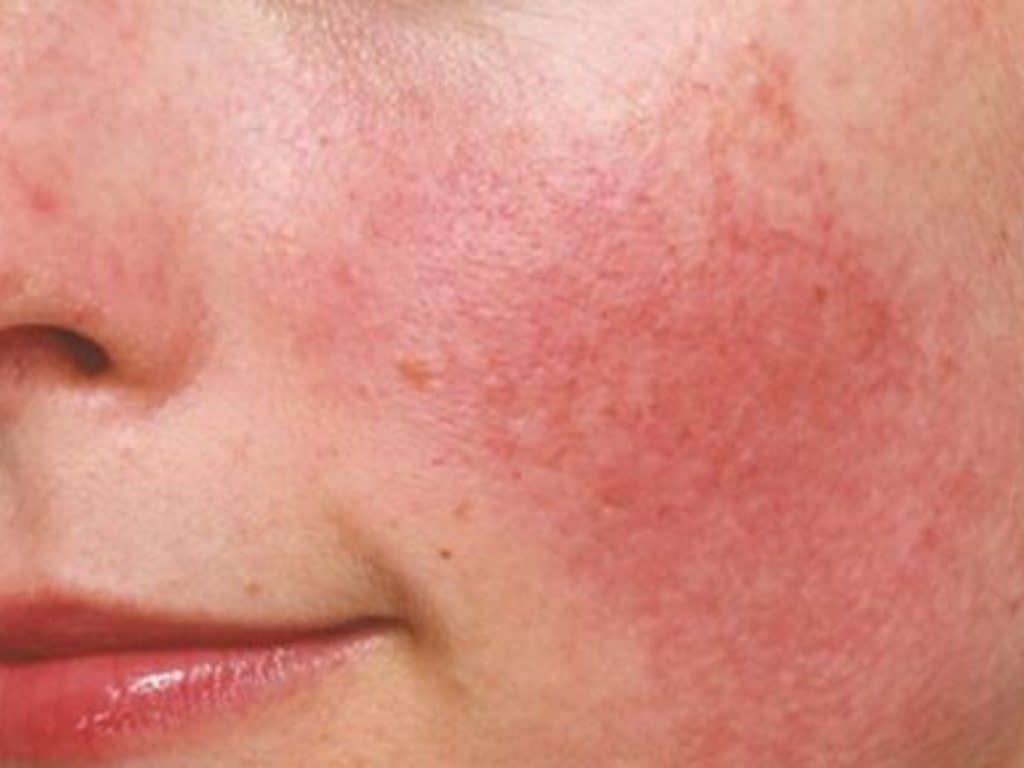
The health risks associated with chemical exposure in skincare are diverse and, in some cases, deeply concerning. Prolonged or repeated exposure to certain chemicals can lead to skin irritation, allergic reactions, and even more severe health issues like hormonal imbalances and increased cancer risk. For instance, studies have linked parabens, commonly used as preservatives, to hormonal disruptions due to their estrogen-mimicking properties. This disruption can have far-reaching effects on the body’s endocrine system, potentially impacting reproductive health and development.
Moreover, chemicals like sulfates, while effective in removing dirt and oil, can excessively strip the skin of its natural oils, leading to dryness, irritation, and, in some cases, exacerbating skin conditions like eczema. The cumulative effect of daily exposure to these chemicals over time raises significant concerns, as the long-term health implications are not yet fully understood. This uncertainty underscores the need for consumers to be aware of the potential risks associated with these chemicals and to consider their cumulative impact on health.
Deciphering Product Labels
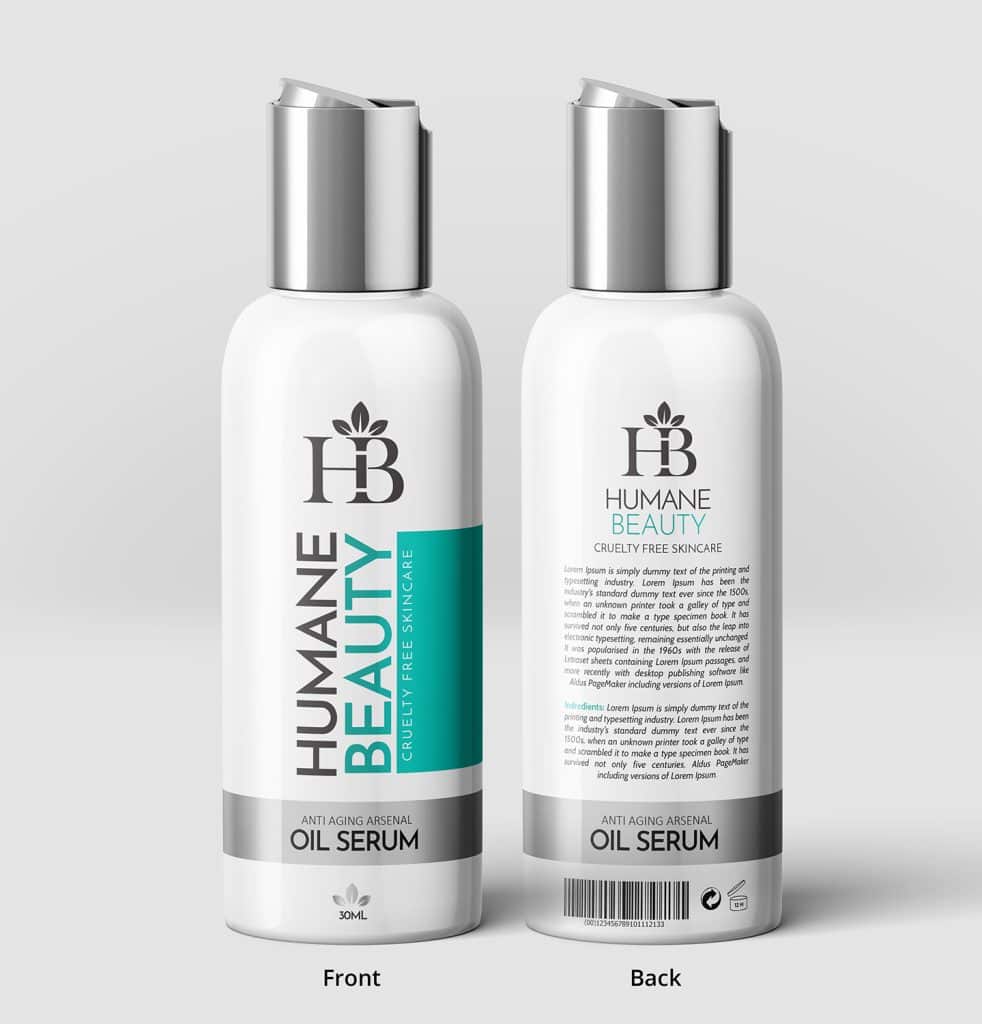
Navigating the world of skincare labels can be a daunting task, with complex ingredient lists and marketing jargon often leading to confusion. Understanding how to read these labels is crucial for identifying potentially harmful chemicals in products. Key to this is recognizing that terms like ‘natural’ and ‘organic’ are not always indicative of a product’s safety, as they can still contain harmful chemicals. These marketing terms are often used to appeal to health-conscious consumers but can be misleading.
To effectively decipher product labels, it’s essential to familiarize oneself with the scientific names of common harmful chemicals. For example, parabens can be identified by names like methylparaben, propylparaben, and butylparaben. Additionally, understanding the order of ingredients, which is typically from highest to lowest concentration, can provide insight into the product’s composition. This knowledge empowers consumers to make informed decisions, steering clear of products with high concentrations of undesirable chemicals. By becoming adept at reading product labels, consumers can take a significant step towards protecting their skin and overall health from potentially harmful substances.
Natural And Safer Alternatives
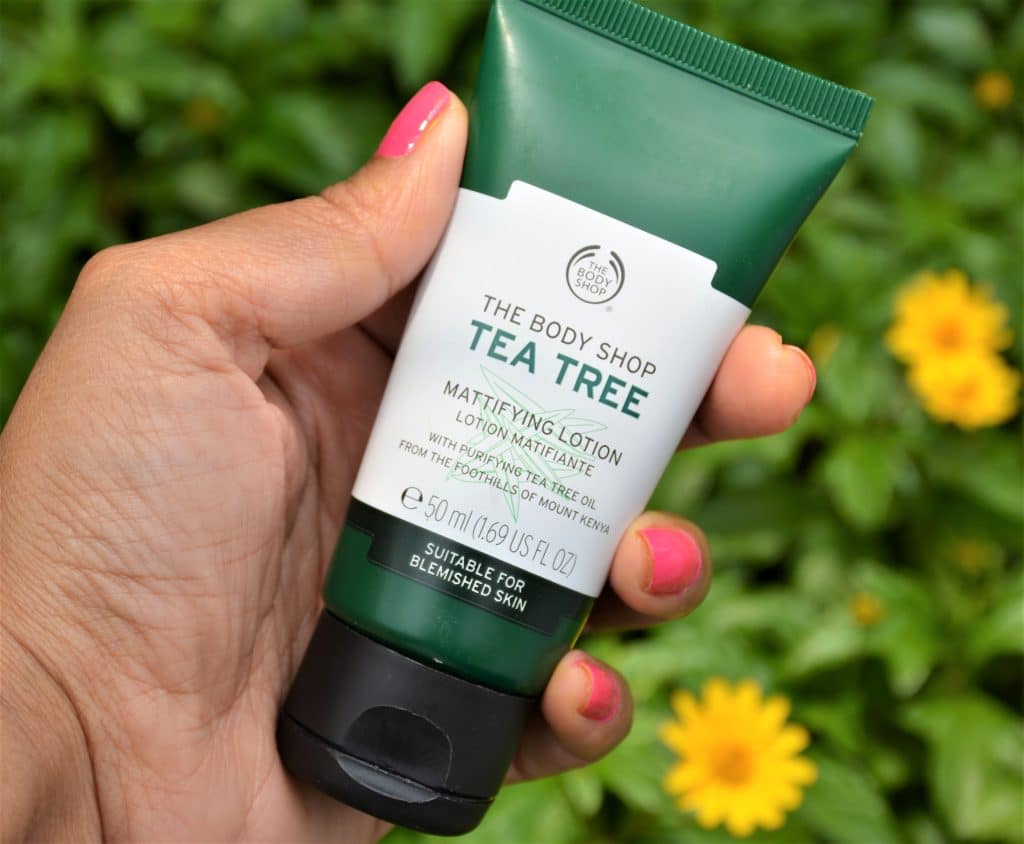
The quest for healthier skin need not be a journey through a minefield of harmful chemicals. Natural and safer alternatives are increasingly available, offering effective skincare solutions without the associated risks of synthetic chemicals. Ingredients like aloe vera, tea tree oil, and shea butter are not only gentle on the skin but also provide nourishing benefits. These natural alternatives often come from plant sources and have been used for centuries in traditional skincare remedies. Their resurgence in modern skincare is a testament to their efficacy and safety, providing a viable option for those seeking to avoid harmful chemicals.
However, it’s important to note that ‘natural’ doesn’t always equate to ‘safe.’ Some natural ingredients can be irritants or allergens for certain skin types. Therefore, it’s crucial to understand one’s skin and its reactions to different ingredients, whether natural or synthetic. Researching and patch-testing products can help in identifying what works best for individual skin needs. The growing market for natural skincare also means more options and better availability, making it easier for consumers to make the switch to safer, more natural products.
Regulations And Safety Standards
Navigating the world of skincare safety is not just about individual choices; it also involves understanding the regulatory landscape. Regulations and safety standards play a crucial role in ensuring the products on the shelves are safe for use. In many countries, regulatory bodies like the FDA in the United States oversee the safety of cosmetics and skincare products. These organizations set guidelines for ingredient use, labeling, and marketing claims. However, the cosmetics industry often operates in a space where rapid innovation can outpace regulation, leading to gaps in safety standards.
These regulatory gaps mean that not all harmful chemicals are banned or restricted in skincare products. For instance, certain chemicals banned in the European Union may still be found in products in other regions. This discrepancy highlights the importance of being vigilant and informed about the regulations in one’s country. Consumers should not solely rely on regulatory bodies for protection but also take an active role in educating themselves about product safety. Advocacy for stricter regulations and safer products is also a crucial part of ensuring overall consumer safety in the skincare industry.
Consumer Awareness And Action

The power to drive change in the skincare industry significantly lies in the hands of consumers. Awareness and action are key components in advocating for safer skincare products. Staying informed about the latest research and developments in skincare ingredients helps consumers make better choices. This can involve following reputable sources, participating in community discussions, or even attending workshops and seminars on skincare safety. Knowledge is power, and in the context of skincare, it equips consumers to make choices that align with their health and ethical values.
Moreover, consumer advocacy plays a pivotal role in pushing for industry change. By choosing to support brands that are transparent about their ingredients and ethical in their practices, consumers can drive demand for safer, more sustainable products. Writing to companies, participating in campaigns, and using social media platforms to raise awareness are ways to voice concerns and influence industry practices. Collective consumer action has the potential to bring about significant changes in how skincare products are formulated and marketed, leading to a safer and more transparent industry.
Embracing A Holistic Approach To Skincare

In the journey towards safer skincare, adopting a holistic approach is beneficial. This means looking beyond just the ingredients and considering the overall health and lifestyle factors that impact skin health. Diet, hydration, stress levels, and environmental factors play a significant role in skin health. Incorporating a balanced diet rich in antioxidants, staying hydrated, managing stress, and protecting the skin from environmental damage are all crucial for maintaining healthy skin.
Additionally, a holistic approach involves being mindful of the skincare routine itself. It’s not just about eliminating harmful chemicals but also about not overburdening the skin with too many products or procedures. Understanding one’s skin type and needs, choosing products wisely, and giving the skin time to breathe and rejuvenate are essential aspects of holistic skincare. This approach ensures the use of safer products and promotes overall skin health and well-being, leading to a more sustainable and mindful skincare practice.
Join The Movement For Healthier Skin
Understanding the hidden chemicals in skincare products is crucial for making informed decisions about what you apply to your skin. This knowledge empowers you to choose safer, healthier alternatives and advocate for stricter industry regulations. Now is the time to commit to being vigilant, educating yourself, and supporting brands that prioritize safety and transparency. By taking these steps, you can protect your health and contribute to a shift toward a more responsible and health-conscious skincare industry.