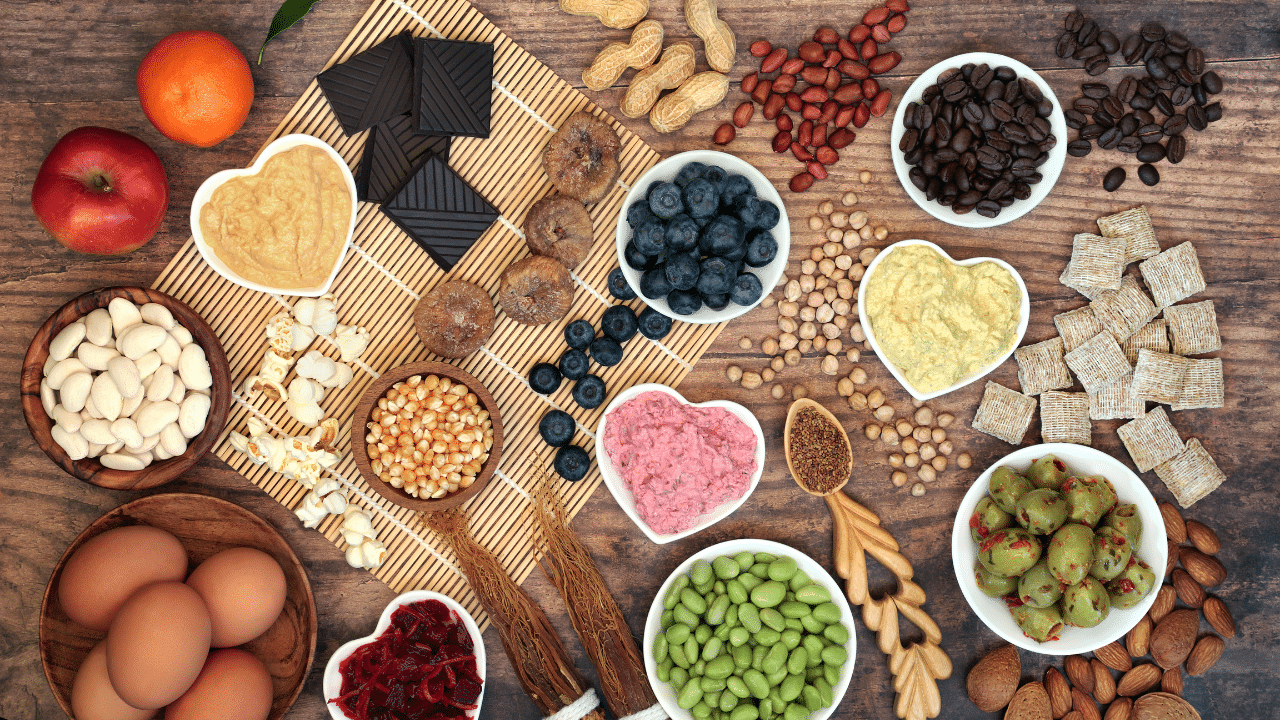
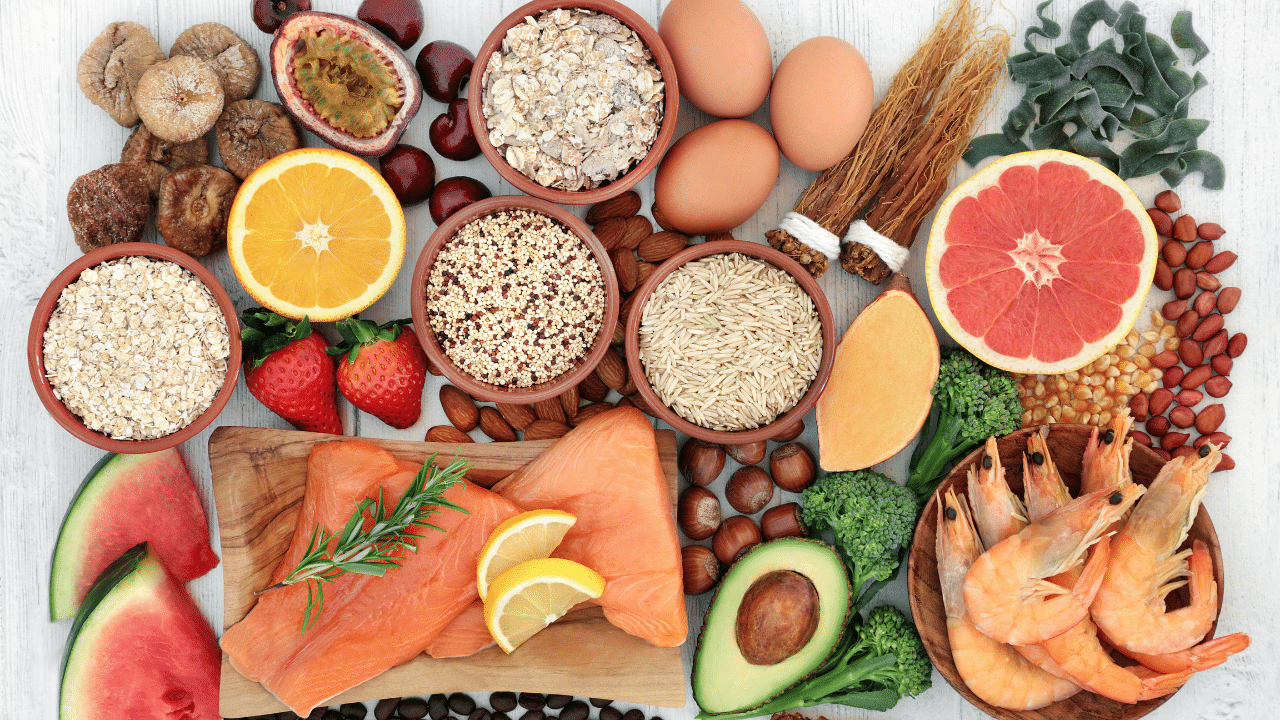
Morning smoothies are often celebrated as a quick and easy way to get essential nutrients into your diet. With a blend of fruits, vegetables, and sometimes superfoods, they seem like the perfect healthy meal option. However, beneath the surface, your smoothie could be harboring hidden dangers that turn this nutritious drink into something less beneficial. From excessive sugar and hidden calories to imbalanced nutrition, there are several pitfalls that many people unknowingly fall into. Understanding these risks will help you make smarter, healthier choices without compromising taste or convenience in your daily routine.
Contents
Too Much Sugar is Sneaking In

While fruit is a core ingredient in most smoothies, it can also be a source of excessive sugar. High-sugar fruits like bananas, pineapples, and mangoes, though nutritious, can quickly raise the sugar content of your smoothie. While this sugar is natural, it still affects your body similarly to processed sugars, spiking your blood sugar and leading to energy crashes later in the day. This can be especially problematic for those trying to manage weight, blood sugar levels, or reduce their sugar intake overall.
In addition to natural sugars, many people unknowingly add extra sweeteners. Ingredients like honey, agave syrup, and flavored yogurts may seem like healthy options, but they can dramatically increase the sugar load. Even store-bought smoothie mixes often contain hidden sugars, turning what should be a nutritious meal into a calorie bomb. Over time, these frequent sugar spikes may contribute to weight gain, insulin resistance, and even an increased risk of developing Type 2 diabetes if not properly managed.
Protein Overload or Deficiency
Protein is a vital part of a balanced diet, but getting the right amount in your smoothie can be tricky. Many people add protein powders to their morning smoothies, but too much can actually be harmful. Overloading protein powder, especially those with artificial ingredients, can lead to digestive discomfort and, in some cases, may even strain your kidneys. This is particularly important for people who are not highly active, as they may not need the extra protein that these powders provide.
On the other hand, some smoothies completely lack sufficient protein, leaving you unsatisfied and hungry not long after finishing your drink. Protein helps stabilize blood sugar levels and keeps you feeling fuller for longer, making it an essential component of any meal. A smoothie low in protein might seem like a light, healthy option, but it can lead to overeating later in the day. Incorporating clean protein sources like Greek yogurt, almond butter, or plant-based protein powders can help create a more balanced and filling smoothie.
Hidden Calories Add Up Quickly

Smoothies may seem like a low-calorie, healthy option, but calorie-dense ingredients can quickly add up without you realizing it. Common smoothie additions like nut butters, chia seeds, and coconut oil are packed with nutrients, but they are also high in calories. While healthy fats are important for a balanced diet, too much of these calorie-dense ingredients can cause your smoothie to become a high-calorie meal. This is especially true when portions are not measured, leading to unintentional overeating.
Another hidden source of calories is oversized portions. Many smoothies are served in large containers, making it easy to drink more than you need. Unlike solid food, drinking your calories doesn’t provide the same level of satiety, so it’s easy to consume more than your body requires. This can lead to weight gain over time if it becomes a regular habit. Keeping portion sizes in check and being mindful of calorie-dense ingredients is essential for maintaining a balanced diet.
Artificial Ingredients in Pre-Made Smoothies

Pre-made smoothies might seem like a convenient option when you’re short on time, but they often contain hidden artificial ingredients that detract from their health benefits. Many store-bought smoothies are packed with preservatives to extend shelf life, as well as artificial flavors and colors to enhance taste and appearance. These additives can negatively impact your health, contributing to inflammation and other long-term issues. What starts as a quick grab-and-go breakfast may be filled with chemicals that undermine your efforts to eat healthily.
Even smoothies marketed as “natural” or “organic” aren’t always free from unwanted additives. Brands may use thickening agents, stabilizers, and flavor enhancers to improve the texture and flavor, which can reduce the nutritional value of the drink. To avoid these artificial ingredients, it’s best to make smoothies at home using whole, unprocessed foods. This way, you control exactly what goes into your drink, ensuring it’s packed with nutrients rather than fillers and chemicals.
Overloading on Fruits, Skipping Vegetables

One common mistake in smoothie-making is overloading on fruits while neglecting vegetables, leading to an imbalance in nutrition. While fruits provide essential vitamins and antioxidants, they also contain natural sugars that can add up quickly. Smoothies loaded with fruit and no vegetables may lead to an excessive intake of sugar, which can impact blood sugar levels and contribute to weight gain. This lack of balance can prevent you from getting the full spectrum of nutrients that a more diverse smoothie could provide.
Vegetables, particularly leafy greens like spinach and kale, are nutrient powerhouses that are often overlooked in smoothies. These greens are low in calories, high in fiber, and rich in vitamins like A, C, and K, making them an ideal addition to any smoothie. Adding a handful of greens can significantly improve the nutritional content of your smoothie without dramatically changing its taste. By balancing fruits and vegetables, you can ensure your smoothie supports your health goals without overloading on sugar.
Potential Allergens and Food Sensitivities
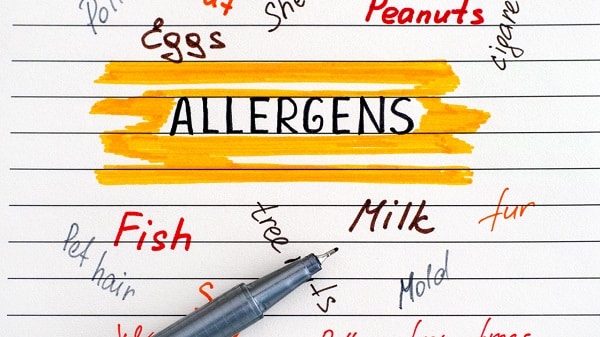
Another hidden danger in smoothies is the potential for allergens and food sensitivities. Common ingredients like nuts, dairy, soy, and certain fruits can trigger allergic reactions or cause digestive issues for some individuals. Even if you’ve been drinking smoothies for a while without noticing any immediate symptoms, you may still be experiencing underlying food sensitivities. These can lead to issues like bloating, fatigue, and skin problems that might go unnoticed or be attributed to other factors.
For those with known allergies or sensitivities, it’s crucial to check ingredient labels carefully, especially when using pre-made smoothie mixes or protein powders. Experimenting with allergen-free alternatives, such as using almond milk instead of dairy milk or opting for seed butters instead of nut butters, can help reduce the risk of reactions. Being mindful of potential allergens ensures that your smoothie is not only nutritious but also safe for your body.
Making Smarter Choices for a Healthier Smoothie
While smoothies can be a convenient and nutritious option, it’s essential to be aware of the hidden dangers that may be lurking in your daily blend. From excess sugar and calorie-dense ingredients to artificial additives and potential allergens, small oversights can turn a healthy smoothie into a health risk. By focusing on whole, unprocessed ingredients and maintaining a balanced mix of fruits, vegetables, and protein, you can enjoy a nutrient-packed smoothie without the drawbacks. Making informed choices ensures your smoothie supports your health goals rather than hindering them.