Ayurveda, an ancient medical system rooted in India, offers a holistic approach to wellness, emphasizing balance and natural healing. Central to this practice is detoxification, a process designed to purify the body and restore equilibrium among the mind, body, and spirit. Ayurvedic detoxification, or Panchakarma, targets the removal of Ama— toxic substances accumulated due to diet, lifestyle, and environmental factors. This introductory exploration into Ayurvedic detoxification seeks to unveil the scientific rationale behind traditional practices, offering insights into how ancient wisdom aligns with contemporary health principles. Through a comprehensive look at the procedures, diets, and daily routines recommended by Ayurveda, readers will discover the potential of these time-tested methods in promoting health and preventing disease.
Contents
- 1 The Principles of Ayurveda
- 2 Understanding Ama: The Ayurvedic Perspective on Toxins
- 3 The Process of Ayurvedic Detoxification
- 4 Ayurvedic Diet and Herbal Remedies
- 5 Daily Practices for Detoxification
- 6 The Science and Research Behind Ayurvedic Detoxification
- 7 Modern Adaptations of Ayurvedic Detoxification
- 8 The Impact of Ayurvedic Detoxification on Mental Health
- 9 A Renewed Vision for Health and Well-being
The Principles of Ayurveda
Ayurveda’s foundation lies in the concept of the doshas, Vata, Pitta, and Kapha, representing the vital energies that govern physical and psychological functions. Balance among these doshas is essential for health, while imbalance leads to disorders. Ayurvedic detoxification aims to restore this balance, addressing the root cause of illness rather than just treating symptoms. The science of Ayurveda also emphasizes the importance of a holistic approach—integrating physical, mental, and spiritual well-being—recognizing that many factors, including diet, lifestyle, and environmental conditions, influence health.
Understanding Ama: The Ayurvedic Perspective on Toxins

In Ayurveda, Ama refers to the toxins that accumulate in the body, obstructing normal physiological processes and impairing health. Ama is believed to result from improper digestion, which can stem from eating unsuitable foods, overeating, or consuming food in a negative emotional state. These toxins are physical and can also pertain to emotional and psychological waste that affects the mind and spirit. The accumulation of Ama is linked to the onset of various diseases and is seen as the primary cause of imbalance and ill health. Therefore, Detoxifying Ama’s body through Ayurvedic practices is crucial for maintaining health and vitality.
The Process of Ayurvedic Detoxification

Panchakarma, the cornerstone of Ayurvedic detoxification, involves procedures designed to systematically remove Ama from the body. This intensive process typically includes preparatory measures (like oleation and fomentation), main procedures (such as vomiting, purgation, enemas, nasal administration, and bloodletting), and post-treatment care, aiming to cleanse the body thoroughly. Tailored to individual needs based on dosha imbalances, Panchakarma represents Ayurveda’s personalized approach to detoxification, highlighting the system’s depth and complexity.
Ayurvedic Diet and Herbal Remedies

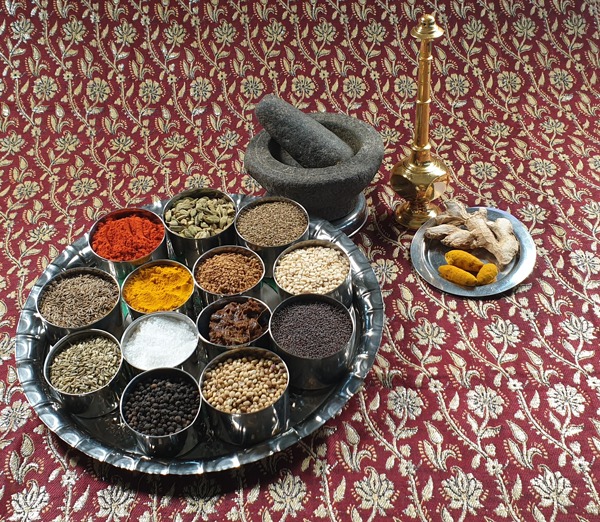
Diet plays a pivotal role in Ayurvedic detoxification. Foods are selected based on their ability to balance the doshas and minimize Ama production. An Ayurvedic diet often includes whole grains, legumes, vegetables, fruits, and specific herbs and spices known for their purifying and balancing properties. Turmeric, ginger, cumin, and coriander are staples for flavor and health benefits. Herbs like Triphala, ashwagandha, and neem may also be prescribed to support detoxification and rejuvenation. Combined with herbal remedies, this dietary approach is designed to strengthen agni (digestive fire), eliminate toxins, and promote overall well-being.
Daily Practices for Detoxification

Ayurveda advocates for daily routines to support the body’s natural detoxification processes. Yoga and meditation are recommended to enhance physical health and mental clarity. Other routines include tongue scraping to remove Ama from the oral cavity, oil pulling for oral health, and dry brushing to stimulate the lymphatic system. These practices, integral to an Ayurvedic lifestyle, underscore the system’s preventive and holistic approach to health, emphasizing the importance of regular self-care for detoxification and well-being.
The Science and Research Behind Ayurvedic Detoxification

Despite its ancient roots, Ayurvedic detoxification practices have attracted scientific interest, with research exploring their mechanisms and efficacy. Studies have begun to illuminate how Ayurvedic principles—such as enhancing digestive fire and eliminating toxins—can lead to improved health outcomes. However, due to its holistic and individualized approach, the scientific community faces challenges in studying Ayurveda. Despite these hurdles, anecdotal evidence and preliminary studies suggest that Ayurvedic detoxification can significantly impact health, warranting further research and exploration.
Modern Adaptations of Ayurvedic Detoxification

In today’s fast-paced world, Ayurvedic detoxification practices have been adapted to fit modern lifestyles, illustrating the timeless relevance of these ancient techniques. Technology and innovation have introduced new ways to incorporate Ayurvedic principles into daily routines, making detoxification practices more accessible to people around the globe. From mobile apps that guide users through detoxifying yoga sequences and meditation sessions to online platforms offering personalized Ayurvedic diet plans, integrating traditional wisdom with modern conveniences has never been smoother. Furthermore, Ayurvedic supplements and detox kits are now widely available, allowing individuals to experience the benefits of herbal remedies and detoxification processes without extensive preparation or visits to specialized clinics. These modern adaptations ensure that the essence of Ayurvedic detoxification remains intact, bridging ancient practices and contemporary health needs.
The Impact of Ayurvedic Detoxification on Mental Health

The Ayurvedic approach to detoxification extends beyond the physical, addressing mental and emotional well-being as a crucial aspect of overall health. Practices such as meditation and pranayama (breath control), aimed at clearing mental clutter and emotional toxins, are integral to detox. This holistic view recognizes the inseparable link between the mind and body, advocating for a balanced lifestyle that nurtures both. The impact of these practices on mental health is profound, with many reporting enhanced clarity, reduced stress, and improved emotional resilience. Ayurveda’s comprehensive approach to detoxification, by addressing the mental and emotional layers of well-being, offers a complete cleansing experience that rejuvenates the mind, body, and spirit.
A Renewed Vision for Health and Well-being
The exploration of Ayurvedic detoxification reveals a profound truth: balance, natural healing, and holistic wellness are as relevant today as they were thousands of years ago. This ancient wisdom, when applied through the lens of modern science and adapted to fit contemporary lifestyles, offers a renewed vision for health and well-being. As we move forward, integrating Ayurvedic practices into daily life promises to detoxify and rejuvenate the body and inspire a more harmonious relationship with ourselves and the world around us. In embracing the science and spirit of Ayurvedic detoxification, we open the door to a healthier, more balanced way of living, marking a return to natural wellness that can sustain us in the future.