Genetics, the very fabric of our being, plays a pivotal role in shaping our health beyond determining the color of our eyes or the height we reach. A complex interplay of genes passed down through generations influences our susceptibility to diseases, our mental health, and even our response to diet and exercise. This article delves into the hidden aspects of genetics in health, exploring how our DNA predisposes us to certain health conditions and interacts with our environment, influencing our overall well-being. By understanding the secret role of genetics, we can better navigate the path to personalized health strategies, tailored nutrition, and fitness plans, ultimately uncovering the keys to longevity.
Contents
The Genetic Blueprint: Understanding the Basics
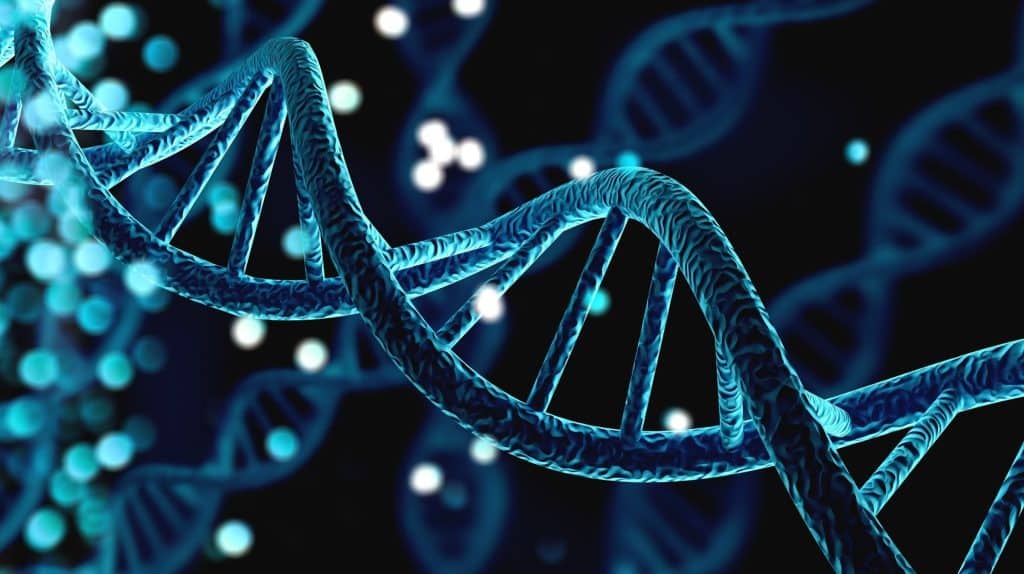
Genetics is the foundation of our biological makeup, encoding the instructions for all living organisms’ development, functioning, and reproduction. Each strand of DNA contains thousands of genes, tiny segments responsible for a myriad of traits and functions. These genetic codes are inherited from our parents, mixing and matching to create a unique genetic profile for each individual. Beyond dictating physical characteristics, these genes hold clues to our health, influencing the likelihood of developing certain diseases and conditions.
The connection between genetics and health is undeniable. Genetic variations can significantly increase the risk of developing diseases like cancer, heart disease, and diabetes. For example, mutations in the BRCA1 and BRCA2 genes are well-known for their link to an increased risk of breast and ovarian cancer. Understanding these genetic influences is crucial for early detection and prevention, highlighting the importance of genetics in health management and disease prevention strategies.
Beyond Physical Traits: Genetics and Disease Risk
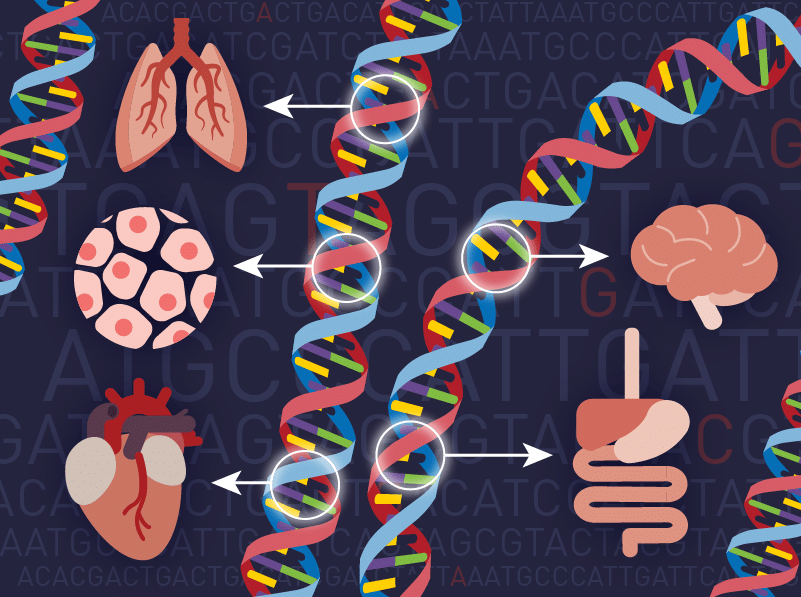
Genetics significantly influences the risk of developing various diseases, with some individuals inheriting a higher susceptibility to certain conditions. This genetic predisposition does not guarantee the development of a disease but indicates a higher risk compared to the general population. For instance, certain gene mutations are associated with a higher risk of hereditary diseases like cystic fibrosis and Huntington’s disease, showcasing the direct link between genetics and health.
Advancements in genetic testing have revolutionized our approach to disease prevention and management. By identifying genetic predispositions to diseases, individuals can take proactive steps toward monitoring and reducing their risk. However, it’s important to approach genetic testing cautiously, understanding its limitations and ethical implications. While it offers invaluable insights into one’s health, it also raises questions about privacy, discrimination, and the psychological impact of knowing one’s genetic risks.
The Interplay Between Genetics and the Environment

The relationship between genetics and environment is dynamic and significantly impacts health outcomes. Genes set the stage, but environmental factors like diet, lifestyle, and exposure to toxins can either mitigate or exacerbate genetic predispositions. For example, someone genetically predisposed to type 2 diabetes may never develop the condition with proper diet and regular exercise, illustrating how lifestyle choices can influence genetic risks.
This gene-environment interaction highlights the importance of personalized health recommendations. Understanding one’s genetic makeup can inform more effective lifestyle modifications, from dietary changes to exercise routines, tailored to reduce the risk of diseases. It underscores the potential of genetics in guiding preventative health measures, ensuring that individuals can make informed choices to optimize their health.
Genetics and Mental Health: An Emerging Field

The link between genetics and mental health is a burgeoning field of research, shedding light on the hereditary aspects of psychological conditions. Studies have identified genetic markers associated with an increased risk of developing mental health disorders such as depression and schizophrenia. These findings suggest a complex interplay between genetics, brain chemistry, and environmental factors, pointing to the genetic underpinnings of mental health.
Despite the promise of genetic testing in mental health, the field faces significant challenges. The complexity of the human brain and the multifaceted nature of mental health disorders make pinpointing specific genetic causes difficult. Moreover, ethical privacy concerns, the potential for stigma, and the implications of genetic determinism in mental health care persist. Nonetheless, the potential for personalized treatment plans based on genetic information holds great promise for the future of mental health treatment.