Contents
Nutrition and Genetics: Eating According to Your Genes

The field of nutrigenomics explores how genetic variations affect individual responses to nutrients, ushering in the era of personalized nutrition. For example, certain genetic markers can influence how one metabolizes caffeine or processes dietary fats, affecting health outcomes like heart disease risk and weight gain. This insight into the genetic influences on metabolism and dietary sensitivities opens the door to customized nutrition plans that optimize health based on one’s DNA.
The impact of genetics on metabolic health is profound. Individuals with specific genetic profiles may be more susceptible to obesity, diabetes, or lactose intolerance, guiding the development of personalized diet plans. Genetic testing for these markers enables tailored dietary recommendations, moving beyond one-size-fits-all dietary guidelines to embrace a more personalized approach to nutrition and health.
Fitness and Genetics: Tailoring Your Workout Regimen
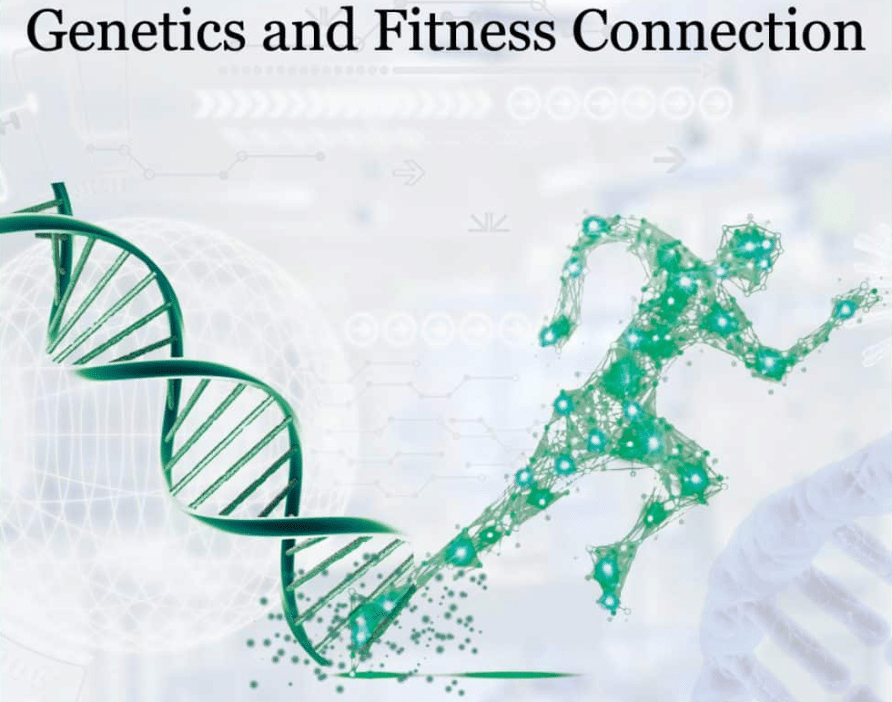
Genetic factors are crucial in determining muscle composition, exercise response, and injury risk, affecting one’s fitness journey. Variations in genes can influence whether an individual is predisposed to excel in endurance sports or power-based activities, guiding personalized training regimens. Understanding these genetic predispositions can help individuals optimize their fitness routines, maximizing results while minimizing the risk of injury.
The advent of genetic testing for fitness purposes has opened new avenues for personalized exercise planning. Individuals can tailor their workout regimens to suit their genetic makeup by identifying genetic strengths and weaknesses and aligning their fitness goals with their biological predispositions. This personalized approach enhances performance and results and contributes to a more enjoyable and sustainable fitness journey.
Longevity and Genetics: The Secrets to a Longer Life

Research into the genetic markers associated with longevity offers fascinating insights into the secrets of a long life. Studies have identified specific genes linked to increased lifespan and resilience against age-related diseases, providing clues to the biological mechanisms of aging. For instance, variations in the FOXO3 gene are associated with exceptional longevity, suggesting that genetics significantly determines lifespan.
While genetics provides a baseline for potential longevity, lifestyle choices, and technological advancements can influence one’s genetic destiny. Healthy lifestyle modifications, such as a balanced diet, regular exercise, and stress management, can mitigate genetic risks and extend lifespan. Exploring genetic manipulation and anti-aging technologies raises ethical questions about how we should intervene in the natural aging process, highlighting the ongoing debate in the quest for longevity.
Shaping the Future of Personalized Health
The secret role of genetics in health is a testament to the complexity and intricacy of human biology. From determining disease risk to influencing our response to diet and exercise, genetics plays a pivotal role in shaping our health and well-being. Yet, the interplay between our genes and lifestyle choices ultimately dictates our health outcomes. By embracing the insights provided by genetics, we can tailor our health strategies to our unique genetic profiles, optimizing our health and paving the way for a future where personalized medicine becomes the norm. As we unravel the mysteries of our DNA, the potential for improving health outcomes through genetic understanding grows, offering hope for a healthier, more informed society.