Contents
Lack Of Sleep

Adequate sleep is crucial for eye health, yet often neglected. Consistent lack of sleep can lead to eye irritation, dryness, and decreased blink rate, which are essential for keeping the eyes lubricated and healthy. Over time, sleep deprivation can exacerbate conditions like dry eye syndrome and impact the eyes’ ability to repair and regenerate. Ensuring sufficient and quality sleep is an important step in caring for the eyes, as it allows them to rest and recover from the day’s stressors.
Beyond the immediate discomfort, chronic sleep deprivation can have more serious implications for eye health. Studies have shown a correlation between lack of sleep and increased risk of glaucoma, a condition characterized by increased pressure in the eye that can lead to vision loss. Establishing a regular sleep schedule, ensuring a comfortable sleep environment, and addressing any sleep disorders can have a positive impact on both overall health and specifically on maintaining good eyesight.
Improper Eye Care And Hygiene

Eye hygiene and proper care are fundamental in preserving eyesight, yet these practices are often disregarded. Everyday habits, such as rubbing the eyes with unclean hands, can introduce harmful bacteria and lead to infections. Regular cleaning of eyewear and contact lenses is essential to prevent eye irritation and infections. Moreover, using outdated prescription lenses can strain the eyes, leading to headaches and further vision problems. Eye care involves regular check-ups to ensure that prescriptions are up to date and that no underlying conditions are developing.
Another aspect of eye care is the proper use of cosmetics around the eyes. Expired or improperly applied eye makeup can cause irritation, allergic reactions, or infections. It is important to regularly replace eye makeup, especially mascara, and to remove it thoroughly before sleep to prevent any particles from entering the eye. Additionally, while participating in sports or other physical activities, wearing appropriate protective eyewear can prevent traumatic injuries to the eyes.
Health Conditions And Medications
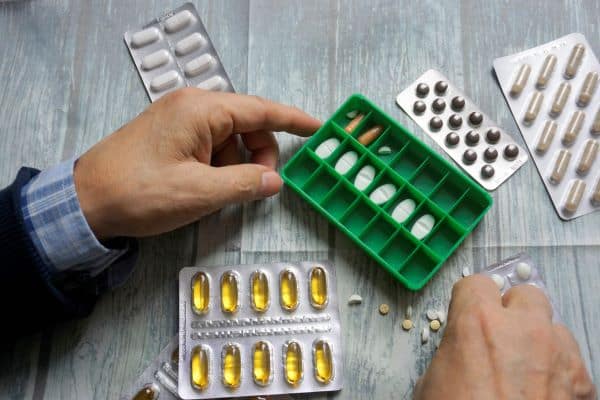
Certain health conditions and medications can have a direct impact on eyesight. Conditions like diabetes and hypertension can lead to eye diseases such as diabetic retinopathy and hypertensive retinopathy. Both conditions involve damage to the blood vessels in the retina, potentially leading to vision loss if not managed properly. Regular monitoring and management of these health conditions are critical in preventing associated eye complications.
Some medications, including certain steroids, antihistamines, and antidepressants, can have side effects that affect the eyes. For example, they can cause dry eye, glaucoma, or cataracts. Patients should always discuss their medications with healthcare providers and undergo regular eye examinations to monitor any potential side effects on vision. Awareness and proactive management of these health and medication issues are vital in maintaining healthy eyesight.
The Bottom Line
Eyesight is a precious sense that requires ongoing care and attention. This blog post has highlighted various factors that can damage eyesight, from lifestyle habits like excessive screen time and smoking to environmental factors such as UV radiation. It’s clear that maintaining eye health involves a combination of good habits, proper nutrition, and regular eye check-ups. By being aware of these factors and taking proactive steps to mitigate them, individuals can significantly enhance their chances of preserving good eyesight throughout their lives. Remember, the key to good eye health lies in both prevention and timely intervention.