Skip to content

This Vitamin Can Add YEARS to Your Life (Most Seniors Don’t Take It!)

  • by

Aging is a natural process, but the right nutrients can make a significant difference in how well the body ages. While many seniors focus on common vitamins like Vitamin C and calcium, there is one essential vitamin that is often overlooked despite its profound impact on longevity. This powerful nutrient has been scientifically linked to improved heart health, stronger bones, and even better brain function, yet most seniors fail to get enough of it in their diet. Research suggests that incorporating this vitamin into daily routines could add years to life expectancy. Understanding its benefits and sources can be life-changing for older adults looking to maintain their health and independence.

The Overlooked Vitamin That Supports Longevity
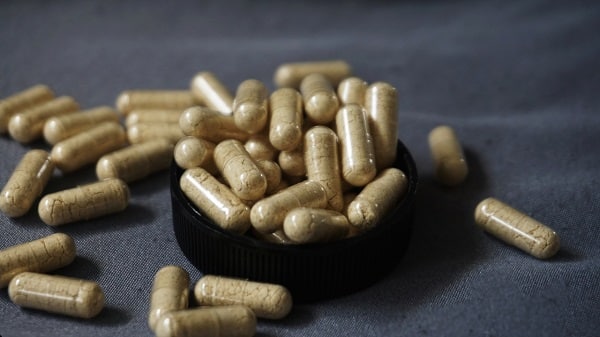
Among the many nutrients that contribute to a longer, healthier life, Vitamin K2 stands out as one of the most underrated. Unlike its more famous counterpart, Vitamin K1, which is primarily involved in blood clotting, Vitamin K2 plays a crucial role in directing calcium to the bones and away from the arteries. Studies show that those with higher levels of Vitamin K2 are less likely to suffer from heart disease, osteoporosis, and other age-related conditions. Despite its significant benefits, this vitamin remains largely ignored in mainstream nutrition discussions, and many seniors do not realize they are deficient.

One reason Vitamin K2 is so often overlooked is that it is not commonly found in standard multivitamins. Many doctors and nutritionists focus on more well-known vitamins like Vitamin D or B12, leaving Vitamin K2 off the radar for most older adults. Additionally, the Western diet is naturally low in foods rich in Vitamin K2, making it difficult to obtain sufficient levels through diet alone. Deficiency in this vitamin has been linked to increased risks of arterial calcification, fractures, and even cognitive decline, all of which can shorten lifespan. Understanding the importance of Vitamin K2 and incorporating it into daily nutrition can help seniors take control of their health and improve their longevity.

How This Vitamin Protects Your Heart and Bones
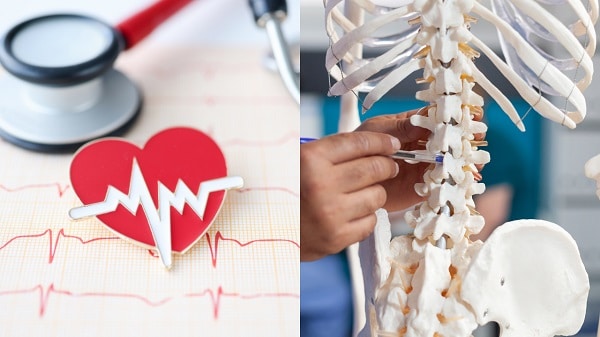
One of the most important functions of Vitamin K2 is its ability to protect heart health by preventing calcium buildup in the arteries. Without enough Vitamin K2, calcium can accumulate in the blood vessels, leading to hardening of the arteries, a major risk factor for heart disease. Research has found that individuals with higher Vitamin K2 intake have a significantly lower risk of developing cardiovascular conditions. In fact, a long-term study in the Netherlands revealed that people who consumed the most Vitamin K2 had a 50% lower chance of dying from heart-related issues compared to those with lower intake.

Vitamin K2 is also essential for maintaining strong bones and preventing osteoporosis, a condition that affects millions of seniors worldwide. It works by activating osteocalcin, a protein that binds calcium to the bone matrix, making bones stronger and more resistant to fractures. Studies show that Vitamin K2 supplementation can reduce bone loss and improve bone mineral density in older adults, helping to lower the risk of fractures. Many seniors rely on calcium and Vitamin D to support bone health, but without adequate Vitamin K2, calcium may not be properly utilized, potentially leading to arterial deposits instead of strengthening bones. Ensuring a sufficient intake of this vital nutrient can support both cardiovascular and skeletal health, contributing to a longer, healthier life.

The Surprising Link Between This Vitamin and Brain Health
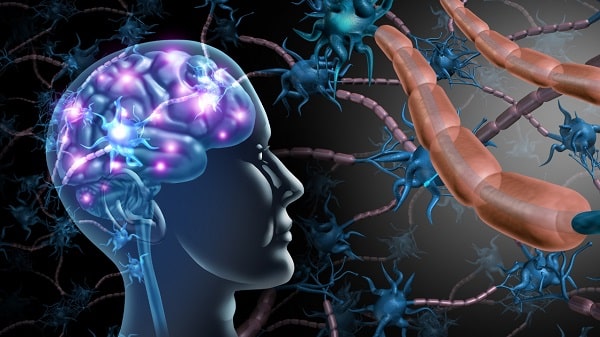
While most people associate brain health with nutrients like Omega-3 fatty acids and B vitamins, Vitamin K2 also plays a critical role in cognitive function. This vitamin helps reduce oxidative stress and inflammation in the brain, two factors that contribute to neurodegenerative diseases like Alzheimer’s. Studies suggest that Vitamin K2 may help protect against cognitive decline by supporting the function of important proteins that regulate brain cell health. Research has even linked higher Vitamin K2 levels to better memory and cognitive performance in older adults, making it an essential nutrient for maintaining mental sharpness with age.

Beyond protecting brain cells, Vitamin K2 may also enhance brain function by improving blood flow and reducing the risk of stroke. Since this vitamin prevents arterial calcification, it helps keep blood vessels flexible and ensures that oxygen-rich blood reaches the brain efficiently. Poor circulation can lead to brain fog, memory problems, and an increased risk of strokes, all of which become more common with age. By supporting vascular health, Vitamin K2 indirectly enhances brain function and may reduce the risk of age-related cognitive decline. Given its wide-ranging benefits for both physical and mental health, Vitamin K2 should not be overlooked by seniors seeking to protect their longevity and quality of life.

Why Most Seniors Are Deficient in This Essential Nutrient

Vitamin K2 deficiency is surprisingly common among seniors, primarily due to changes in diet, reduced nutrient absorption, and a lack of awareness. As people age, their ability to absorb certain vitamins declines, making it harder to maintain optimal levels of essential nutrients. Many older adults also take medications, such as blood thinners and cholesterol-lowering drugs, which can interfere with Vitamin K2 absorption and function. Compounding the issue, the modern Western diet is low in Vitamin K2-rich foods, as processed and convenience foods have largely replaced traditional sources of this nutrient.

Another reason for widespread deficiency is the misconception that consuming Vitamin K1 is enough to meet the body’s needs. While Vitamin K1 is abundant in leafy greens and helps with blood clotting, it does not provide the same cardiovascular and bone health benefits as Vitamin K2. Additionally, many people mistakenly believe that dairy products alone provide sufficient Vitamin K2, but only certain fermented and grass-fed dairy sources contain significant amounts. Because standard nutritional guidelines do not emphasize Vitamin K2 intake, most seniors remain unaware of its importance. Without proper education and dietary adjustments, many older adults continue to miss out on this life-extending nutrient.

The Best Sources of This Life-Extending Vitamin

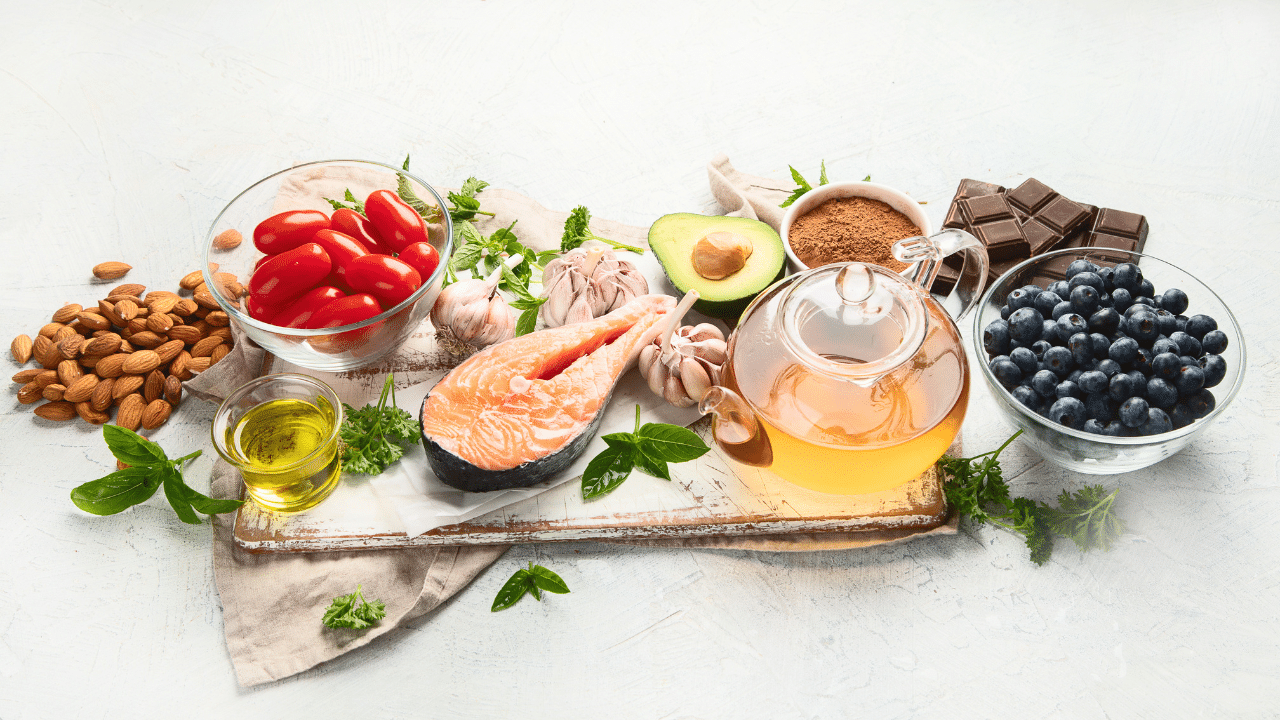
Unlike some vitamins that are readily available in a variety of foods, Vitamin K2 is primarily found in fermented and animal-based products. Natto, a traditional Japanese fermented soybean dish, is the richest natural source of Vitamin K2, but it is not commonly consumed in Western diets. Other good sources include aged cheeses, egg yolks, butter from grass-fed cows, and certain organ meats. Some fermented vegetables, such as sauerkraut, can provide small amounts, though not as much as natto or animal products. Seniors who follow a plant-based diet may struggle to obtain enough Vitamin K2 and may need to consider supplementation.

For those who do not regularly consume Vitamin K2-rich foods, supplements offer a practical solution. Menaquinone-7 (MK-7) is the most effective form of Vitamin K2 for long-term benefits, as it stays in the bloodstream longer and is better utilized by the body. Experts recommend pairing Vitamin K2 with Vitamin D3 to enhance calcium absorption and proper distribution within the body. However, before starting supplementation, seniors should consult their healthcare provider to determine the appropriate dosage and check for any medication interactions. Ensuring adequate Vitamin K2 intake through diet or supplementation can play a crucial role in maintaining overall health and longevity.

How to Add This Vitamin to Your Daily Routine for Maximum Benefits

Incorporating Vitamin K2 into a daily routine requires simple dietary adjustments and, in some cases, supplementation. Seniors can start by including more fermented foods, such as natto and aged cheeses, in their meals, as well as consuming more pasture-raised eggs and grass-fed dairy. Cooking with butter from grass-fed cows or using organ meats in recipes can also help boost intake naturally. Pairing Vitamin K2-rich foods with healthy fats, such as avocado or olive oil, can further enhance absorption. Small changes to meal planning can make a big difference in maintaining sufficient levels of this vital nutrient.

For those who cannot meet their needs through food alone, taking a high-quality Vitamin K2 supplement can be beneficial. Look for a supplement that contains the MK-7 form, as it remains active in the body for longer periods. It is also important to take Vitamin K2 with a meal containing fat to maximize absorption. Since Vitamin K2 works synergistically with Vitamin D3 and magnesium, combining these nutrients can further enhance their benefits. By making a conscious effort to include Vitamin K2 in their daily routine, seniors can significantly improve their cardiovascular, bone, and cognitive health, potentially adding years to their lifespan.

Take Charge of Your Health and Longevity

Many seniors unknowingly miss out on the powerful benefits of Vitamin K2, a nutrient that plays a crucial role in heart health, bone strength, and brain function. Deficiency is common due to dietary habits, aging-related absorption issues, and lack of awareness. By incorporating Vitamin K2-rich foods or taking a high-quality supplement, seniors can significantly reduce their risk of arterial calcification, osteoporosis, and cognitive decline. Pairing it with Vitamin D3 and healthy fats can further enhance its effectiveness. Prioritizing this overlooked vitamin can make a profound difference in overall well-being, potentially adding years of health and vitality to life.

Leave a Reply

Your email address will not be published. Required fields are marked *