Maintaining a house free of germs has never been more critical, especially in light of recent global health events that have heightened awareness around the importance of hygiene. A germ-free environment not only supports your physical health but also contributes to your mental well-being. This post will provide you with some practical tips and straightforward strategies to keep your living spaces sanitized. From the basics of hand hygiene to the nuances of disinfecting personal items, it will guide you through essential practices to ensure your home remains a safe haven from germs.
Contents
Proper Hand Hygiene
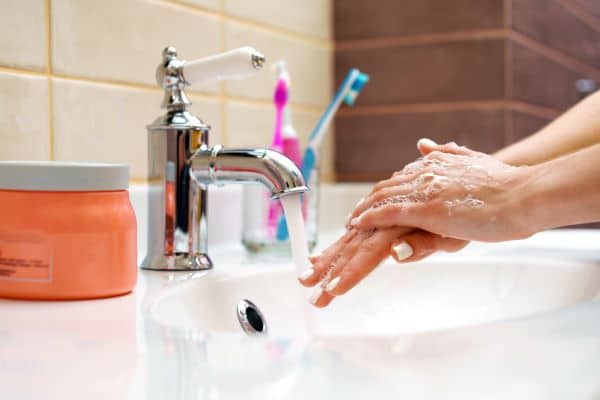
Handwashing is the cornerstone of preventing germ spread within the home. It’s essential to wash hands thoroughly with soap and water for at least 20 seconds, especially after coming into contact with high-touch surfaces, before eating, and after using the bathroom. This simple act can significantly reduce the likelihood of transferring germs to surfaces in your home or to your loved ones. Moreover, in situations where soap and water are not readily available, the use of a hand sanitizer containing at least 60% alcohol can serve as an effective alternative.
The technique and frequency of handwashing are vital. Ensure that you cover all parts of the hands, including the back of the hands, between the fingers, and under the nails, where germs are likely to hide. Key moments for hand washing include after handling pets, taking out the trash, and before preparing food. By making hand hygiene a regular part of your routine, you can play a critical role in maintaining a germ-free home environment.
Regular Cleaning of High-Touch Surfaces
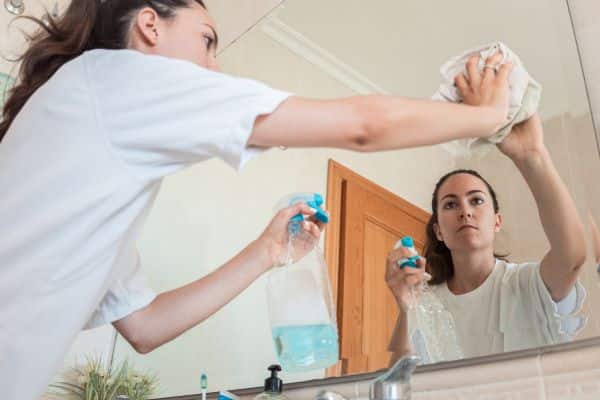
High-touch surfaces in your home, such as doorknobs, light switches, countertops, and faucet handles, are hotspots for germs. These surfaces should be cleaned and disinfected daily with an EPA-approved disinfectant to minimize the risk of germ transmission. Cleaning removes dirt and impurities, while disinfecting kills any remaining germs, offering a dual approach to maintaining a clean home.
Choosing the right products is crucial for effective cleaning. It’s essential to follow the instructions on cleaning products to ensure they are used safely and effectively. For instance, some disinfectants need to remain on surfaces for a certain period to be effective. By incorporating the cleaning of high-touch surfaces into your daily routine, you can significantly reduce the spread of germs in your home.
The Role of Ventilation in Reducing Germs

Proper ventilation is a key factor in reducing the concentration of airborne germs in your home. Opening windows and doors to allow fresh air to circulate can help disperse potentially contaminated air, reducing the risk of respiratory illnesses. Additionally, the use of air purifiers with HEPA filters can capture airborne particles, including pathogens, further improving indoor air quality.
Regular maintenance of your home’s HVAC system is also vital for ensuring adequate ventilation. Changing filters regularly, cleaning ducts, and ensuring the system is in good working order can significantly contribute to the overall air quality in your home. These steps, combined with natural ventilation, create a healthier living environment by minimizing the presence of airborne germs.
Safe Food Handling Practices

The kitchen is a common area for germs to proliferate, making safe food handling practices essential for a germ-free home. Washing hands before and after handling food, thoroughly cleaning all surfaces and utensils used in food preparation, and ensuring foods are cooked to the proper temperatures can prevent foodborne illnesses. Additionally, keeping raw and cooked foods separate to avoid cross-contamination is crucial.
Proper food storage is also key to preventing the growth of germs. Refrigerating perishable items promptly, using airtight containers, and regularly checking expiration dates help maintain food safety. By adopting these safe food handling practices, you can protect your family from germs and ensure your kitchen remains a clean and safe environment for meal preparation.
Importance of Regular Laundry

Regular laundering of clothing, bedding, and towels plays a crucial role in maintaining a germ-free environment. Washing these items in hot water, when appropriate for the fabric, can kill germs and prevent their spread. It’s particularly important to launder items used by sick family members separately and to use the dryer’s high heat setting to further ensure germs are eliminated. Additionally, washing your hands after handling dirty laundry can prevent the transfer of germs to other surfaces.
The frequency of laundry is also vital; bed linens and towels should be washed at least once a week, while kitchen cloths and personal items like face masks may require more frequent laundering. Using a disinfectant laundry detergent can add an extra layer of protection against germs. Moreover, storing dirty laundry in a designated hamper and keeping it separate from clean items minimizes the risk of cross-contamination. These practices help ensure that the textiles in your home contribute to a clean and healthy living space.
Smart Use of Disinfectants

Choosing and using disinfectants correctly is essential for their effectiveness in killing germs. It’s important to select EPA-registered disinfectants and to read and follow the product instructions carefully. This ensures that the product is used safely and achieves its maximum germ-killing potential. For example, some surfaces may need to be cleaned before disinfecting, and the disinfectant may need to remain wet on the surface for a specific amount of time to be effective.
Avoiding common mistakes, such as mixing different cleaning products, can prevent harmful reactions and ensure safety. Additionally, using gloves and ensuring adequate ventilation during disinfection can protect against potential irritants. Disinfectants should be used judiciously, focusing on high-touch areas and items that come into frequent contact with hands. By using disinfectants wisely, you can maintain a healthy home environment without compromising safety.
Personal Items: Phones, Keys, and Wallets
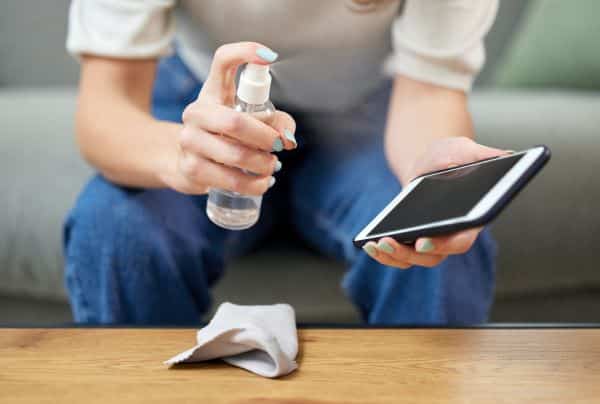
Personal items like phones, keys, and wallets are frequently used and can harbor a significant number of germs. Regularly cleaning and disinfecting these items can significantly reduce the risk of germ transmission. For electronic devices, using alcohol-based wipes or sprays containing at least 70% alcohol can effectively sanitize these items without damaging them. It’s important to follow the manufacturer’s instructions for cleaning to avoid any damage.
These personal items should be cleaned daily, especially if they’ve been used outside the home or in public spaces. Creating a designated area near the entrance of your home for disinfecting personal items upon returning home can make this practice a routine part of your day. This simple habit can significantly reduce the introduction of germs into your home, keeping you and your family safer.
Join the Movement Toward Germ-Free Living
Keeping your home free of germs is an ongoing commitment that requires attention to detail and consistency in your cleaning habits. By adopting the strategies outlined, such as regular handwashing, disinfecting high-touch surfaces, and educating household members about the importance of hygiene, you can significantly reduce the presence of germs in your living space. Let this guide be the first step toward a healthier, germ-free environment for you and your loved ones. Take action today and embrace the benefits of a cleaner, safer home.