Seasonal Affective Disorder (SAD) grips many individuals as seasons shift, casting a shadow over what should be joyful times. Characterized by recurrent episodes of depression that occur annually during specific seasons, usually winter, it’s crucial to recognize its symptoms early on. This post aims to shed light on effective strategies to combat SAD, offering hope and empowerment to those who experience this form of depression. Through understanding and actionable advice, the journey to reclaim joy and vitality, even in the coldest, darkest months, begins here.
Contents
- 1 Understanding Seasonal Affective Disorder
- 2 Light Therapy: A Bright Way Forward
- 3 Diet And Supplements: Nourishing Your Mental Health
- 4 Exercise: The Natural Antidepressant
- 5 Psychological Strategies: Mind Over Mood
- 6 Social Support: The Role Of Relationships
- 7 Professional Treatment: When To Seek Help
- 8 Creating A Supportive Environment
- 9 The Bottom Line
Understanding Seasonal Affective Disorder
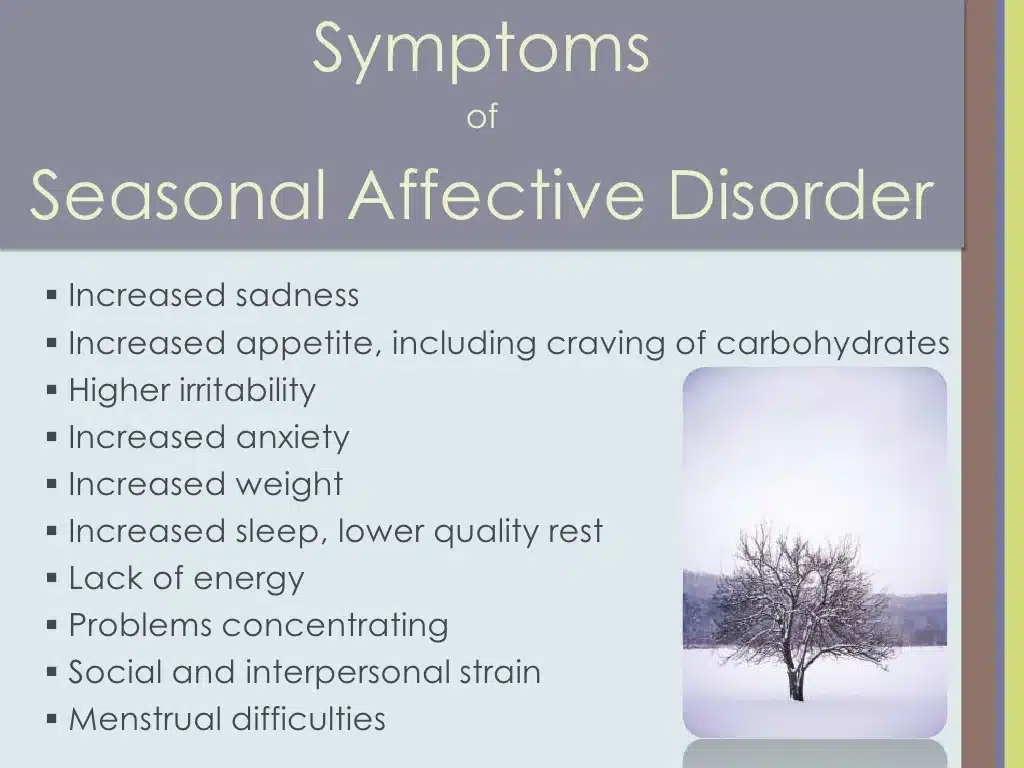
The chilling grasp of winter can bring more than just a drop in temperature; for some, it also heralds the onset of Seasonal Affective Disorder. This condition is not a mere “winter blues” but a recognized form of depression that arrives and departs with the seasons. Symptoms often start mild and become more severe as the season progresses, manifesting as persistent low mood, lack of energy, and a profound loss of enjoyment in once-pleasurable activities. Recognizing these signs is the first step towards managing SAD and requires an attentive acknowledgment of one’s emotional and physical state during the vulnerable seasons.
Beneath the surface of this seasonal malady lie various contributing factors, from genetic predispositions to imbalances in brain chemistry triggered by reduced sunlight exposure. The shorter days and longer nights of winter can disrupt the body’s internal clock, leading to feelings of depression. Furthermore, the lack of sunlight can cause a drop in serotonin, a neurotransmitter that influences mood, and an increase in melatonin, which regulates sleep, compounding feelings of lethargy and despondency. Understanding these underlying causes can equip individuals with the knowledge to seek appropriate remedies and interventions.
Light Therapy: A Bright Way Forward

Among the most heralded treatments for SAD is light therapy, a non-invasive remedy that compensates for the diminished daylight of winter months. By sitting in front of a specially designed light therapy box that emits a bright, daylight-spectrum light, individuals can mitigate some of the effects of reduced natural sunlight. The light from the therapy box stimulates the brain’s production of serotonin while reducing excess melatonin, thus helping to recalibrate the body’s internal clock. Consistency is key; daily sessions, typically recommended in the morning, can lead to significant improvements in mood and energy levels.
However, with a variety of light therapy lamps available on the market, choosing the right one is pivotal. It’s advised to look for lamps with an intensity of 10,000 lux, which is the optimal brightness level to emulate a bright sunny day. Additionally, considerations for design, such as size and portability, can affect usability and effectiveness. While light therapy is generally safe, potential side effects like eyestrain or headaches may occur, and it’s crucial to consult with a healthcare provider to ensure it’s a suitable option, especially for those with certain eye conditions or a history of skin cancer.
Diet And Supplements: Nourishing Your Mental Health

The influence of diet on mental health is profound, especially for those battling Seasonal Affective Disorder. Nutritional psychiatry has emerged as an innovative approach to support mental health, highlighting the connection between food intake and the brain’s structure and function. A diet rich in omega-3 fatty acids, found in fish, flaxseeds, and walnuts, has been linked to lower rates of depression. Antioxidant-rich fruits and vegetables, whole grains, and lean protein can also bolster brain health and mitigate some symptoms of SAD. Ensuring that meals are well-balanced and regular can help maintain blood sugar levels, further stabilizing mood and energy.
Vitamin supplementation can also play a critical role in managing SAD. Vitamin D, in particular, is pivotal due to its potential to offset the reduced exposure to sunlight during the shorter days of winter. Low levels of Vitamin D have been associated with depression, and supplementation may improve mood by supporting brain health. B vitamins, including folic acid and B12, have also been observed to have positive effects on mood, although they should not replace other forms of treatment. Before starting any supplement regimen, it’s essential to seek guidance from a healthcare provider to ensure the correct dosage and to prevent any possible interactions with other medications.
Exercise: The Natural Antidepressant

Engaging in physical activity is a potent natural remedy for managing the symptoms of Seasonal Affective Disorder. Exercise acts as a natural antidepressant by releasing endorphins, chemicals in the brain that can improve mood and reduce pain. Regular physical activity has been shown to alleviate symptoms of mild to moderate depression effectively and can be as beneficial as antidepressant medication for some individuals. Whether it’s a brisk walk in the midday sunlight, a session of yoga, or an indoor workout, the goal is to get moving despite the colder weather and shorter days.
The challenge often lies in finding the motivation to exercise during the winter months when SAD symptoms can be most oppressive. Setting manageable goals and creating a routine can aid in making exercise a consistent part of one’s lifestyle. Additionally, engaging in group activities or finding an exercise buddy can provide the necessary encouragement and accountability. Indoor exercise options, such as joining a gym, attending dance classes, or following online workouts, can also help circumvent the barriers posed by inclement weather and limited daylight.
Psychological Strategies: Mind Over Mood
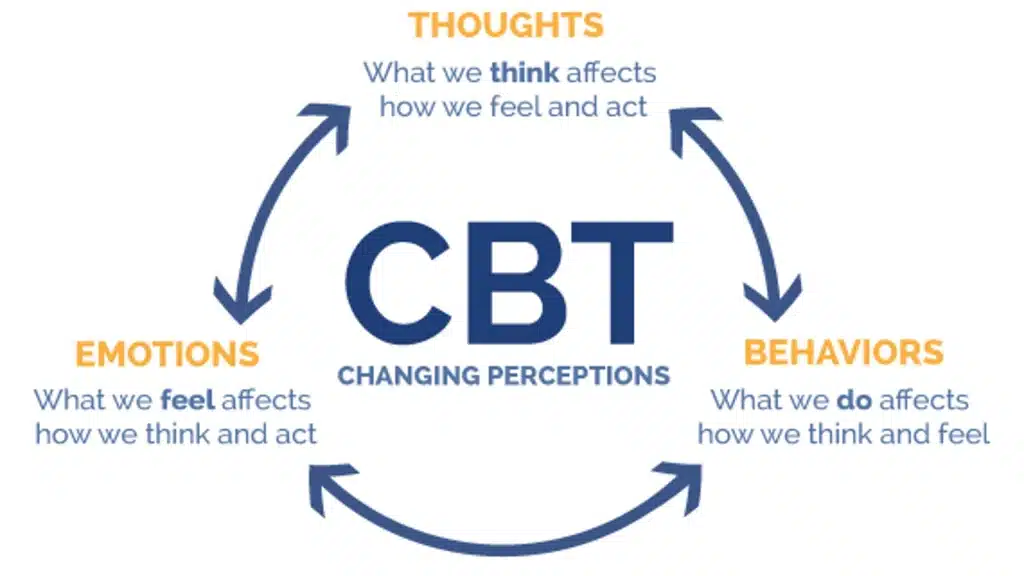
Cognitive-behavioral therapy (CBT) has proven to be an effective treatment for Seasonal Affective Disorder, addressing negative thought patterns that contribute to depressive symptoms. This structured, time-limited therapy approach focuses on teaching individuals to challenge and modify unhelpful thoughts and behaviors, which can alleviate symptoms of SAD. In recent years, CBT has been adapted specifically for SAD, often referred to as CBT-SAD, which includes a component that focuses on problems related to the season, such as the tendency to “hibernate” or avoid social interactions during the winter months.
In addition to CBT, other psychological strategies can be beneficial in managing SAD. Mindfulness and meditation can help individuals develop a greater awareness of the present moment, which can reduce stress and promote relaxation. Techniques such as guided imagery and deep breathing can also be incorporated to create a calming effect on the mind and body. Engaging in these mental exercises regularly can build resilience against the depressive symptoms of SAD, fostering a stronger sense of well-being and emotional balance.
Social Support: The Role Of Relationships

The impact of social support on mental health, particularly for those affected by Seasonal Affective Disorder, cannot be overstated. Strong connections with friends, family, and community can provide emotional comfort and a sense of stability, which are especially needed during the trying times brought on by SAD. Engaging with others can also offer a distraction from negative thoughts and provide a platform for sharing feelings and experiences. It is essential to nurture relationships and plan social activities that can act as a source of support and encouragement, even if it’s just virtual meetups or regular phone calls to loved ones.
Communicating effectively with others about the challenges faced when dealing with SAD is also crucial. This not only helps in establishing a support system but also educates those around about the condition, fostering empathy and understanding. For some, joining a support group where experiences with SAD can be shared openly with those who have similar struggles can be particularly therapeutic. Therapy sessions, whether individual or group, provide a safe environment to discuss feelings and learn coping strategies, thereby enhancing the ability to manage the disorder.
Professional Treatment: When To Seek Help

Recognizing when symptoms of Seasonal Affective Disorder escalate to a point where professional help is needed is a critical step towards recovery. If symptoms persist and significantly interfere with daily functioning—such as disrupting sleep patterns, causing difficulties at work or in relationships, or leading to a pervasive sense of despair—it is time to seek the guidance of a healthcare provider. Early intervention can prevent symptoms from worsening and can set the foundation for a more effective treatment plan.
Healthcare professionals can offer a range of treatments for SAD, including medication such as selective serotonin reuptake inhibitors (SSRIs), which are often used to treat depression. Counseling or therapy with mental health professionals can also provide tailored strategies to cope with SAD. It is important to have a comprehensive evaluation to determine the most appropriate treatment, which may include a combination of medication, therapy, and lifestyle changes. No one should have to face Seasonal Affective Disorder alone, and professional help can be a beacon of hope for those seeking relief.
Creating A Supportive Environment

Crafting an environment that can help mitigate the effects of Seasonal Affective Disorder is another tangible step individuals can take. Simple alterations such as rearranging furniture to sit closer to windows or choosing bright, cheerful colors for decor can make a significant difference. Creating a comfortable, inviting space where one can relax and feel uplifted is beneficial. Additionally, incorporating plants or elements of nature indoors can bring a sense of the outside world into the home, which can be soothing during months when outdoor activities are limited.
Adhering to a structured daily routine also provides a sense of normalcy and control. Establishing a regular pattern of sleep, meals, exercise, and social activities can help stabilize mood and improve overall well-being. It’s also advisable to include activities that promote relaxation and stress relief, such as reading, listening to music, or practicing hobbies, which can act as therapeutic outlets for emotions and stress.
The Bottom Line
Seasonal Affective Disorder poses significant challenges, but the darkness it brings is not insurmountable. With an understanding of the condition and the implementation of various strategies—from light therapy and nutrition to exercise and psychological approaches—the symptoms can be managed effectively. It’s equally important to leverage social support and professional assistance when needed. By creating a supportive environment and maintaining a proactive approach to mental health, individuals can find a path to brighter days and improved well-being, even amidst the coldest seasons.