As people age, maintaining cognitive health becomes increasingly important for ensuring a high quality of life. The brain, like any other part of the body, undergoes changes with age, often leading to challenges such as memory decline and slower processing speeds. However, there is a fascinating aspect of the brain known as neuroplasticity that offers hope for preserving and even enhancing cognitive function in seniors. Neuroplasticity refers to the brain’s remarkable ability to reorganize itself by forming new neural connections. Understanding this concept can be key to unlocking strategies for keeping the aging brain healthy and resilient.
Contents
- 1 What is Neuroplasticity?
- 2 The Impact of Aging on Brain Health
- 3 Neuroplasticity as a Tool for Cognitive Resilience
- 4 Activities That Promote Neuroplasticity in Seniors
- 5 The Role of Nutrition in Supporting Neuroplasticity
- 6 Emerging Research and Future Directions
- 7 Maximizing Cognitive Health Through Neuroplasticity
What is Neuroplasticity?
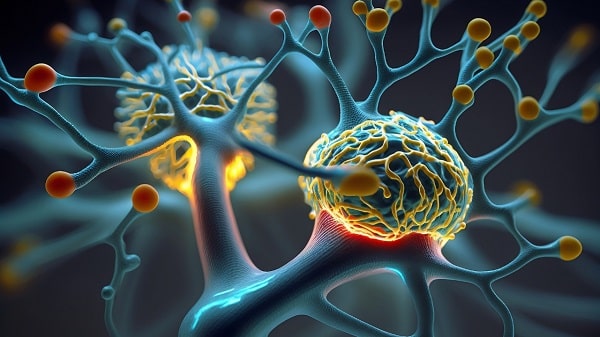
Neuroplasticity is the brain’s inherent ability to adapt and change throughout a person’s life. It allows the brain to reorganize its structure, functions, and connections in response to experiences, learning, and even injuries. This adaptability is vital for cognitive development during childhood and remains crucial as we age. In seniors, neuroplasticity plays a significant role in compensating for the natural decline in certain cognitive functions by enhancing other areas of the brain.
There are two main types of neuroplasticity: structural and functional. Structural plasticity refers to the physical changes in the brain’s architecture, such as the growth of new neurons or the strengthening of existing neural pathways. Functional plasticity, on the other hand, involves the brain’s ability to transfer functions from one area to another, especially in response to damage or injury. Both forms of plasticity are essential for maintaining cognitive resilience in older adults, helping them adapt to new challenges and learn new skills even later in life.
The Impact of Aging on Brain Health

As the brain ages, it naturally undergoes changes that can impact cognitive abilities. Common challenges associated with aging include memory loss, reduced attention span, and slower information processing. These changes can affect a senior’s ability to perform daily tasks, engage in social activities, and maintain independence. While these cognitive declines are a normal part of aging, they can significantly influence the overall well-being and quality of life in older adults.
However, not all seniors experience the same level of cognitive decline. Various factors, such as genetics, lifestyle, and overall health, play a role in determining how aging impacts brain health. Understanding the effects of aging on the brain is essential for recognizing the importance of proactive measures that can support cognitive function. This is where neuroplasticity comes into play, offering a means to counteract some of the negative effects of aging by promoting brain adaptability and resilience.
Neuroplasticity as a Tool for Cognitive Resilience
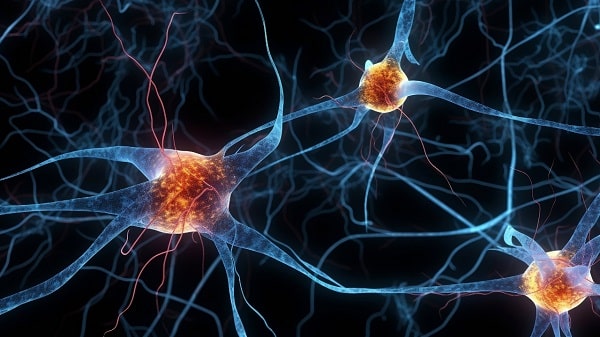
Neuroplasticity provides a powerful tool for enhancing cognitive resilience in seniors, enabling them to maintain mental sharpness and adaptability despite age-related changes. Through neuroplasticity, the brain can compensate for lost or weakened functions by reinforcing existing neural pathways or creating new ones. This process is particularly valuable for seniors as it can help preserve essential cognitive abilities such as memory, problem-solving, and learning.
One of the key benefits of neuroplasticity is its ability to enhance memory retention in older adults. By engaging in activities that stimulate the brain, such as puzzles, reading, or learning new skills, seniors can strengthen neural connections and improve their memory function. Additionally, neuroplasticity supports the brain’s adaptability, allowing seniors to better adjust to new environments or challenges. This adaptability is crucial for maintaining independence and overall cognitive health as individuals age, underscoring the importance of fostering neuroplasticity through various mental and physical activities.
Activities That Promote Neuroplasticity in Seniors

Engaging in regular physical exercise is one of the most effective ways to promote neuroplasticity in seniors. Aerobic exercises, such as walking, swimming, and cycling, have been shown to increase blood flow to the brain, which supports the growth of new neurons and enhances cognitive function. These activities also help reduce the risk of conditions like hypertension and diabetes, which can negatively impact brain health. Incorporating physical activity into a daily routine is not only beneficial for physical health but also plays a crucial role in maintaining and improving cognitive resilience through neuroplasticity.
In addition to physical exercise, cognitive stimulation is essential for promoting neuroplasticity. Activities that challenge the brain, such as solving puzzles, reading, or learning new languages or skills, help to strengthen existing neural connections and encourage the formation of new ones. Social interaction also contributes to cognitive health, as engaging with others in meaningful conversations and activities can stimulate the brain and prevent cognitive decline. For seniors, staying mentally and socially active is key to harnessing the benefits of neuroplasticity and preserving cognitive function as they age.
The Role of Nutrition in Supporting Neuroplasticity

Nutrition plays a vital role in supporting neuroplasticity and overall brain health in seniors. A diet rich in essential nutrients can provide the brain with the resources it needs to maintain and form new neural connections. Omega-3 fatty acids, found in foods like fish, flaxseeds, and walnuts, are particularly beneficial for brain health, as they support the structure of brain cells and enhance communication between neurons. Antioxidant-rich foods, such as berries, dark chocolate, and leafy greens, help protect the brain from oxidative stress, which can damage neurons and impair cognitive function.
In addition to specific nutrients, overall dietary patterns are important for supporting neuroplasticity. A balanced diet that includes a variety of whole foods, such as fruits, vegetables, whole grains, and lean proteins, can help ensure that the brain receives the nutrients it needs to function optimally. Hydration is also crucial, as even mild dehydration can affect cognitive performance. By maintaining a brain-healthy diet, seniors can support their neuroplasticity and reduce the risk of cognitive decline, helping them stay mentally sharp and resilient as they age.
Emerging Research and Future Directions

Recent research has shed light on the potential of neuroplasticity to mitigate cognitive decline in seniors, offering new hope for maintaining brain health well into old age. Studies have shown that interventions such as cognitive training, physical exercise, and even certain medications can enhance neuroplasticity, leading to improvements in memory, attention, and other cognitive functions. These findings suggest that it is possible to not only slow down the effects of aging on the brain but also potentially reverse some aspects of cognitive decline through targeted strategies that promote neuroplasticity.
Looking ahead, the future of neuroplasticity research holds exciting possibilities for senior brain health. Advances in technology, such as brain-training apps and virtual reality, are being explored as tools to enhance neuroplasticity and cognitive function in aging populations. Additionally, ongoing research into the molecular mechanisms of neuroplasticity may lead to the development of new therapies aimed at boosting brain resilience and function. As our understanding of neuroplasticity continues to grow, there is increasing potential to develop effective interventions that can help seniors maintain cognitive health and independence throughout their later years.
Maximizing Cognitive Health Through Neuroplasticity
Neuroplasticity offers a promising pathway to maintaining and enhancing cognitive health in seniors. By understanding and harnessing this powerful ability of the brain to adapt and reorganize, older adults can mitigate the effects of aging on their cognitive functions. Engaging in physical exercise, cognitive activities, social interaction, and maintaining a brain-healthy diet are all key strategies for promoting neuroplasticity. As research continues to evolve, the potential for further interventions and therapies grows, providing hope for a future where cognitive decline is not an inevitable part of aging but a challenge that can be effectively managed.