High blood pressure, or hypertension, is a common health issue that affects millions globally. It’s often labeled as the “silent killer” because it typically has no evident symptoms but can lead to severe health problems such as heart disease and stroke. Preventing this condition involves a combination of a balanced diet, regular exercise, and lifestyle modifications. The following sections provide practical advice on adopting habits that promote healthy blood pressure levels, thus reducing the risk of associated health complications. By understanding and implementing these strategies, individuals can take significant steps towards enhanced well-being and longevity.
Following A Heart-Healthy Diet
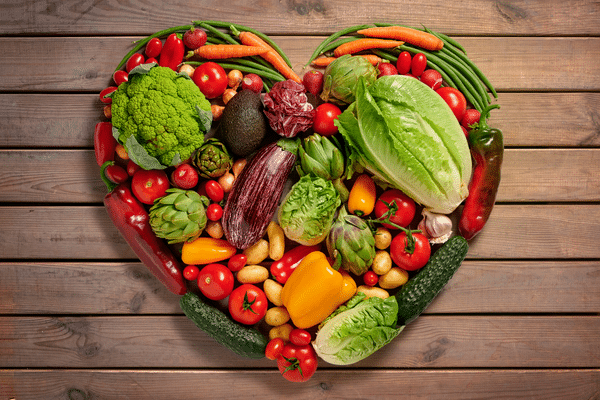
A diet that supports heart health is paramount in preventing high blood pressure. The DASH diet, rich in fruits, vegetables, lean proteins, and whole grains, has been shown to be particularly effective. It emphasizes nutrient-rich foods that provide a plethora of vitamins, minerals, and antioxidants essential for optimal heart function. Avoiding processed foods, which are often high in unhealthy fats and sodium, is also crucial, as excess sodium can lead to water retention and increased pressure on the arteries.
Reducing sodium intake doesn’t only involve avoiding table salt; it also means being mindful of packaged and processed foods that are often high in hidden salts. Incorporating a variety of colorful fruits and vegetables ensures a wide range of nutrients that work synergistically to support overall health. These foods are not only low in calories but also rich in dietary fiber, which aids in digestion and helps manage weight, a crucial aspect of maintaining healthy blood pressure levels.
Get Enough Exercise

Regular physical activity is another cornerstone of preventing hypertension. Exercise strengthens the heart, improves circulation, and aids in maintaining a healthy weight. Engaging in at least 150 minutes of moderate-intensity exercise or 75 minutes of vigorous-intensity exercise weekly can make a significant difference. Activities like walking, cycling, swimming, or dancing can be effective and enjoyable ways to stay active and keep blood pressure in check.
Consistency is key when it comes to reaping the benefits of exercise. It’s essential to choose activities that are enjoyable to ensure long-term adherence. Integrating exercise into daily routines, like walking or cycling to work, taking the stairs, or engaging in active hobbies, can make staying active less daunting and more sustainable. Monitoring progress and setting realistic goals can also be motivating and contribute to making exercise a lifelong habit.
Managing Stress

The impact of stress on blood pressure is significant. When the body is under stress, it releases hormones like adrenaline, causing the heart to beat faster and the arteries to narrow, leading to temporary spikes in blood pressure. While occasional stress is normal, chronic stress can contribute to long-term increases in blood pressure. It’s essential to identify stressors and develop coping strategies to mitigate their effects on well-being.
Various techniques can be employed to manage stress effectively. Engaging in activities that promote relaxation, such as reading, gardening, or listening to music, can be beneficial. Meditation and deep breathing exercises have been proven to lower blood pressure by relaxing the mind and body. Additionally, maintaining a support network of friends and family to share concerns and feelings can significantly reduce stress levels.



Use lemon pepper as seasoning to get the taste without the drawbacks of salt