You take a bite out of a sandwich, and something tastes off. Upon closer inspection, you discover mold has made its way into your meal. A wave of concern washes over you. What happens when you eat mold? Is a trip to the emergency room necessary? This article aims to answer these pressing questions by exploring the effects of eating moldy food, from immediate physical reactions to long-term health risks. Equip yourself with the knowledge you need to handle this common yet unsettling experience.
Unveiling The Mystery: What Exactly Is Mold?
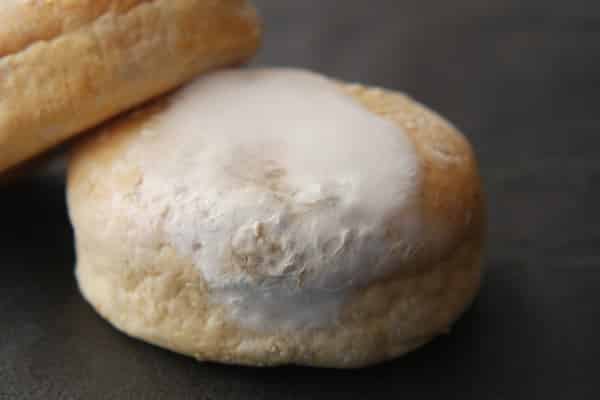
Mold is a type of fungus that thrives in damp, warm conditions and reproduces through spores. These spores are often airborne and can land on virtually any surface, including food. While some molds are used deliberately in food production, such as in the aging of certain cheeses, most are unwelcome guests in your kitchen. Understanding the different types of mold and how they interact with food is the first step in grasping the potential risks of ingestion.
Common molds found in food include Aspergillus, Penicillium, and Rhizopus. Each type has its own set of characteristics, including color, texture, and even smell. For example, Aspergillus often appears green and fuzzy, while Rhizopus, commonly known as black bread mold, has a more cotton-like texture. Understanding these basic identifiers can help you spot mold before it ruins your meal and potentially your health.
How Does Mold Grow On Food?
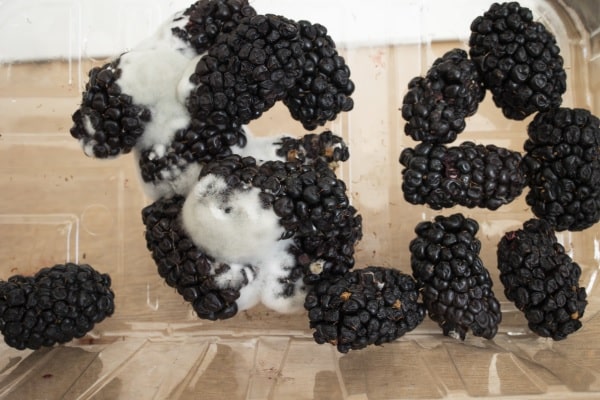
Mold needs specific conditions to grow, primarily moisture, warmth, and a food source. Your kitchen provides all of these, making it a potential breeding ground for mold. Foods high in sugar and starch are particularly susceptible, as they offer an abundant food source for mold to thrive. Therefore, items like bread, fruits, and cheeses are often the first to go moldy if not properly stored.
But how can you tell if your food has fallen victim to mold? Signs include discoloration, a fuzzy texture, and an off smell. Sometimes, mold may only be visible on one small part of the food but have invisible threads running throughout the item. This is particularly true for porous foods like bread, where mold can easily spread beyond what is immediately visible.
Immediate Physical Reactions To Eating Mold

Upon eating moldy food, you may experience a range of symptoms, the most common of which are gastrointestinal issues. Nausea, vomiting, and diarrhea are typical immediate reactions as your body tries to expel the foreign substance. The severity of these symptoms can vary depending on the type of mold consumed and your overall health condition.
In addition to gastrointestinal distress, some people may experience allergic reactions to mold. Symptoms can include itching, hives, or even difficulty breathing in severe cases. It’s essential to note that the type of mold and the individual’s pre-existing health conditions, such as allergies or a compromised immune system, can significantly impact the body’s reaction to mold ingestion. Therefore, it’s crucial to be aware of the potential risks and symptoms to watch for.