Contents
Long-Term Health Risks

Eating moldy food once might cause immediate discomfort, but what about the long-term effects? Some molds produce harmful substances known as mycotoxins, which can have detrimental impacts on your health over time. These toxins can affect various bodily systems, including the nervous and immune systems. In extreme cases, prolonged exposure to mycotoxins can even lead to more severe conditions like liver damage or cancer.
For those with compromised immune systems, such as the elderly or individuals undergoing chemotherapy, the risks are even higher. Mold can exacerbate existing health conditions and make the body more susceptible to other infections. Therefore, it’s not just the immediate symptoms you need to worry about; the long-term health risks are equally concerning and warrant caution.
What To Do If You’ve Eaten Moldy Food?
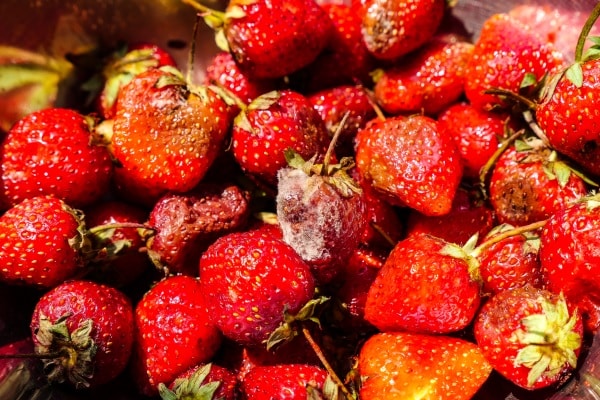
So you’ve accidentally consumed moldy food; what’s the next course of action? First and foremost, don’t panic. Most people will experience mild symptoms like nausea or diarrhea, which usually resolve on their own. Drinking plenty of fluids and getting rest are often sufficient for recovery. However, if symptoms persist or worsen, seeking medical advice is crucial.
In some cases, especially for those who are immunocompromised or allergic to mold, medical intervention may be necessary. Antihistamines can help alleviate allergic reactions, while more severe symptoms might require prescription medication or even hospitalization. The key takeaway here is to listen to your body and seek medical attention if symptoms don’t improve or worsen over time.
Prevention Is Better Than The Cure
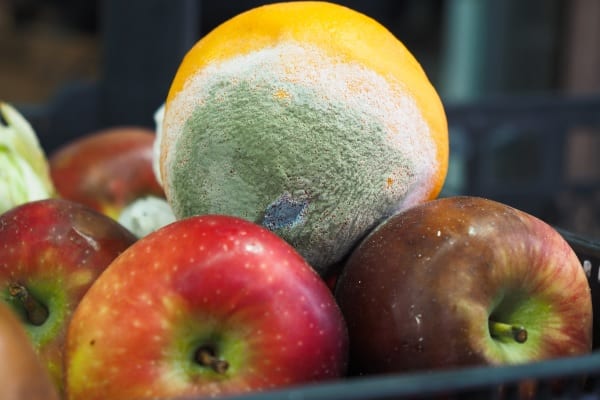
The best way to avoid the risks associated with eating mold is, of course, prevention. Proper food storage is crucial in inhibiting mold growth. Using airtight containers, refrigerating perishable items, and being mindful of expiration dates can go a long way in keeping your food mold-free. Additionally, maintaining a clean kitchen environment can also help prevent mold spores from finding a suitable breeding ground.
But what if you discover mold on a block of cheese or a loaf of bread? Is it safe to just cut off the moldy part and eat the rest? The answer varies depending on the type of food. For hard cheeses and firm fruits and vegetables, cutting off at least an inch around the moldy spot may be sufficient. However, for porous foods like bread, it’s best to discard the entire item, as mold spores can spread beyond visible areas.
Myths And Misconceptions About Mold
You might have heard that mold is only skin-deep and that removing the visible part makes the food safe to eat. This is a dangerous misconception. As mentioned earlier, mold can have invisible threads that penetrate deep into the food, especially if it’s porous. Simply cutting off the moldy part is not a guaranteed way to eliminate the risk.
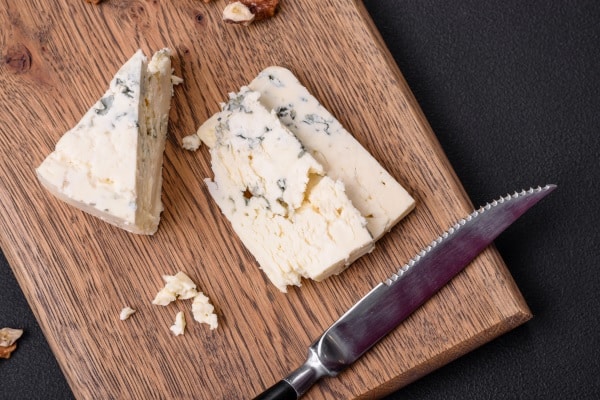
Another common myth is that all molds are harmful. While it’s true that some molds are used in food production, like in the making of blue cheese, these are specific strains that are safe for consumption. The molds that randomly grow on your food at home are not the same and can pose health risks. Understanding the difference is crucial for ensuring food safety and avoiding unnecessary health risks.
In the journey from your plate to your stomach, mold is an unwelcome hitchhiker. Understanding its nature, immediate effects, and long-term risks empowers you to make informed decisions about food safety. Prevention is your best ally, but knowing what to do if you accidentally ingest mold is equally crucial. Stay vigilant, be informed, and always prioritize your health when it comes to what you consume. After all, you are what you eat. So, take a moment to think before your next bite!