Halotherapy, often hailed as salt therapy, traces its roots back to the salt mines of Eastern Europe, where its respiratory health benefits were first observed. Today, it has burgeoned into a popular wellness trend, attracting those seeking alternative treatments for a variety of conditions. This post dives into the intricacies of Halotherapy, shedding light on its scientific foundation, health benefits, ideal candidates, and what one can expect during a session. As you unravel the layers of this therapeutic practice, you will gain a comprehensive understanding of its potential to enhance well-being.
Contents
What is Halotherapy?

Halotherapy is a holistic treatment that utilizes salt’s natural antibacterial and anti-inflammatory properties to promote health. By inhaling salt-infused air, individuals can experience therapeutic effects, particularly in respiratory and skin conditions. The therapy comes in two main forms: dry and wet. Dry Halotherapy involves a room lined with salt blocks and a machine that disperses salt particles into the air, while wet Halotherapy includes procedures like salt baths, salt scrubs, or flotation tanks filled with salt water.
The process of a typical Halotherapy session varies slightly between the dry and wet methods but generally lasts about 45 minutes. Participants sit comfortably in a specially designed salt room or chamber, breathing in the micronized salt particles. These particles are thought to draw impurities from the body and improve health. No special preparation is needed, making it accessible to people of all ages and walks of life.
The Science Behind Halotherapy

The therapeutic claims of Halotherapy are backed by its action on the respiratory system and skin. Salt particles, when inhaled, are believed to draw moisture, reduce inflammation, and clear blockages within the respiratory tract. This can alleviate symptoms of asthma, chronic bronchitis, and allergies. The negative ions in salt also purify the air, potentially enhancing lung capacity and overall respiratory health.
Scientific studies on Halotherapy have shown promising results, particularly for respiratory and skin conditions. The salt’s hygroscopic nature means it can absorb irritants and allergens from the respiratory system, providing relief to sufferers. Moreover, its anti-inflammatory properties can soothe skin conditions like eczema and psoriasis. Despite these benefits, research is ongoing, and the scientific community continues to explore the full potential and mechanisms behind Halotherapy.
Benefits of Halotherapy
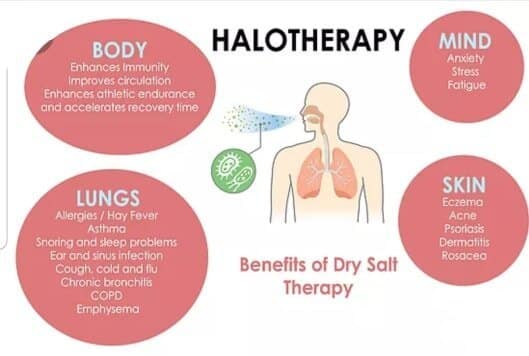
The benefits of Halotherapy extend beyond just respiratory relief; it has a holistic impact on the body. For those struggling with asthma, allergies, or chronic bronchitis, regular sessions can significantly reduce symptoms, decreasing reliance on medications. The salt’s natural properties help to clear airways, reduce inflammation, and improve breathing.
On the skin front, Halotherapy offers a natural remedy for conditions such as eczema, psoriasis, and acne. The salt’s antimicrobial and healing properties can reduce outbreaks, soothe irritation, and promote skin regeneration. Additionally, the calming environment of the salt room, combined with the therapeutic effects of the salt, can reduce stress and promote mental well-being, offering a sanctuary for relaxation and rejuvenation.
Who Can Benefit from Halotherapy?

Halotherapy is suitable for a wide range of individuals, from young children to the elderly, particularly those with respiratory or skin conditions. Its non-invasive nature makes it a safe option for many, including those seeking alternative or complementary treatments to conventional medicine. However, individuals with severe health conditions or pregnant women should consult a healthcare provider before starting Halotherapy.
While Halotherapy is beneficial for many, it is not a universal remedy. Those with hypertension or heart conditions should approach Halotherapy with caution due to the potential for salt to affect blood pressure. It’s always recommended to speak with a medical professional to ensure Halotherapy is a suitable option for your health needs, ensuring safety and effectiveness in its application.
Halotherapy Sessions: What to Expect
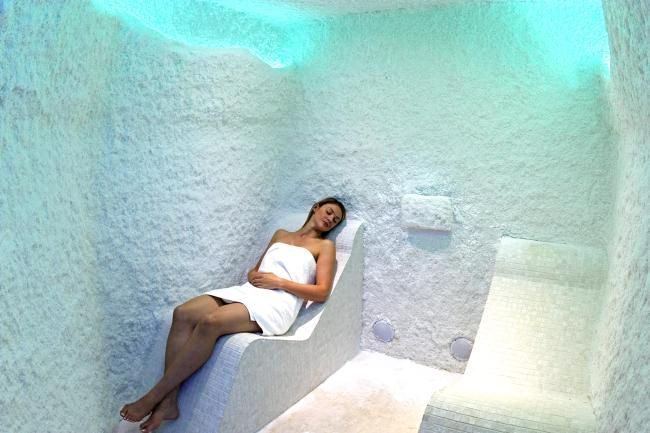
When preparing for your first Halotherapy session, it’s advisable to wear comfortable clothing that allows your skin to be exposed to the salt air, enhancing its benefits. Most facilities provide footwear to protect against the salt on the floor, and you may be asked to wear a hairnet. The environment of a Halotherapy chamber is designed to mimic the microclimate of a natural salt cave, with walls and floors covered in salt crystals and a halogenerator to disperse the salt particles into the air.
During a session, which typically lasts 45 minutes, you’ll likely sit in a recliner or on a bench, breathing normally as the halogenerator disperses microscopic salt particles into the room. The atmosphere is serene, often with dim lighting and soft music, creating a tranquil environment for relaxation and meditation. Some individuals may taste the salt on their lips or feel a slight tickle in their throat, which is normal. Many report feeling more relaxed and breathing easier by the end of the session, with some effects noticeable immediately and others building over time with regular sessions.
Cost and Accessibility

The cost of Halotherapy sessions can vary widely depending on the location, facility, and length of the session. Generally, single sessions range from $25 to $70, with packages and memberships available for those looking to commit to regular treatments, which can offer savings over time. Some health insurance plans may cover Halotherapy under alternative therapy benefits, so it’s worth checking with your provider.
Halotherapy is becoming more accessible, with facilities available in many urban and suburban areas. These include standalone salt therapy spas, wellness centers that offer a range of treatments, and even some fitness centers and yoga studios. For those interested in experiencing Halotherapy without visiting a spa, home halogenerators, and salt lamps are also available, though the experience and effectiveness can differ from a professional setting.
Comparing Halotherapy to Other Wellness Treatments

Halotherapy is often compared to other wellness treatments such as aromatherapy, acupuncture, and meditation, each offering unique benefits for various conditions. Unlike aromatherapy, which uses essential oils to improve health and well-being, Halotherapy relies on salt’s natural properties. It’s a physical rather than olfactory experience, with a focus on respiratory and skin health. Compared to acupuncture, which involves the insertion of needles to stimulate specific points on the body, Halotherapy is completely non-invasive and requires no physical contact.
While each treatment has its place in a holistic wellness routine, Halotherapy stands out for its simplicity and the broad range of conditions it can address. It complements other practices well, offering a passive yet effective treatment option that enhances respiratory function, skin health, and overall relaxation. For those seeking an alternative to more invasive treatments or looking to supplement their wellness regimen, Halotherapy presents a compelling option with its unique blend of benefits and ease of use.
Uncover a New Path to Wellness
Halotherapy invites you to tap into the ancient wisdom of salt for modern health benefits, offering a serene escape that nurtures both body and mind. By integrating this natural therapy into your wellness routine, you can explore a holistic path to improved respiratory function, skin health, and stress reduction. If you’re curious about how Halotherapy can enhance your well-being, consult with your healthcare provider and consider taking the first step towards embracing this tranquil, healing practice. Let the journey to rejuvenation and health begin with Halotherapy.