

In today’s fast-paced world, meditation emerges as a beacon of tranquility, offering a refuge for those seeking solace from the relentless demands of daily life. This ancient practice, rooted in centuries-old traditions, has transcended cultural and geographical boundaries to become a universally acknowledged tool for enhancing mental well-being. With benefits ranging from reduced stress and anxiety to improved concentration and emotional health, meditation provides a pathway to deeper self-awareness and inner peace. This article demystifies how to meditate, guiding beginners to develop a fulfilling meditation practice. Whether you’re looking to find a moment of calm in a turbulent day or embark on a journey of personal growth, meditation offers a versatile and accessible solution.
Understanding Meditation

Meditation is often shrouded in mystery and perceived as reserved for the enlightened few. Yet, at its core, meditation is a simple and accessible exercise in mindfulness and focus. It involves directing attention to a single reference point—the breath, a mantra, or an object. Concentrating draws the mind from distractions, leading to relaxation and heightened awareness. Various forms of meditation exist, each with its unique approach but a shared objective: to foster a sense of peace and mental clarity.
Despite its ancient origins, meditation remains profoundly relevant today. Modern research underscores its numerous health benefits, including stress reduction, improved mental health, and enhanced cognitive function. These findings have propelled meditation into mainstream wellness practices, making it a valuable resource for people from all walks of life. By breaking down the barriers of misconception, this section aims to make meditation approachable, emphasizing that anyone can meditate regardless of their background or beliefs.
Preparing for Meditation

Embarking on a meditation journey begins with creating a conducive environment. A quiet, comfortable space free from interruptions can significantly enhance the meditation experience. This doesn’t necessitate a dedicated meditation room; a tranquil corner in one’s home will suffice. Comfortable seating is crucial, allowing the body to relax without falling asleep. The goal is to minimize physical discomfort, enabling the practitioner to focus on their meditation.
Equally important is choosing the right time for meditation. While any time can be beneficial, many find that meditating during the morning or evening helps establish a routine. Consistency is key, reinforcing the habit and integrating meditation into daily life. For those just beginning, setting modest goals—such as meditating for a few minutes each day—can lay the foundation for a lasting practice. This section underscores the importance of preparation in meditation, advocating for a pragmatic approach to integrating meditation into busy schedules.
Basic Meditation Techniques
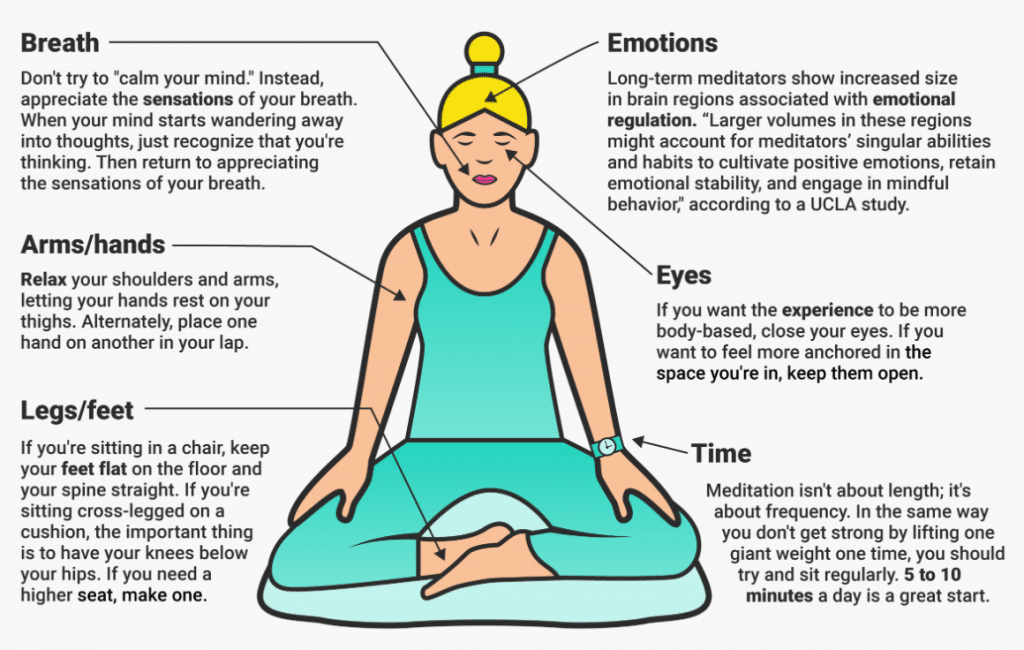
The essence of meditation lies in its simplicity. One fundamental technique is focusing on the breath. This involves observing the natural rhythm of breathing, noting the rise and fall of the chest, or the sensation of air passing through the nostrils. Such focused attention helps anchor the mind, steering it away from distracting thoughts and toward the present moment.
Mindfulness meditation expands on this concept, encouraging practitioners to observe their thoughts and emotions without judgment. This technique fosters an attitude of acceptance, allowing individuals to recognize their mental patterns without becoming entangled in them. Returning one’s focus to the breath or a chosen object is a valuable tool in cultivating mindfulness and enhancing one’s capacity for concentration and emotional regulation.
Developing a Regular Practice

The journey to incorporating meditation into daily life is as rewarding as it is challenging. Building a consistent practice requires patience and perseverance. It’s common for beginners to encounter obstacles, such as finding time for meditation or dealing with distractions. However, these challenges offer valuable lessons in commitment and adaptability. Individuals can seamlessly integrate meditation into their routines by starting with short, manageable sessions and gradually increasing their duration.
Addressing the mental hurdles is equally crucial. Many newcomers experience frustration when their minds wander during meditation. Recognizing this is a natural part of the learning process can alleviate self-criticism. The act of gently redirecting one’s attention back to the meditation focus is a practice of mindfulness. This section aims to empower individuals with strategies to overcome common barriers, emphasizing that the benefits of meditation unfold over time.
Deepening Your Meditation Practice
As practitioners become more comfortable with meditation, they may seek to deepen their experience. Exploring different meditation styles, such as loving-kindness meditation or guided visualizations, can enrich one’s practice. These techniques offer variety and cater to different needs and preferences, allowing individuals to discover what resonates most with them.
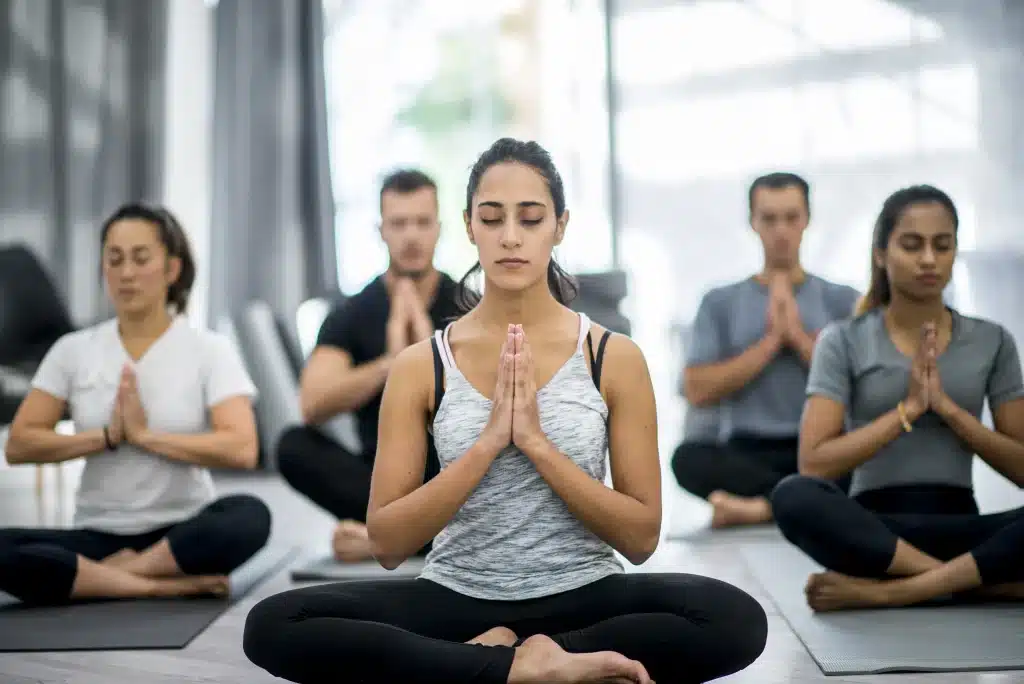
Another avenue for deepening one’s practice is participating in meditation retreats or group sessions. These settings provide a supportive environment for learning, sharing, and connecting with others on a similar path. They offer a unique opportunity to immerse oneself in meditation, away from the distractions of everyday life, facilitating a deeper exploration of mindfulness and self-awareness. Engaging with a community of meditators can also provide motivation and insight, fostering a sense of belonging and shared experience.
Meditation and Technology
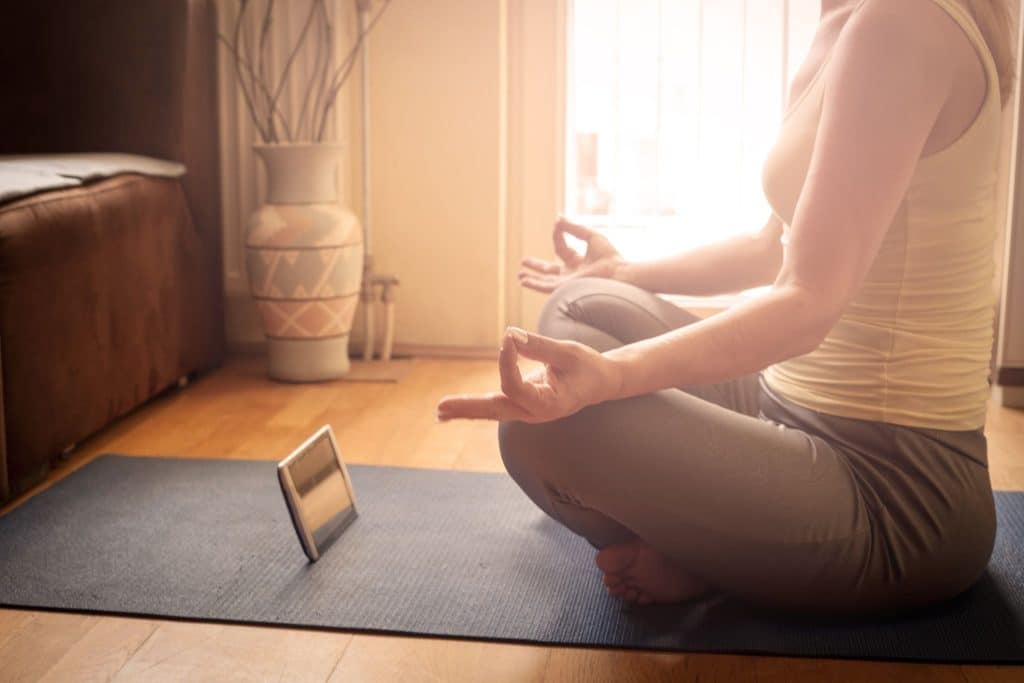
In the digital age, technology is pivotal in facilitating meditation practices. Numerous apps and online platforms offer guided meditations, instructional videos, and personalized meditation plans. These resources make meditation more accessible, especially for beginners who may appreciate the guidance and structure they provide.
However, reliance on technology for meditation also raises concerns about distraction and the authenticity of the experience. Practitioners must be mindful of using digital aids, ensuring these tools enhance rather than detract from the meditative experience. Recommendations for high-quality meditation apps can be a starting point for those looking to incorporate technology into their practice, guiding them toward resources that align with their meditation goals and preferences.
Maintaining Motivation and Overcoming Obstacles
Sustaining a meditation practice over time can be challenging as initial enthusiasm wanes or life’s demands interfere. Finding ways to keep the practice engaging is crucial for long-term adherence. This may involve setting new meditation goals, exploring different meditation techniques, or incorporating mindfulness into new aspects of one’s life.
Overcoming obstacles such as lack of time, waning motivation, or difficulty concentrating requires a combination of self-compassion and strategic planning. Recognizing that setbacks are part of the journey helps maintain a positive outlook. Practitioners are encouraged to be flexible in their approach, adapting their practice to fit changing circumstances and needs. Celebrating small achievements and staying connected with a supportive community can bolster motivation and resilience.
Expanding Your Meditation Practice
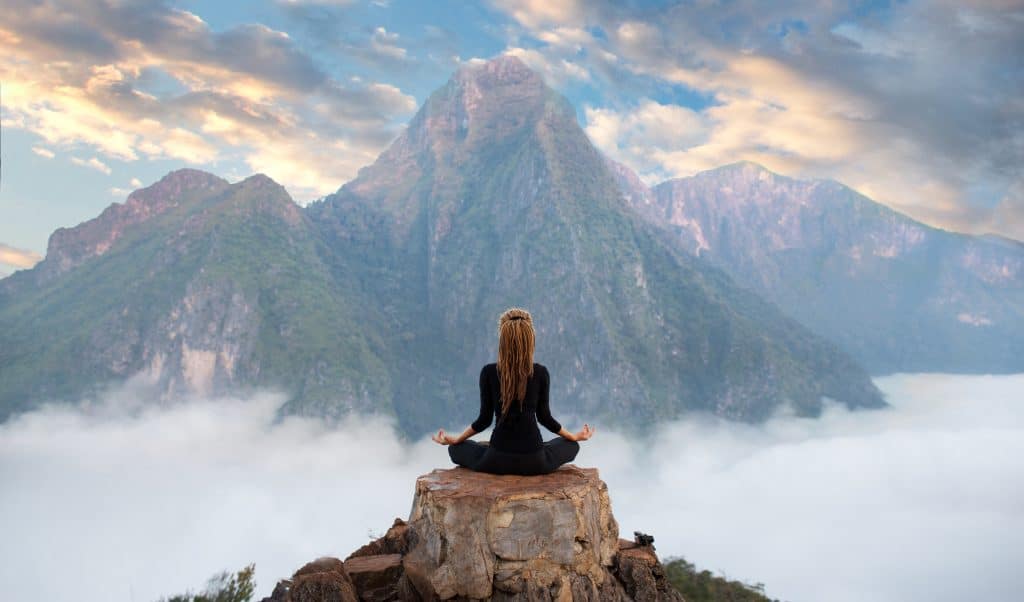
As individuals deepen their meditation practice, they may seek to explore more advanced techniques or philosophical aspects of mindfulness. Engaging with the broader philosophical or spiritual dimensions of meditation can enrich the practice, offering deeper insights into the nature of mind and reality. This exploration might include reading seminal texts, attending workshops, or seeking mentorship from experienced practitioners.
Expanding one’s practice is also about recognizing the transformative potential of meditation beyond personal benefits. It involves understanding how heightened awareness and compassion cultivated through meditation can positively impact relationships, work, and community engagement. This broader perspective encourages a holistic approach to meditation, viewing it as a tool for fostering not only individual well-being but also contributing to the well-being of others.
The Bottom Line
Meditation, with its profound simplicity and accessibility, offers a path to inner peace and mental clarity in our complex world. This article has traversed the basics of starting a meditation practice, addressing common challenges, and offering practical advice for deepening and maintaining a mindful approach to life. The journey of meditation is one of continuous discovery and growth, where each moment of mindfulness contributes to a greater sense of harmony and purpose.