

Bike riding seamlessly intertwines with many facets of daily life, from childhood adventures to daily commutes. Its global appeal often centers on its blend of convenience and exhilaration. Yet, beyond its immediate joys, bike riding unveils a plethora of health benefits. These aren’t solely confined to physical wellness; they touch upon mental and emotional health too. As an activity, cycling thus emerges not just as a means of transport or leisure but as a holistic exercise. For individuals across ages and lifestyles, it promises a path to a healthier self.
Enhances Cardiovascular Health

Bike riding has long been celebrated for its cardiovascular advantages. Every time individuals hop onto their bikes and pedal away, they boost their heart rate, which in turn improves the functionality of the heart, lungs, and blood vessels. This rhythmic activity ensures a consistent flow of blood, helping to maintain arterial elasticity and prevent the build-up of fatty compounds.
Numerous studies have been conducted to explore the relationship between cycling and heart health. The findings predominantly echo the sentiment that those who cycle regularly tend to have a lower risk of developing cardiovascular diseases compared to non-cyclists. Beyond just prevention, cycling has also been associated with aiding recovery for individuals with certain heart ailments, making it a recommended activity by many health professionals.
Strengthens Muscles And Improves Joint Mobility

Engaging in cycling exercises various muscle groups. From the core muscles stabilizing the body to the powerful glutes and hamstrings propelling the bike forward, each pedal’s turn is a testament to muscular coordination and strength. Even the arms and shoulders get their share of workout, ensuring a balanced muscular development that isn’t limited to the legs.
Joint health is another beneficiary of regular bike riding. The cyclical motion of pedaling provides the knees, ankles, and hip joints a gentle workout, enhancing their range of motion without the jarring impact often experienced in high-impact sports. This fluid movement not only promotes joint mobility but also aids in the prevention of arthritic conditions, ensuring a pain-free and flexible future for regular riders.
Aids In Weight Management

Cycling stands out as a potent tool in the arsenal against unwanted weight gain. Given its intensity variations—from leisurely rides to uphill challenges—it can burn a significant number of calories. A person cycling at a moderate pace can expend anywhere from 400 to 600 calories in an hour. Coupled with a balanced diet, regular cycling sessions can play an instrumental role in achieving and maintaining a healthy weight.
Additionally, cycling does more than just burn calories during the act. It helps in building lean muscle mass, which, in turn, boosts the resting metabolic rate. This means that even when not cycling, the body continues to burn calories at an elevated rate due to the increased muscle mass, paving the way for effective long-term weight management.
Reduces Stress And Improves Mood

Physical activities are known for stimulating the release of endorphins, the body’s natural mood elevators. Cycling, with its blend of outdoor exposure and physical exertion, can significantly increase endorphin production. Riders often report feeling euphoric or experiencing a “cyclist’s high” after a good ride, which can be attributed to this surge in feel-good hormones.
Moreover, cycling offers a unique therapeutic experience. The rhythmic pedal strokes and the chance to connect with nature or navigate urban landscapes provide a distraction from daily stresses. This mental break, combined with the physiological benefits of exercise, results in a potent recipe for mood enhancement and stress reduction.
Enhances Brain Health And Cognitive Function
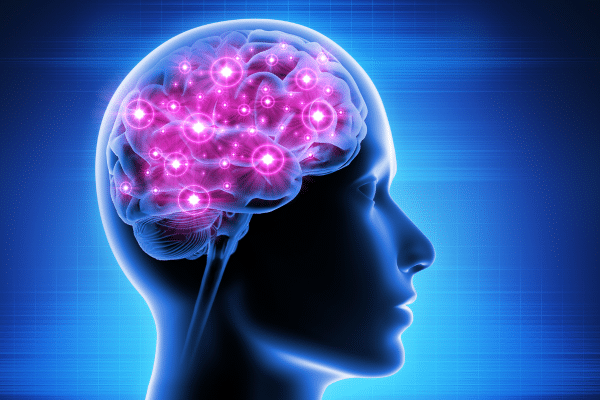
There’s more to cycling than just physical benefits; the brain reaps rewards too. Increased blood flow from the cardiovascular workout that cycling provides means more oxygen and nutrients reach the brain. This heightened blood flow aids in the generation of new brain cells, particularly in the hippocampus, a region closely associated with memory.
Research consistently suggests a link between regular physical activity and slowed cognitive decline. With cycling, the benefits are two-fold. Not only does the physical activity boost brain health, but navigating roads or trails also keeps the mind sharp, challenging it with real-time decisions and spatial awareness exercises, thereby enhancing overall cognitive function.
Boosts Immune System

Regular engagement in moderate physical activities such as cycling can significantly enhance the body’s immune function. The increase in blood flow and heart rate helps in the circulation of immune cells more efficiently throughout the body. These cells are quicker to detect and act against pathogens, reducing the chances of common illnesses like colds or the flu.
Furthermore, cycling assists in the expulsion of bacteria from the respiratory system. The deeper breaths taken during a ride aid in clearing the lungs and airways, which can be beneficial in reducing the risk of respiratory infections. Moreover, consistent physical activity is linked to a decrease in inflammation, further fortifying the body’s natural defenses.
Promotes Better Sleep

Physical exertion from cycling can lead to improvements in sleep quality. The body repairs and rejuvenates itself during sleep, and after a session of cycling, the body’s demand for restorative sleep increases. As a result, cyclists often find themselves falling asleep more quickly and experiencing deeper, more restful sleep cycles.
Moreover, outdoor cycling has an added benefit for sleep. Exposure to natural daylight helps regulate the body’s circadian rhythm, the internal clock that dictates sleep-wake patterns. Regular exposure to daylight during rides, especially in the morning, can help align this rhythm, resulting in more consistent and refreshing sleep patterns.
The Bottom Line
Bike riding is more than just a mode of transport or a leisurely pastime; it’s a gateway to myriad health benefits that cater to both the body and mind. By strengthening the heart, muscles, and joints, cycling lays a foundation for physical well-being. Its role in enhancing mood, cognitive function, and sleep quality speaks volumes of its mental health advantages. Moreover, the boost it provides to the immune system and weight management further underscores its comprehensive benefits. As urban landscapes increasingly embrace cycling infrastructure and nature trails beckon riders, it’s evident that cycling is not just a trend but a lifestyle choice with enduring health dividends. Embracing this activity promises a journey towards a healthier, happier future.