Contents
Dry Goods – Beyond Mere Pantry Supplies
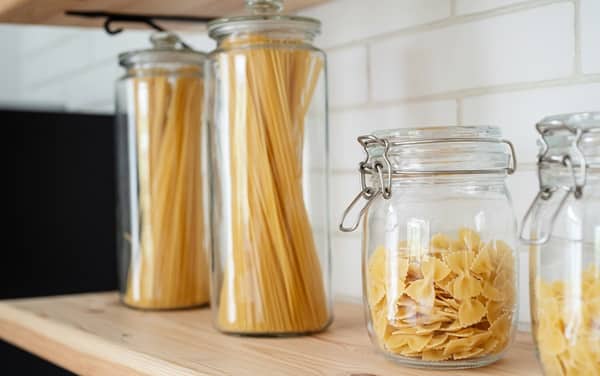
Pasta, rice, and legumes are often relegated to the back of the pantry, forgotten until a cooking emergency arises. These dry goods have a naturally long shelf life due to their low moisture content, which makes them less susceptible to bacterial growth. Even if they’re past their printed date, these staples can still be perfectly safe and tasty to eat, especially if they’ve been stored in a cool, dry place.
Storage plays a pivotal role in the longevity of dry goods. Using airtight containers can protect these foods from moisture and pests, further extending their shelf life. If you notice any signs of moisture, mold, or off-odors, it’s best to discard the item. Otherwise, these pantry staples can be your go-to ingredients for a last-minute meal, even if they’re past their prime.
Frozen Foods – The Cold, Hard Facts
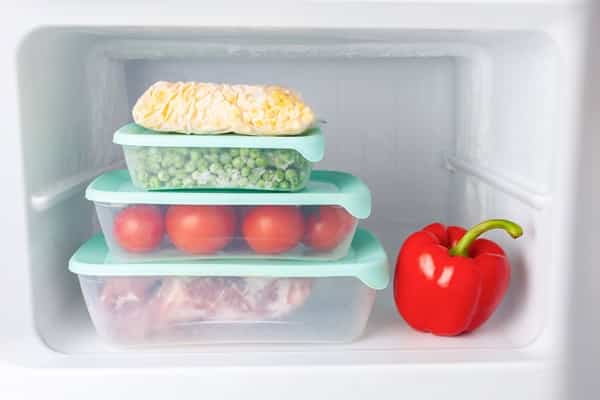
Freezing is one of the most effective methods for preserving food. The low temperatures slow down bacterial growth, making it a safe option for long-term storage. From frozen vegetables to meat, many items can last for months or even years when stored in a freezer. However, it’s essential to note that while freezing can preserve food safety, it may not maintain the same level of quality or taste over extended periods.
Proper thawing and cooking are crucial steps when dealing with frozen foods. Always thaw items in the refrigerator, cold water, or the microwave, and never at room temperature, as this can encourage bacterial growth. Once thawed, cook the food to the appropriate internal temperature to ensure it’s safe to eat. Following these guidelines can help you make the most of your frozen food stash, even if some items are past their best-by dates.
Bread And Baked Goods – More Than A Moldy End
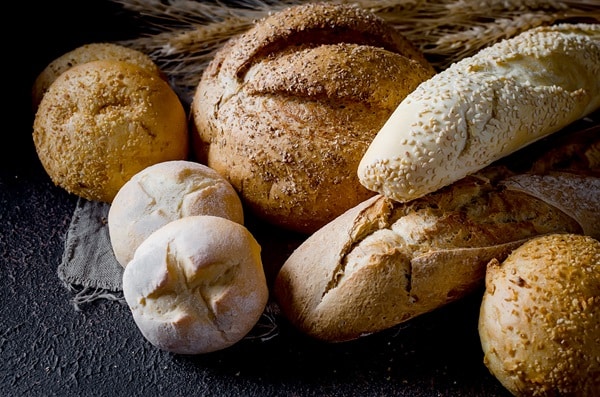
Bread, muffins, and other baked goods might seem like they spoil quickly, but that’s not always the case. Many commercial baked goods contain preservatives that extend their shelf life. Even without these additives, proper storage can keep bread fresh for longer than you might expect. For example, storing bread in a cool, dry place or even the freezer can significantly extend its life.
However, it’s essential to be vigilant for signs of spoilage, such as mold or off-odors. Unlike some other foods, bread that shows signs of mold should be discarded entirely, as the mold’s roots can penetrate deeper into the loaf than what’s visible on the surface. But if your bread appears and smells fine, it’s likely still good to eat, even if it’s a bit past its sell-by date. Just remember to store it properly to maximize its lifespan.
Fruits And Veggies – Nature’s Candy, With A Shelf Life
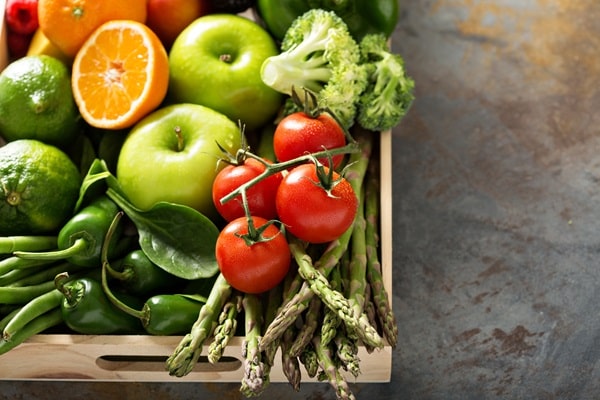
Fruits and vegetables bring vibrant colors and essential nutrients to your plate, but their shelf life can vary dramatically. While some fruits like berries and grapes are highly perishable, others like apples and oranges can last for weeks when stored correctly. Vegetables, too, have a range of lifespans; leafy greens may wilt quickly, but root vegetables like potatoes and carrots can last for months in the right conditions.
Proper storage is the key to extending the life of fruits and vegetables. For example, storing apples in the fridge can keep them crisp for weeks, while tomatoes should be kept at room temperature until ripe. If you notice any signs of spoilage like mold or off-odors, it’s best to discard the item. However, small brown spots on fruits or slight wilting in vegetables doesn’t necessarily mean they’re unfit for consumption. A quick trim or peel can often salvage these items, reducing waste and saving you money.
Make The Most Of Your Food—Mindfully
In a world where food waste is a growing concern, understanding the true shelf life of various food items is more important than ever. This article has aimed to shed light on the foods that are generally safe to consume past their expiration dates, from dairy and canned goods to dry and frozen foods. But remember, these guidelines are just that—guidelines. Always use your best judgment, consider multiple factors like smell and appearance, and when in doubt, consult trusted sources. Here’s to making more informed, less wasteful choices in your food consumption journey.