

Social interactions often involve subtle cues that reveal how someone is feeling, even when nothing is said directly. Discomfort can appear in small, easily overlooked ways that may be mistaken for distraction or personality differences. Recognizing these signals requires attention to patterns in behavior, communication, and physical presence. While no single action confirms how someone feels, a combination of signs can provide clearer insight into their level of ease. Understanding these indicators can help improve communication, reduce misunderstandings, and create more respectful interactions in both personal and professional environments.
Changes in Body Language

Body language is often one of the earliest and most noticeable indicators that someone may be feeling uncomfortable. When a person feels at ease, their posture tends to be open and relaxed, with natural movements that flow easily throughout the interaction. In contrast, discomfort can lead to more closed-off positions, such as crossed arms, hunched shoulders, or a body that subtly leans away. These physical cues can appear almost immediately, even before a person speaks, making them an important signal to observe in social situations.
In addition to posture, smaller physical details can reinforce signs of unease. A person may appear stiff, with limited gestures or movements that seem forced rather than natural. They might also orient their body away from the conversation, signaling a desire to disengage without explicitly stating it. Over time, these behaviors can become more pronounced if the discomfort continues. Observing how someone positions themselves and how their body responds throughout an interaction can provide valuable insight into their comfort level.
Lack of Eye Contact

Eye contact plays a significant role in communication, often reflecting attention, confidence, and comfort within a conversation. When someone feels uneasy, maintaining consistent eye contact can become difficult, leading them to frequently look away or focus on other things in their environment. This avoidance may not always be obvious at first, but repeated patterns of looking down, glancing around, or shifting focus can indicate that the person is not fully comfortable engaging.
It is important to recognize that eye contact varies across cultures and individuals, meaning that limited eye contact alone does not always signal discomfort. However, when it is paired with other behaviors, such as nervous movements or minimal responses, it can become a stronger indicator. A person who alternates between brief eye contact and quick glances away may be experiencing uncertainty or unease. Paying attention to consistency and context helps distinguish between natural communication differences and signs of discomfort.
Short or Minimal Responses

Changes in verbal communication are another common sign that someone may be uncomfortable in a situation. When people feel relaxed and engaged, they tend to contribute more freely to conversations, offering detailed responses and asking questions in return. In contrast, discomfort often leads to shorter, more limited replies, such as one-word answers or statements that do not invite further discussion. This shift can create a noticeable imbalance in the interaction, where one person carries most of the conversation.
Beyond the length of responses, the tone and timing of communication can also reveal discomfort. Hesitation before answering, longer pauses, or a lack of enthusiasm in delivery can indicate that the person is unsure or uneasy. They may avoid expanding on topics or steer clear of deeper engagement, even when given the opportunity. When these patterns persist, they can signal that the individual is not fully comfortable participating in the interaction, making it important to recognize and respond appropriately.
Physical Distance and Positioning

Physical distance is another clear indicator of how comfortable someone feels in an interaction. When people are at ease, they tend to maintain a natural conversational distance that allows for easy communication without appearing guarded. However, discomfort can cause someone to subtly increase the space between themselves and others, even if the movement is gradual or barely noticeable. They may take small steps backward, shift their weight away, or reposition themselves to create more distance without drawing attention to it.
Positioning also plays an important role in how discomfort is expressed. A person might angle their body toward an exit, doorway, or open space, signaling a readiness to leave the situation. In some cases, objects such as bags, chairs, or tables may be used as barriers, creating a sense of separation. These adjustments often happen unconsciously, making them reliable indicators when observed alongside other behaviors. Paying attention to how someone manages space can provide useful insight into their level of comfort.
Nervous Habits and Micro Behaviors
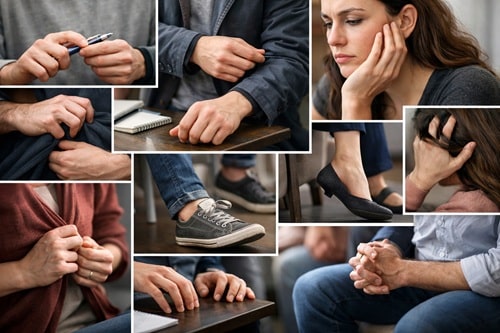
Nervous habits are often subtle but consistent signs that someone may be feeling uneasy. These behaviors can include fidgeting with hands, adjusting clothing repeatedly, or handling nearby objects without a clear purpose. While these actions may seem minor on their own, they often occur more frequently when a person is under stress or experiencing discomfort. Because they are usually unconscious, these habits can reveal feelings that the person may not openly express.
Micro behaviors, such as touching the face, neck, or hair, can also indicate tension in a situation. Other signs include tapping feet, shifting weight from side to side, or making repetitive movements that suggest restlessness. These patterns tend to increase in frequency as discomfort grows, making them easier to identify over time. Observing these small, repeated actions can help provide a clearer understanding of how someone is feeling beneath the surface.
Forced Smiles and Facial Expressions

Facial expressions can offer important clues about a person’s emotional state, particularly when discomfort is present. A genuine smile typically involves both the mouth and the eyes, creating a natural and relaxed appearance. In contrast, a forced smile may appear brief, uneven, or limited to the mouth, without the accompanying changes around the eyes. This type of expression can indicate that someone is trying to appear polite or agreeable despite feeling uncomfortable.
Other facial cues can reinforce these signals and provide additional context. Tight lips, a clenched jaw, or visible tension in the face can suggest unease, especially when they persist throughout the interaction. Expressions may also change quickly when attention shifts, revealing a contrast between outward behavior and internal feelings. Recognizing these patterns over time, rather than focusing on a single moment, allows for a more accurate interpretation of someone’s comfort level.
Attempts to End or Avoid Interaction

One of the more noticeable signs of discomfort is when someone begins to look for ways to end an interaction. This can happen through both verbal and nonverbal cues that suggest a desire to leave without directly stating it. A person might frequently check the time, glance at their phone, or look around as if searching for an exit or distraction. These behaviors often indicate that their attention is no longer fully engaged in the conversation and that they may be feeling uneasy or overwhelmed by the situation.
Verbal cues can further reinforce this intention, even when they are expressed politely. Statements such as mentioning other responsibilities, needing to go somewhere, or suggesting to continue the conversation later can signal a desire to disengage. In some cases, the person may begin to shorten their responses even more or avoid introducing new topics altogether. Over time, avoidance may extend beyond a single interaction, including canceling plans or limiting future communication. Recognizing these patterns can help identify when someone is uncomfortable and may benefit from space.
Understanding Social Cues More Clearly
Recognizing when someone is uncomfortable requires paying attention to patterns rather than relying on a single behavior. Body language, communication style, and subtle habits often work together to signal how a person is feeling in a given moment. Context also plays an important role, as individual personalities and cultural differences can influence how these signs appear. By observing these cues with awareness, it becomes easier to respond in a way that respects personal boundaries. Adjusting tone, giving space, or shifting the conversation can help create a more comfortable environment for everyone involved and improve the overall quality of interactions.