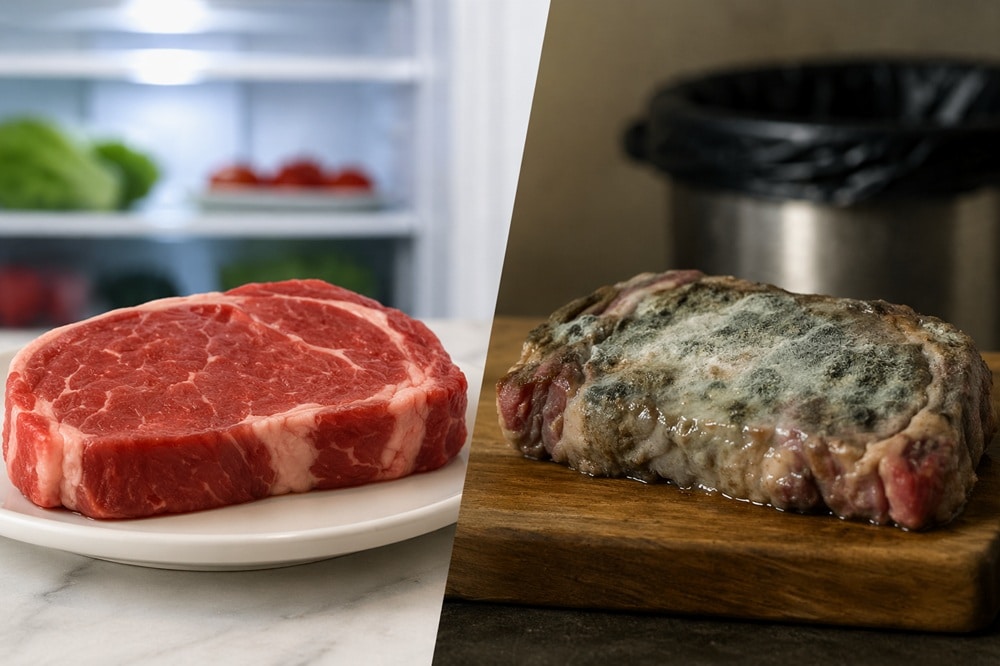

Ever bitten into a juicy burger and felt guilty afterward? That guilt might be more justified than you think, especially when considering the impact of certain foods on inflammation. Inflammation is the body’s natural response to injury or infection, but when it becomes chronic, it can lead to serious health issues like heart disease, diabetes, and arthritis. This article aims to shed light on the types of foods that can worsen inflammation, arming you with the knowledge to make healthier choices. From processed meats to sugary delights, the list may surprise you. So, let’s dive in and explore the foods you might want to think twice about.
Understanding The Mechanics Of Inflammation

Inflammation is more than just a buzzword; it’s a complex biological process that occurs in the body. When you cut your finger or catch a cold, inflammation is the body’s way of signaling the immune system to heal and repair damaged tissue, as well as defend against viruses and bacteria. However, not all inflammation is beneficial. Chronic inflammation, which persists over an extended period, can contribute to various diseases, including heart disease, diabetes, and even cancer.
The foods you eat can play a significant role in how your body manages inflammation. While some foods have anti-inflammatory properties, like turmeric and certain types of fish rich in omega-3 fatty acids, others can exacerbate the condition. These inflammation-promoting foods often contain specific types of fats, additives, and chemicals that trigger inflammatory responses. Knowing what these foods are can be the first step in reducing inflammation and improving your overall health.
Sugary Foods And Beverages

Sugar is a sweet temptation that many find hard to resist. However, the sweetness comes at a cost. High sugar consumption has been linked to increased levels of inflammation in the body. When you consume sugary foods or drinks, your blood sugar levels spike, leading to the release of pro-inflammatory messengers called cytokines.
Studies have shown a direct correlation between high sugar intake and inflammation, which can lead to more severe health issues like diabetes and heart disease. The next time you reach for that soda or candy bar, consider opting for healthier alternatives. Fresh fruits, herbal teas, or even just a glass of water can satisfy your craving without the inflammatory backlash.
Processed Meats

Processed meats like sausages, hot dogs, and deli meats are often a staple in quick and convenient meals. However, these foods are packed with additives, preservatives, and high levels of sodium, all of which are known to contribute to inflammation. The saturated fats in these meats are also a culprit, triggering inflammatory pathways in the body.
If you’re looking to reduce inflammation, it might be time to rethink your protein sources. Lean meats like chicken and turkey or plant-based options like tofu and legumes are excellent alternatives. These options are not only lower in saturated fats but also free from the additives and preservatives commonly found in processed meats.
Fried Foods

The crispy texture and rich flavor of fried foods can be irresistibly delicious, but they come with a health cost. Fried foods are high in trans fats, a type of fat that not only raises bad cholesterol levels but also promotes inflammation. The process of frying can also produce harmful compounds like acrylamide, which further exacerbate inflammatory conditions.
If you’re looking to cut down on inflammation, consider alternative cooking methods. Baking, grilling, or steaming your food can offer the taste and texture you crave without the inflammatory side effects. These methods are not only healthier but also versatile, allowing you to explore a variety of recipes that are both delicious and good for you.
Refined Carbohydrates

White bread, pasta, and pastries may be pantry staples, but they are also significant sources of refined carbohydrates. These foods are stripped of their natural fiber and nutrients, leaving behind simple carbohydrates that quickly convert to sugar in your body. This rapid conversion leads to spikes in blood sugar and insulin levels, creating an environment ripe for inflammation.
Switching to whole-grain alternatives can make a world of difference. Foods like whole-grain bread, brown rice, and quinoa are rich in fiber, which helps regulate blood sugar levels and reduces inflammation. These options are better for managing inflammation and provide a host of other health benefits, including improved digestion and a lower risk of chronic disease.
Dairy Products

While dairy products like milk, cheese, and yogurt are rich in essential nutrients like calcium and vitamin D, they can also be problematic for some people. Certain proteins in dairy, such as casein and whey, can trigger an inflammatory response, especially in those who are lactose intolerant or sensitive to dairy. Additionally, full-fat dairy products are high in saturated fats, which can also contribute to inflammation.
If dairy products seem to exacerbate your inflammation, there are plenty of non-dairy alternatives available. Almond milk, oat milk, and coconut yogurt are just a few options that can replace traditional dairy in your diet. These alternatives often come fortified with the same essential nutrients found in dairy, ensuring you don’t miss out on the health benefits while avoiding inflammation.
Artificial Sweeteners And Additives
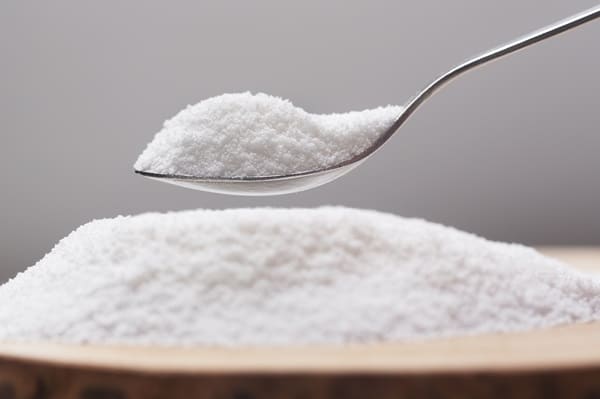
Artificial sweeteners like aspartame and additives like monosodium glutamate (MSG) are commonly used in a variety of foods and beverages to enhance flavor or extend shelf life. However, these substances can trigger inflammation in the body. Some studies suggest that artificial sweeteners may disrupt the gut microbiota, leading to increased inflammation, while additives like MSG can trigger inflammatory responses.
If you’re looking to reduce inflammation, consider using natural sweeteners like honey or maple syrup, and always check food labels for hidden additives. It is also best to opt for foods with simple, natural ingredients whenever possible. This not only helps in reducing inflammation but also promotes overall well-being by eliminating harmful substances from your diet.
Alcohol

Alcohol, especially when consumed in excess, can have a significant impact on inflammation levels in the body. It can burden the liver, leading to a buildup of toxins that trigger an inflammatory response. Moreover, excessive alcohol consumption can irritate the digestive system, further contributing to inflammation and even leading to more severe conditions like liver disease.
Moderation is key when it comes to alcohol consumption. If you’re concerned about inflammation, consider limiting your intake or opting for beverages that are lower in alcohol content. Better yet, there are numerous non-alcoholic alternatives that are both delicious and inflammation-friendly, such as herbal teas and infused waters.
Ensure Your Inflammation Stays In Check
Navigating the world of inflammatory foods can feel like walking through a nutritional minefield. But now that you’re equipped with valuable insights, making healthier choices doesn’t have to be a game of chance. While this guide serves as a starting point, your journey towards a less inflammatory lifestyle is uniquely yours. Don’t hesitate to seek professional medical advice for a tailored approach to managing inflammation. After all, knowledge is power, and in this case, it’s the power to live a healthier, happier life.