

Take control of your high blood pressure through the transformative power of exercise. Often referred to as the “silent killer,” high blood pressure can be managed effectively without solely relying on medication. This article aims to guide you through a selection of exercises specifically designed to help lower your blood pressure. From the simple act of walking to more vigorous activities like cycling, you’ll learn how to wield exercise as a tool for better cardiovascular health. So, let’s get started on this journey toward a healthier you.
Why Exercise Matters For Blood Pressure
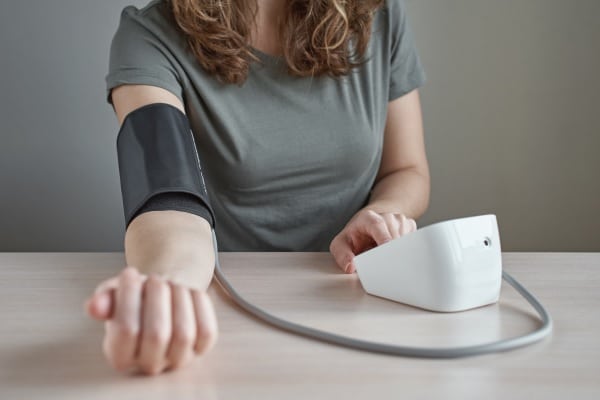
Exercise isn’t just about building muscles or losing weight; it’s a cornerstone for maintaining good cardiovascular health. When it comes to high blood pressure, the right kind of physical activity can make a significant difference. Exercise helps to improve the efficiency of your heart, enabling it to pump blood using less effort. This, in turn, reduces the force on your arteries, leading to lower blood pressure.
Understanding the relationship between exercise and blood pressure is crucial for selecting the right activities. Not all exercises are created equal; some may even be risky for those with high blood pressure. Therefore, it’s essential to know which exercises can offer the most benefits with the least amount of risk. This article will delve into these specifics, providing you with a roadmap for a healthier heart.
Consult Your Doctor First

Before lacing up your sneakers and hitting the gym, it’s imperative to consult your healthcare provider. High blood pressure can be influenced by various factors, including age, weight, and existing medical conditions. A thorough medical evaluation will help tailor an exercise regimen that’s both safe and effective for you.
Your doctor may recommend tests like an electrocardiogram or a stress test to assess your heart’s condition. Based on the results, adjustments can be made to your exercise routine to ensure it aligns with your medical needs. Remember, the goal is to lower your blood pressure safely, and professional guidance is the first step in that direction. With that being said, let’s take a look at the types of exercises that are beneficial for managing high blood pressure.
Walking Your Way To Lower Blood Pressure

Walking is often underestimated, but it’s one of the most accessible and effective exercises for lowering blood pressure. The beauty of walking lies in its simplicity; you don’t need any special equipment or a gym membership. All you need is a good pair of shoes and the willingness to move. As you walk, your heart pumps more efficiently, which helps to lower the pressure in your arteries.
To reap the maximum benefits, aim for at least 30 minutes of brisk walking most days of the week. You can break this down into shorter sessions if that’s more manageable. The key is consistency. Over time, this simple activity can lead to significant improvements in your blood pressure and overall cardiovascular health.
Swimming: The Full-Body Workout
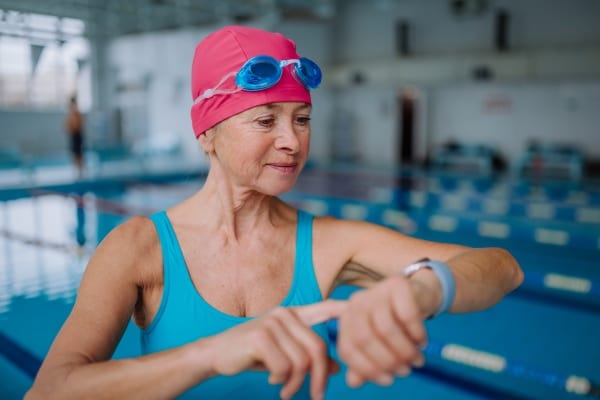
Swimming stands out as an excellent exercise for those looking to lower their blood pressure. The buoyancy of water reduces the impact on your joints, making it an excellent option for people of all ages and fitness levels. As you swim, your heart and lungs work in tandem to circulate blood more efficiently, leading to lower blood pressure over time.
If you’re new to swimming, start with shorter sessions and gradually increase your time in the pool. Aim for at least 20 to 30 minutes of moderate swimming most days of the week. Whether you prefer freestyle, backstroke, or any other swimming style, the key is to maintain a consistent pace that keeps your heart rate up but doesn’t leave you gasping for air.
Cycling: Pedal The Pressure Away
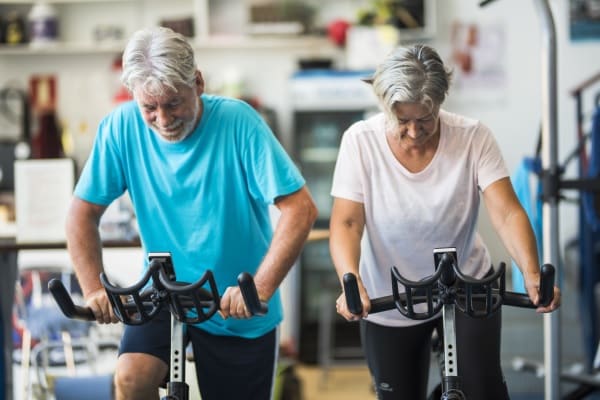
Cycling is another fantastic way to improve cardiovascular health and lower blood pressure. Whether you choose to ride a stationary bike indoors or hit the open road, cycling engages multiple muscle groups and gets your heart pumping. The rhythmic nature of cycling is particularly beneficial for your heart, as it helps to improve arterial flexibility, thereby reducing blood pressure.
For beginners, it’s advisable to start with a moderate pace and flat terrain. As you build stamina, you can introduce more challenging routes and increase the duration of your cycling sessions. Aim for at least 150 minutes of moderate-intensity cycling per week, spread across several days. This will not only help in lowering your blood pressure but also contribute to your overall well-being.
Yoga: The Power Of Stretch And Hold

Yoga offers a unique blend of physical postures, breathing exercises, and meditation that can be beneficial for lowering high blood pressure. While it may not be as cardio-intensive as swimming or cycling, yoga helps in reducing stress, a significant contributor to high blood pressure. Specific poses like the child’s pose and the cat-cow stretch can be particularly effective.
If you’re new to yoga, consider joining a class or following guided sessions online focusing on poses beneficial for blood pressure. It’s also crucial to listen to your body and avoid any poses that cause discomfort or strain. Incorporate yoga into your weekly routine, aiming for at least three sessions per week to experience a noticeable reduction in your blood pressure.
Strength Training: Lift Weights, Lower Pressure

Strength training, often overlooked in the context of blood pressure, can be a valuable addition to your exercise regimen. Lifting weights helps in building muscle mass, which in turn improves metabolic rate and insulin sensitivity. These factors can contribute to better blood pressure management. However, it’s essential to approach strength training with caution, especially if you’re dealing with high blood pressure.
Consult your healthcare provider for specific guidelines on weightlifting that’s appropriate for your condition. Start with lighter weights and focus on higher repetitions rather than lifting heavy. Aim for two to three strength training sessions per week, ensuring you give your muscles ample time to recover between workouts. By incorporating strength training into your routine, you’re taking a holistic approach to lowering your blood pressure.
HIIT: For the Adventurous

High-Intensity Interval Training, commonly known as HIIT, has gained immense popularity for its effectiveness in improving cardiovascular health. This form of exercise involves short bursts of intense activity followed by periods of rest or low-intensity exercise. The high-intensity phases get your heart rate up quickly, providing excellent cardiovascular benefits, including the potential for lowering blood pressure. However, HIIT may not be suitable for everyone, especially those with significantly high blood pressure or other heart-related issues.
Before incorporating HIIT into your routine, it’s crucial to consult your healthcare provider. If given the green light, start with shorter intervals and longer rest periods. As your fitness level improves, you can gradually increase the intensity and duration of the high-intensity phases. Aim for one or two HIIT sessions per week, combined with other forms of exercise like walking or swimming, for a well-rounded approach to lowering your blood pressure.
Take Control Of Your Blood Pressure
Armed with a variety of exercise options tailored to improve your blood pressure, the path to a healthier heart has never been clearer. It’s not just about medication or dietary changes; exercise is a pivotal component that you can control. Whether you’re a fan of the calming stretches of yoga or the adrenaline rush of HIIT, there’s a workout that suits your lifestyle. Consult your healthcare provider for personalized advice, and then commit to regular physical activity. Your heart, your health, and your overall well-being stand to gain immensely.